

 Latest editorial

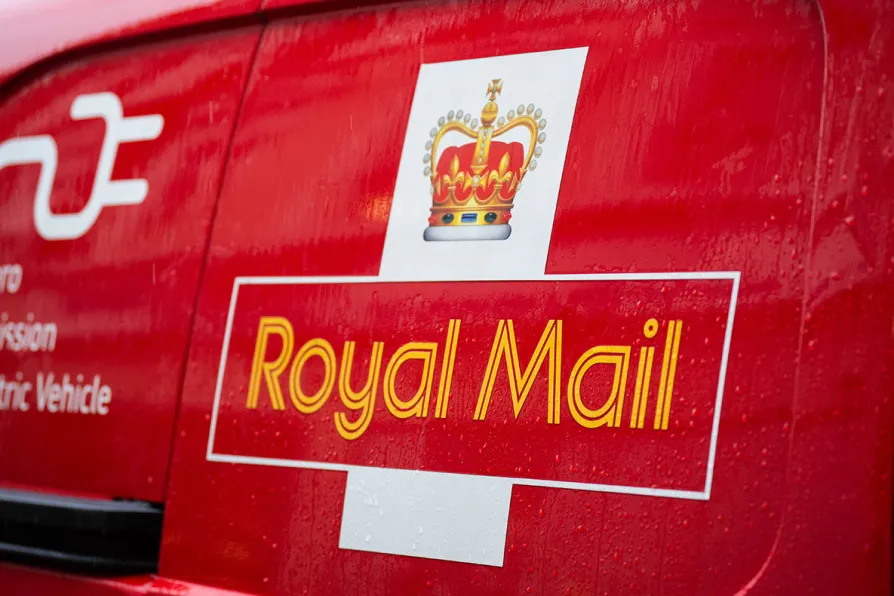 A Royal Mail logo on a van in Bayswater, west London






ROYAL MAIL has begun intensive talks with the Communications Workers Union (CWU) after failing to agree on how to roll out plans to scrap Saturday second-class letter deliveries nationwide.
Owner International Distribution Services (IDS), bought last June by Czech billionaire Daniel Kretinsky’s EP Group in a £3.6 billion deal, said that reforms had been delayed for more than six months amid ongoing disagreement with the union.
The group said the hold-up has increased cost pressures, as Royal Mail had expected the changes to already be in place.
IDS said it was taking steps to offset the extra costs, including “improved productivity through automation and reduction in discretionary spend.”
A month-long dispute resolution process with the CWU began on January 29, aimed at reaching an agreement on the workforce changes needed to implement the reforms.
Regulator Ofcom approved the plans last year, allowing Royal Mail to move to second-class letter deliveries every other weekday from July 28.
Under its Universal Service Obligation, the company must continue Monday to Saturday first-class deliveries and maintain the three-working-day delivery target for second-class post.
Royal Mail has piloted the second-class changes at 35 delivery offices but has yet to expand them across all 1,200 sites.
IDS said delays have added to costs, alongside an extra £120 million bill in 2025-26 linked to National Insurance contribution rises and previously agreed three-year pay deals.
A CWU spokesperson said: “It should be clear to all by now that for Royal Mail to become a healthy, successful institution capable of serving communities across Britain, the honouring and implementation of previous agreements on pay and job equalisation is a total necessity.”
The dispute emerged as IDS reported Christmas trading figures showing Royal Mail revenues rose 1.6 per cent to £2.4bn in the three months to December.
