
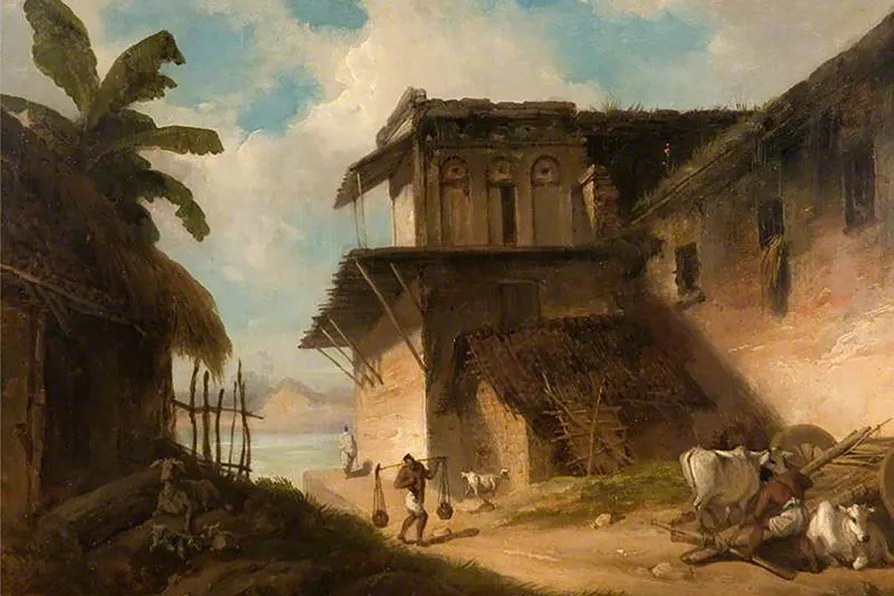
APURBA CHATTERJEE explains how British artists in India used the “picturesque” to reshape colonial landscapes and celebrate imperial power


Restless energy and inventiveness
CHRISTINE LINDEY is taken by Pablo Picasso’s output of 1932 – a curatorial choice that allows a full appreciation of his genius
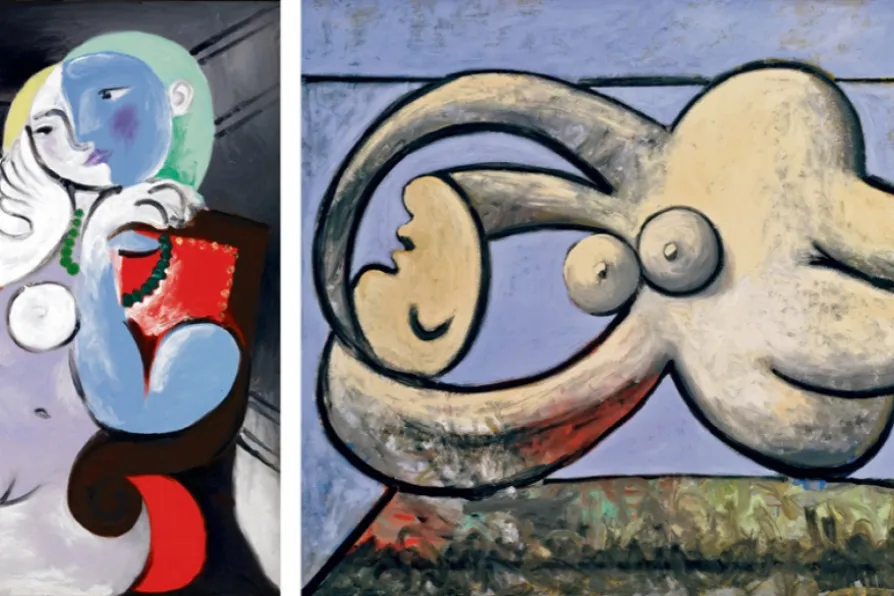
 Picasso's Nude Woman in a Red Armchair (left) and Reclining Nude (right)
PAUL DONOVAN welcomes a revival of Reginald Rose’s classic play that reminds us of the fundamental need for trials with juries
SIMON PARSONS applauds an exceptional performance of Wesker’s little-known play, by the same actor for whom it was written 45 years ago
ANDY HEDGECOCK and MARIA DUARTE review Late Fame, The Death of Robin Hood, Leviticus, and Gail Daughtry and the Celebrity Sex Pass
ANGUS REID recommends a uniquely accomplished documentary collage that contemplates our relation to the natural world
GORDON PARSONS enjoys Kant’s ‘mind-boggling’ theory of human reality: that we create the reality we experience





Picasso 1932 — Love, Fame, Tragedy
Tate Modern
London SW1
Despite its rather misleading title, erotic love is the overarching subject of Tate Modern’s Picasso 1932, Love, Fame, Tragedy. Indeed, when first shown in Paris this extensive exhibition was more explicitly titled Picasso 1932 — Année erotique (erotic year).
This emphasis is clear from the selection of works, their captions and the wall texts, which are reproduced in the accompanying free booklet, and in some large statements by Picasso painted on the walls like “Essentially there is only love. Whatever that may be.”
Picasso’s muse was his young and illicit lover Marie-Therese Walter, whose long-limbed body and Grecian profile had arrested his gaze in a Paris boulevard in 1927. His cliched, but prophetic, chat-up line was “I feel we could do great things together.” And they did. She was not yet 18, he was 45.

Similar stories
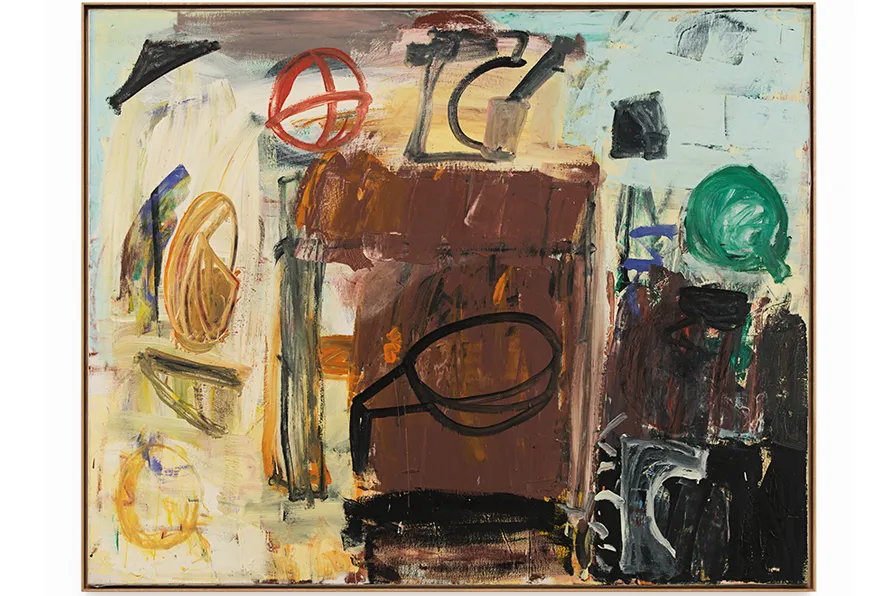
MIRANDA RICHMOND relishes the gloriously liberated art of Roy Oxlade, and traces his method back to the thinking of David Bomberg, his acknowledged teacher
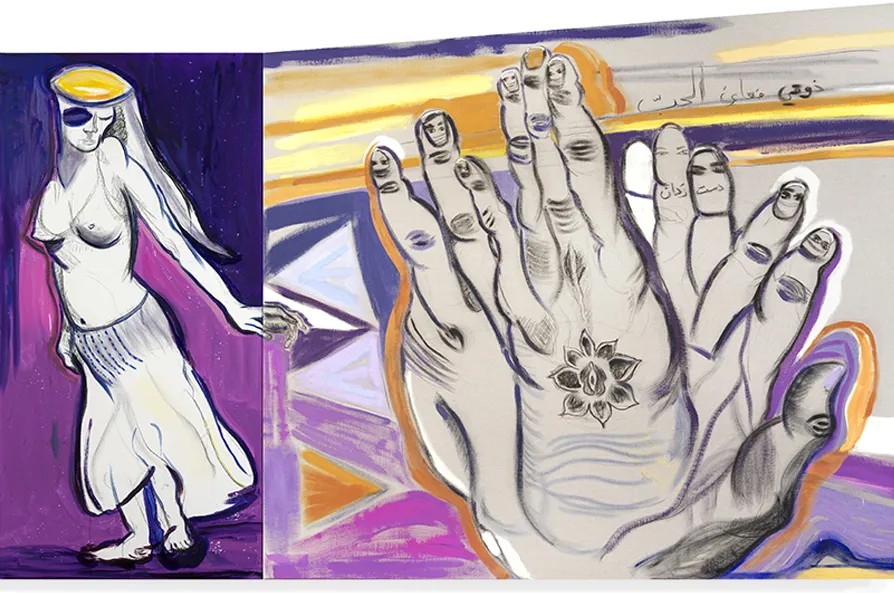
SIMON PARSONS applauds an artist who rescues and rehumanises stories of women, the victims of violence, from a feminist perspective
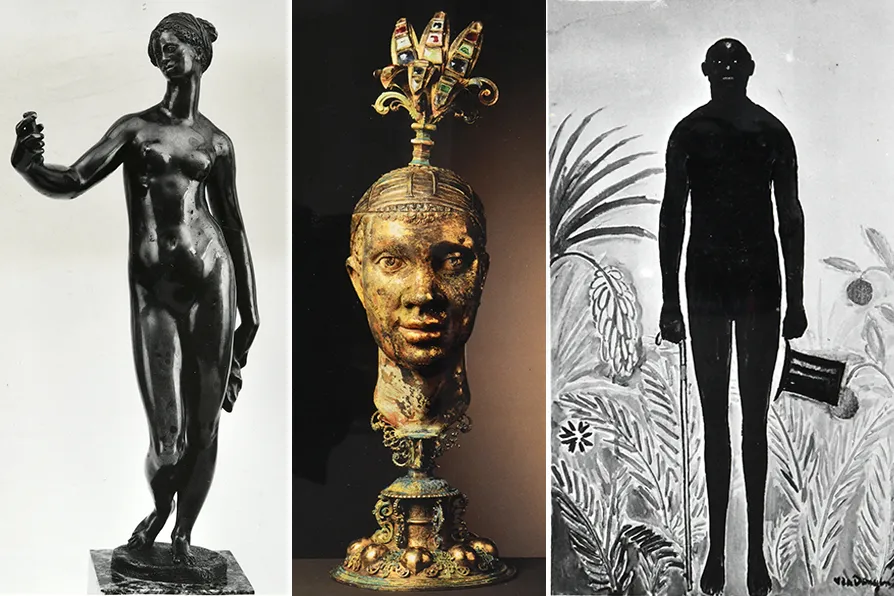
KEVIN DONNELLY accepts the invitation to think speculatively in contemplation of representations of people of African descent in our cultural heritage
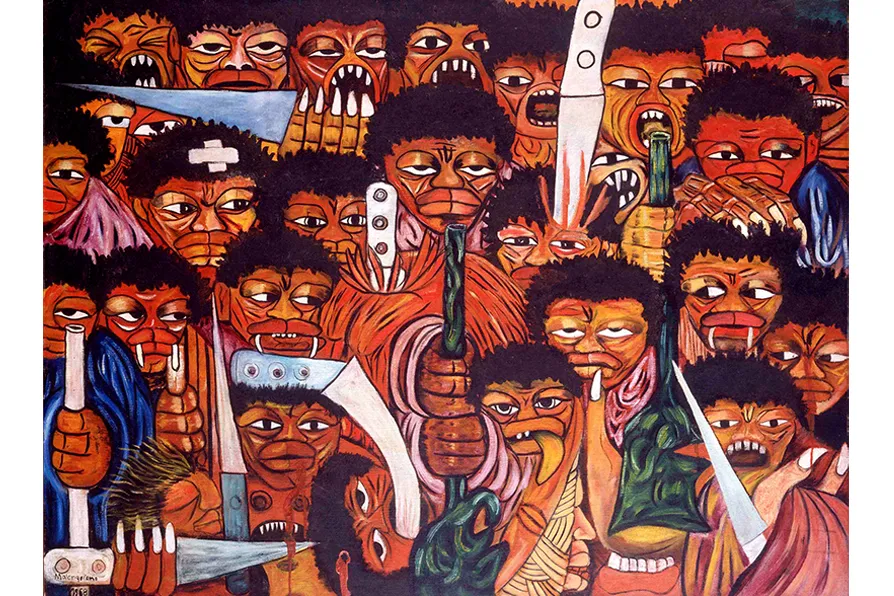
JOHN GREEN welcomes a remarkable study of Mozambique’s most renowned contemporary artist