TUC president and POA leader STEVE GILLAN speaks to Ben Chacko on the eve of Congress 2026


 Latest editorial
Organising skills, building confidence and uniting our fights to win
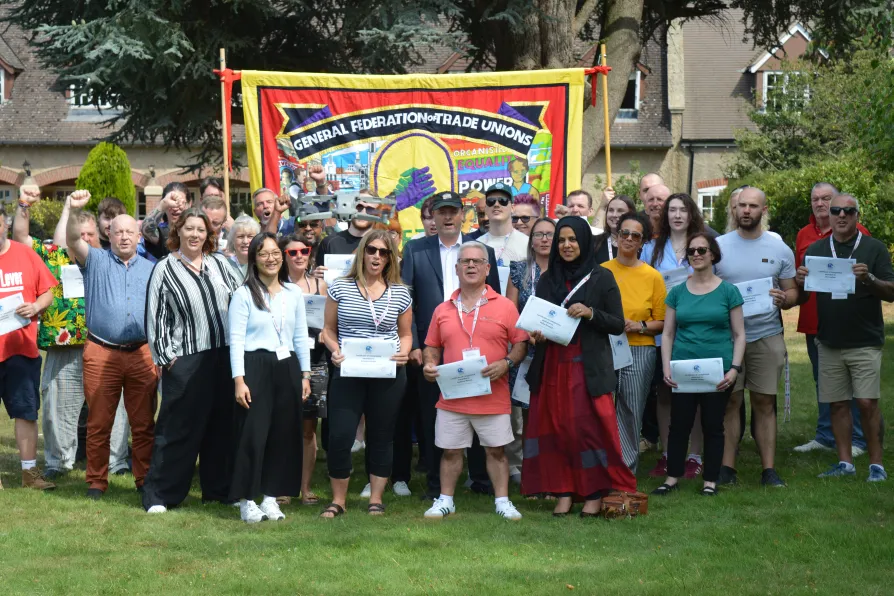
HENRY FOWLER, assistant general secretary of the General Federation of Trade Unions (GFTU), reports on Day 2 from the GFTU’s residential Summer School at the Workers’ Retreat, Quorn Grange Hotel
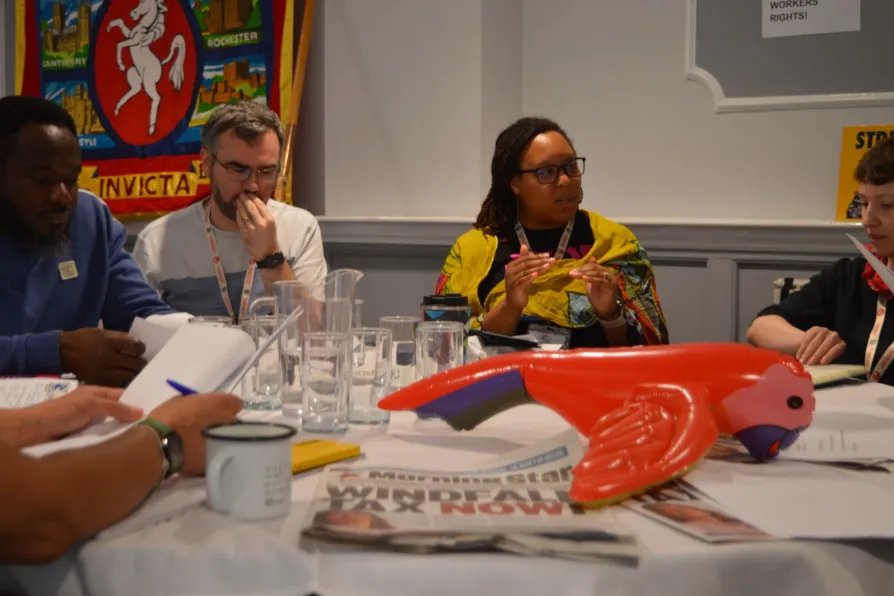 INVIGORATING DISCUSSION: The GFTU Summer School

As Cuba faces the most dangerous moment in its recent history, Britain must do more than condemn the US blockade at the United Nations, writes KEVIN COURTNEY, chair of the Cuba Solidarity Campaign
The Together Alliance is hosting two summits, North and South, to build power and plan action against the scourge of racism peddled by the right. DANIEL KEBEDE urges mass participation
Morning Star assistant business manager BERNADETTE KEAVENEY and international editor ROGER McKENZIE remember attending the 2001 TUC, suspended midweek after news of the World Trade Centre attacks
Whether it’s dented bike frames or broken ferries, MATT KERR wishes politicians had the same steely staying power of elite engineering instead of chasing disposable self-importance
The events of 9/11 reverberated across the United States and then the world. JOHN WIGHT remembers the eerie atmosphere that exposed racial divisions at the heart of Hollywood





DAY TWO of our summer school focused on organising and campaign skills to win. Leading off with Aiday Cassidy from Acorn and Gawain Little, GFTU general secretary, we explored community organising and strategies for our movement to use in challenging the far right at work and in our communities.
Following these discussions, we focused on the importance of organising campaigns. Led by Jordan Garland, secretary of the IWGB Game Workers branch, we discussed the challenges and opportunities of using digital organising tools at Rockstar Games. He spoke about his experiences of organising with game workers using tools like Discord, that workers were already using, the need for security against management retaliation, and the potential far-reaching impact of an upcoming employment tribunal. In an activity, participants played through an organising scenario to think through how they could use these tools.
Moving from organising at work, our next session focused on why our economy isn’t growing. Led by research associate Hwanhee, this session explored Britain’s deindustrialisation and how to reindustrialise the country, tilting the balance of power. Capitalism is a system built on the anarchy of the market, and it commodifies labour, land, and money, that are not natural commodities. Profit is supposed to drive capitalist development by productive investment, but, increasingly, money has been flowing into the finance sector and real estate, leaving the real economy stagnated. Radical working-class demands for more control at workplaces and production process in the post-war era were met with the fierce backlash from the ruling class, in the form of neoliberalism.
Britain has outsourced production of socially necessary and valuable things to overseas and imported cheap workforce. Deindustrialisation led to urbanisation and service-based economy where workers are fighting for a smaller slice of the pie. Britain has abundant capital and shortage of skilled labour. We must start by taking back control from City of London and reintroducing public ownership of infrastructure and key industries to build a new economy in the interest of working people.
From political economy, we shifted focus to how we analyse the strength of our organisation and power at work. Author and academic Robert Ovetz taught participants to carry out a workers’ inquiry in which workers study how their own workplace and industry are organised, how the boss manages, who the workers are and the outcomes of previous efforts to organise. By investigating these questions workers can devise new tactics, strategies and objectives to tip the balance of power in favour of workers to not only win on the shopfloor but build a militant fighting working class that can take on and transcend capitalism.
Our post-lunch afternoon started with how we use the media. Polly Smythe, a former industrial correspondent, led the session on how union members can build confidence by utilising the media to further their disputes and shape reporting on their workplaces. She spoke about her experiences as a reporter, and the disputes that she’d covered, including strikes at an Amazon warehouse, Gail’s bakery allegedly using CCTV to spy on workers, and Evri drivers facing pay cuts at Christmas. The session focused on practical skills, such as writing a press release, preparing for an interview, and understanding newsroom dynamics.
Our final session of the day focused on “salting.” “Salting” is the practice where someone gets a job with the explicit purpose of helping to organise a union. It covered the use of salts in the Starbucks and Amazon campaigns, as participants were guided through an organising activity for unionising a non-union workplace, including by salting and other tactics.
In our final day we will look at how to create good activist digital content, the great money trick, and organisation conversations that win. See tomorrow’s Morning Star for our full report.

Similar stories
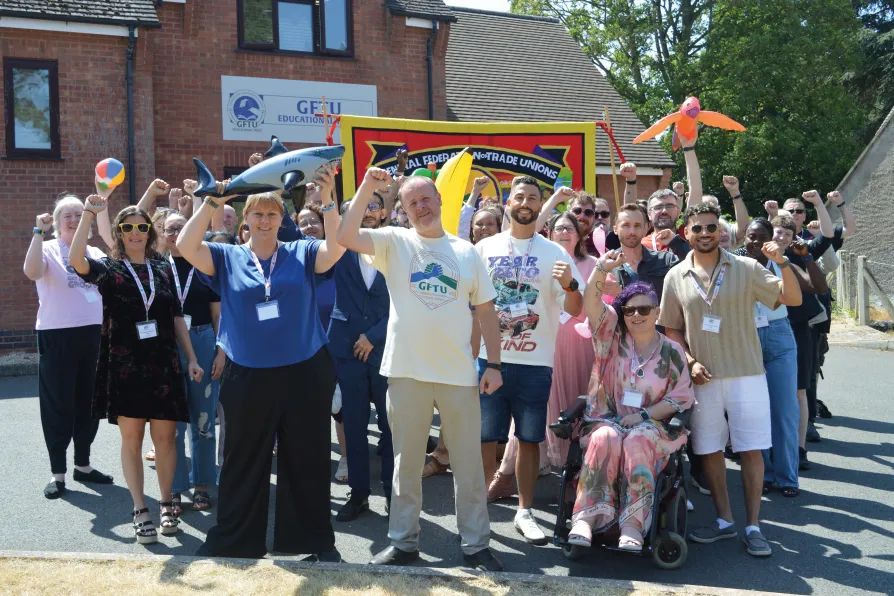
We have the alternative economics, histories of our struggles and the confidence to change the world
General Federation of Trade Unions assistant general secretary HENRY FOWLER reports on the final day from the GFTU’s residential Summer School at the Workers’ Retreat, Quorn Grange Hotel
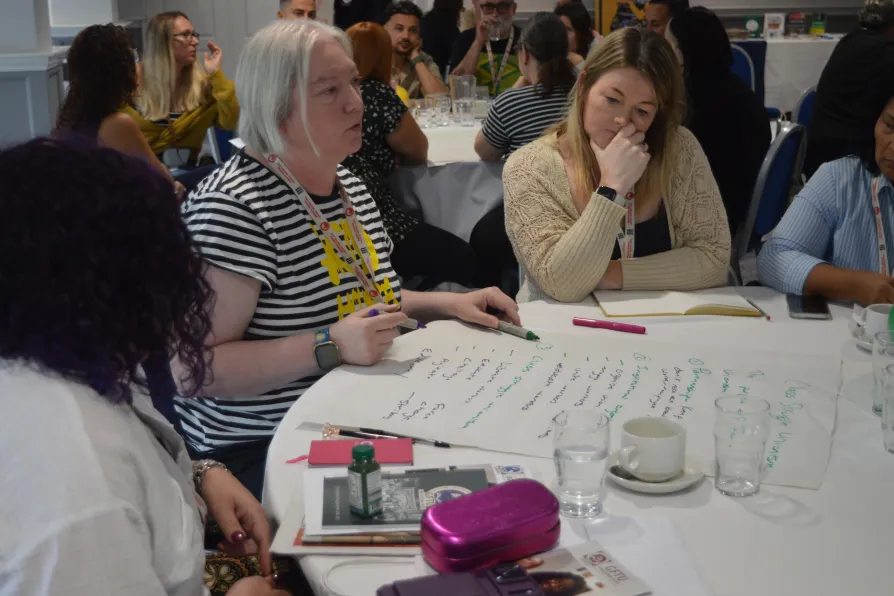
Assistant general secretary of the General Federation of Trade Unions HENRY FOWLER reports on day 1 from the GFTU’s residential Summer School at Quorn Grange Hotel
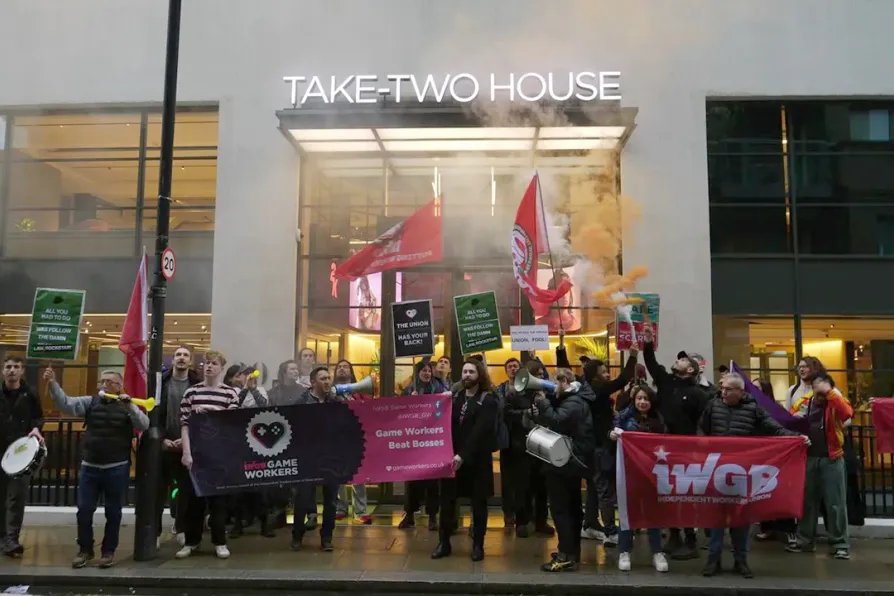
Strike Map co-founder HENRY FOWLER discusses the significance of today’s joint union letter to video game giant Rockstar, demanding trade union recognition for its workers. Their conversation highlights how our movement can harness its collective power to rebuild union power across the private sector
General Federation of Trade Unions president and bakers’ union general secretary, SARAH WOOLLEY, guides us through the GFTU’s Summer School happening this week at Quorn Grange Hotel