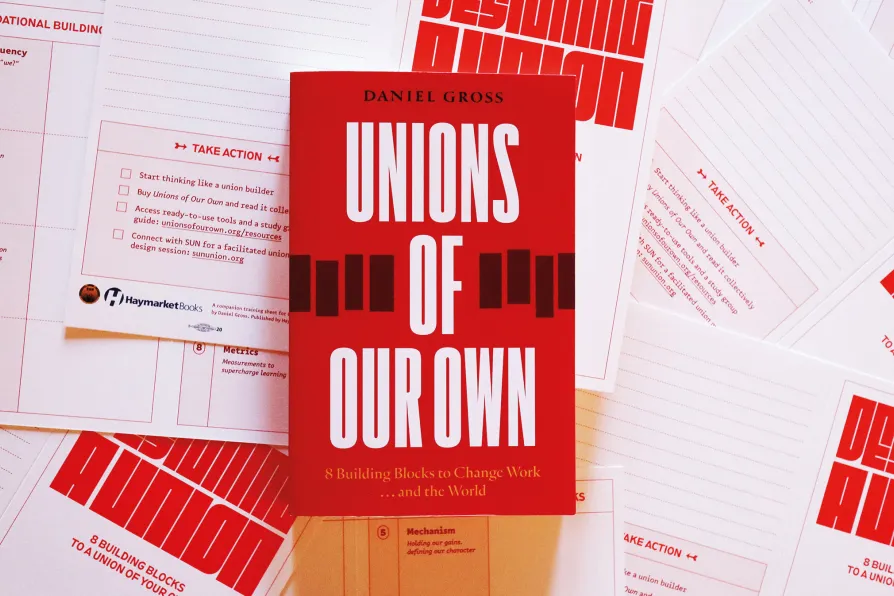
US-based labour and social movements authors and organisers Robert Ovetz and James Tracy interview DANIEL GROSS about his new book, Unions of Our Own: Eight Building Blocks to Change Work and the World


 Latest editorial

No holding back: we in Labour need to be radical
We must nurture working-class leaders and champion working-class communities inside the Labour Party and in general — and we will reach them only with a message that promises deep-seated change, argues IAN LAVERY MP

JOHN CALLOW introduces the work of Geoffrey Trease, who placed ordinary people at the centre of his historical fiction for children, creating adventurous stories to inspire the possibilities of social change
The Isle of Wight’s Victorian holiday boom drew visitors from across Europe, including the founders of scientific socialism, writes KEITH FLETT
The campaign against the Bank of England’s ongoing theft of Venezuelan gold is gaining support across the labour movement and beyond, writes MATT WILLGRESS
Unless ministers match reform with investment, the profession and the people it serves will continue to bear the cost, says KATE RAMSDEN
Claims that Nicaragua has abolished elections followed a headline that stripped Daniel Ortega’s remarks of their historical and political context. The full speech tells a different story, says BECCA RENK FOSTER





FOR 40 years and more Labour has been letting down what was once its base.
As a party we moved away from a radical reimagining of society and offered little more than something slightly less bad than the Tories.
It is certainly not just a problem here in Britain: across Europe and the globe, left-of-centre parties have followed similar fates.

Similar stories

This by-election could plausibly see both Reform and Labour defeated — but splitting the left insurgent vote would put that at risk, argues CHRIS WILLIAMSON

As six out of 10 Argentines don’t vote for Milei LEONEL POBLETE CODUTTI looks at the country’s real crisis that runs far deeper than just the ballot box

All the areas that cause working people to feel insecure have to be addressed, through a return to unashamedly pro-worker politics, if the horror of a Farage government is to be avoided, writes IAN LAVERY MP

Deep disillusionment with the Westminster cross-party consensus means rupture with the status quo is on the cards – bringing not only opportunities but also dangers, says NICK WRIGHT