As Scotland heads to the polls, the main parties offer variations on the same script, says MATT KERR


 Latest editorial

Iranian workers demand action on labour rights
Amid plunging living standards, government corruption and state oppression, strike waves are spreading across Iran, reports STEVE BISHOP
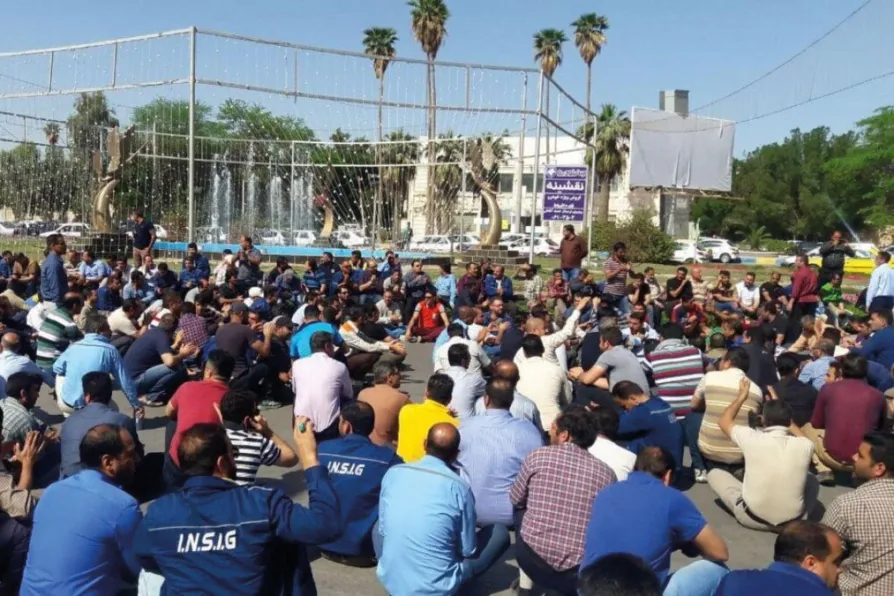 FIGHTING BACK: Striking steelworkers in Iran

The election offers a critical chance to shape the future of pay, care and community provision in Wales, says Unison’s JESS TURNER
Years of underfunding are eroding Scotland’s local services and deepening inequality in communities, says VINCE MILLS
As antisemitism grows, the labour movement must recommit to defence of minorities while navigating the complexities of Gaza and global politics, argues NICK WRIGHT
When a computer program can outperform your human doctor, should you switch, ask ROX MIDDLETON, LIAM SHAW and MIRIAM GAUNTLETT
When only wealthier families can afford nursery, childcare becomes a class divide - financially and developmentally. REBECCA CARTER reports





THE Committee for the Defence of the Iranian People’s Rights (Codir) has called for the international trade union movement to back the calls of Iranian workers in their struggles for improved recognition, pay and labour rights.
The strike wave and industrial action which has been a feature of life in Iran for the past two years continues to escalate into 2024. At the end of December, after eight days of strike action, the workers of the Iran National Steel Industrial Group (Insig) in Ahvaz, in the south of Iran, decided to go back to work after they were promised that the employer will implement the Job Classification Act (JCA) at their workplace.
Without job classifications, workers can work full-time for years and be held in precarious temporary positions while being paid at varied rates, even while doing the same work. In particular, workers at the Insig work in an environment where the employer can at any moment deprive them of the right to make a living by simply disabling their entry cards. Workers live with the constant stress of becoming unemployed.

Similar stories
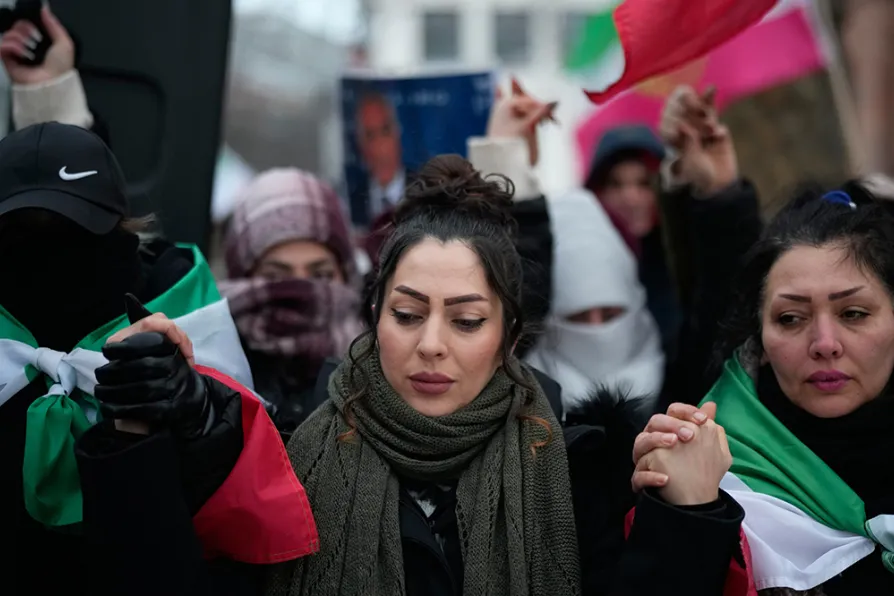
The Committee for the Defence of Iranian People’s Rights (Codir) welcomes demonstrations across Iran, which have put pressure upon the theocratic dictatorship, but warns against intervention by the United States to force Iran in a particular direction
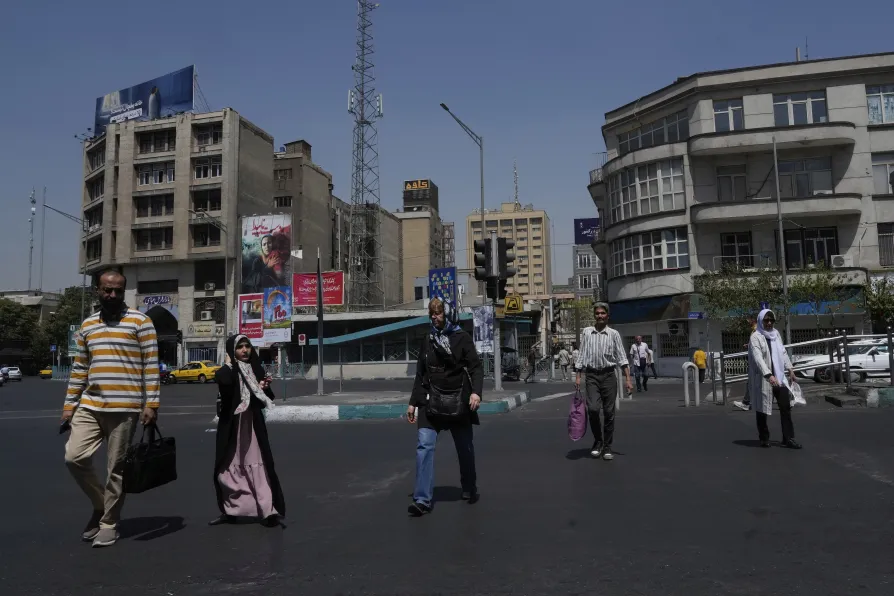
Payam Solhtalab talks to GAWAIN LITTLE, general secretary of Codir, about the connection between the struggle for peace, against banking and economic sanctions, and the threat of a further military attack by the US/Israel axis on Iran
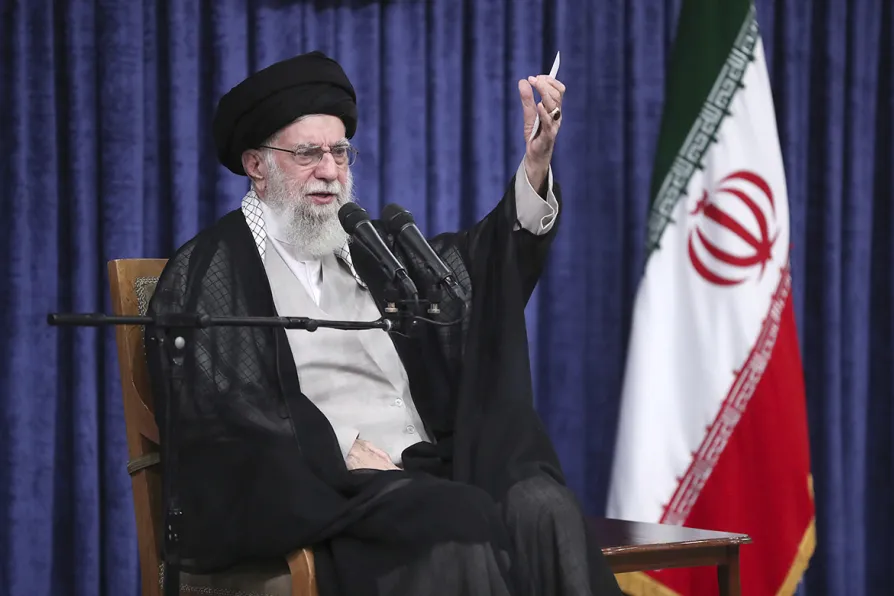
The Islamic Republic is attempting to deflect from its own failures with a scapegoating campaign against vulnerable and impoverished migrants, writes JAMSHID AHMADI
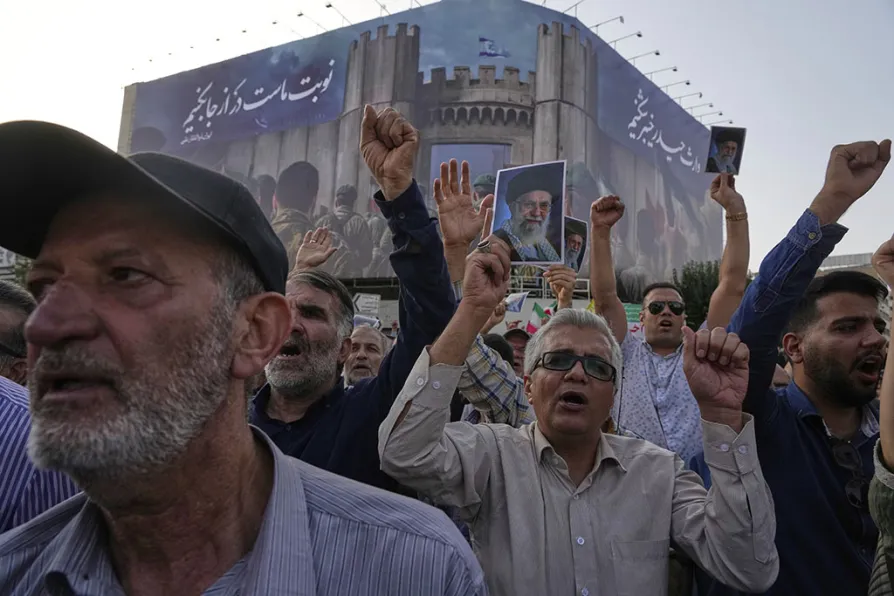
In the second of two articles, STEVE BISHOP looks at how the 1979 revolution’s aims are obfuscated to create a picture where the monarchists are the opposition to the theocracy, not the burgeoning workers’ and women’s movement on the streets of Iran