While riding the No 3 bus in Glasgow MATT KERR has ample time to dissect the moribund Scottish Labour decline into near oblivion and watch intriguing bus passenger dynamics


 Latest editorial

Practical solidarity with the people of Iran
Codir general secretary GAWAIN LITTLE explains the solidarity campaign's priorities as it holds its AGM this weekend
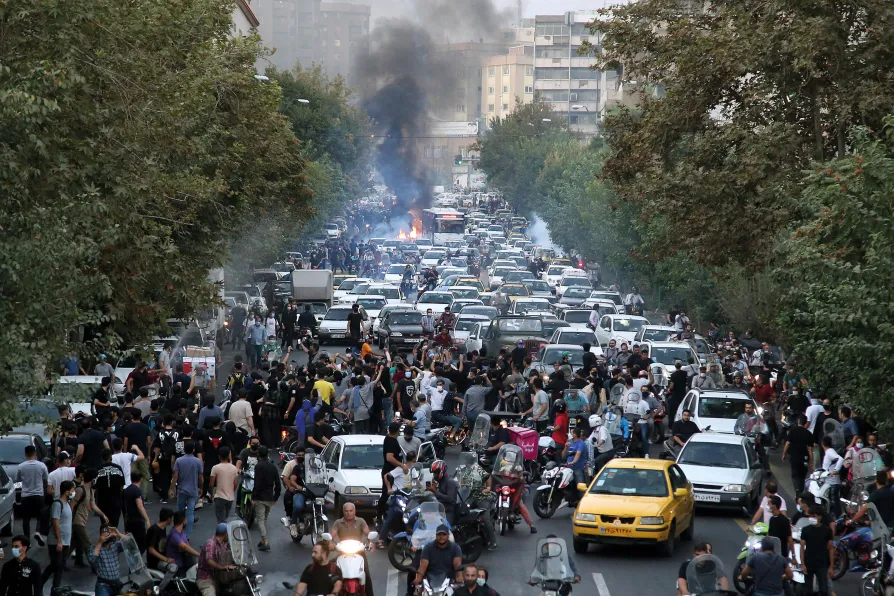 WOMEN, LIFE, FREEDOM: Protests over the death of Mahsa Amini at the hands of the ‘morality police,’ in downtown Tehran, Iran, September 2022
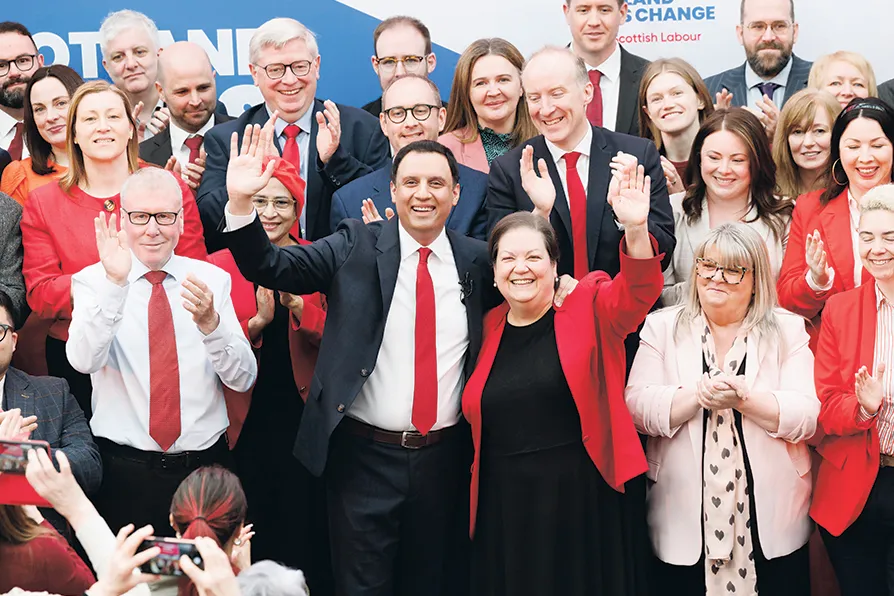
The best wildfire service may begin with the community, argues KOMAL RAJ ARYAL
Dignity is important to all humans, argues the Marx Memorial Library and Workers’ School, but it does not come about automatically. In a less than perfect world, dignity can accompany suffering, but the collective dignity of working people is achieved through acting together to change the world.
The US aim to reshape the existing order in the Middle East needs to be resolutely resisted, argues PAYAM SOLHTALAB
Concessions to Washington by the post-Maduro leadership in Caracas are designed to preserve the core of the Bolivarian Revolution not betray it, argue Roger D Harris, Francisco Dominguez and Mara Paez Victor. How the solidarity movement responds is critical
ALMA EGAN suggests four days out that bring the region’s history of protest to life





THE Committee for Defence of Iranian Peoples Rights (Codir) has a long history of supporting the struggle of the people of Iran. What are its current priorities?
GL: The Islamic Republic of Iran has been struggling with economic, social and cultural crises for a long time now. The theocratic dictatorship can’t offer any solution to the political, economic, environmental and cultural challenges the country is facing.
High unemployment and inflation, inequality, unprecedented environmental degradation, brain drain, repressive social conditions, rampant corruption, as well as the continuing threat of war are the realities facing Iran today.

Similar stories
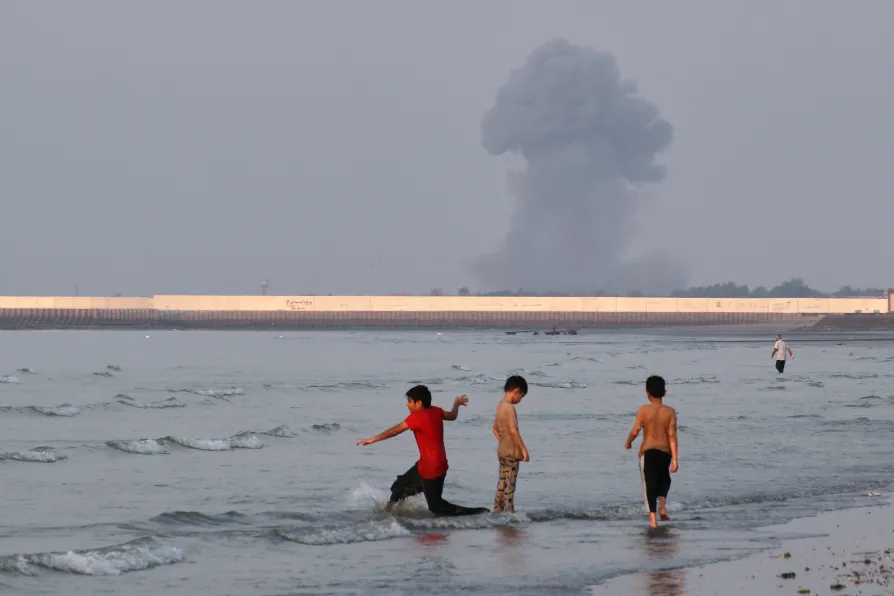
Behind the language of military strategy is a confrontation that risks drawing the wider Middle East into war, says STEVE BISHOP
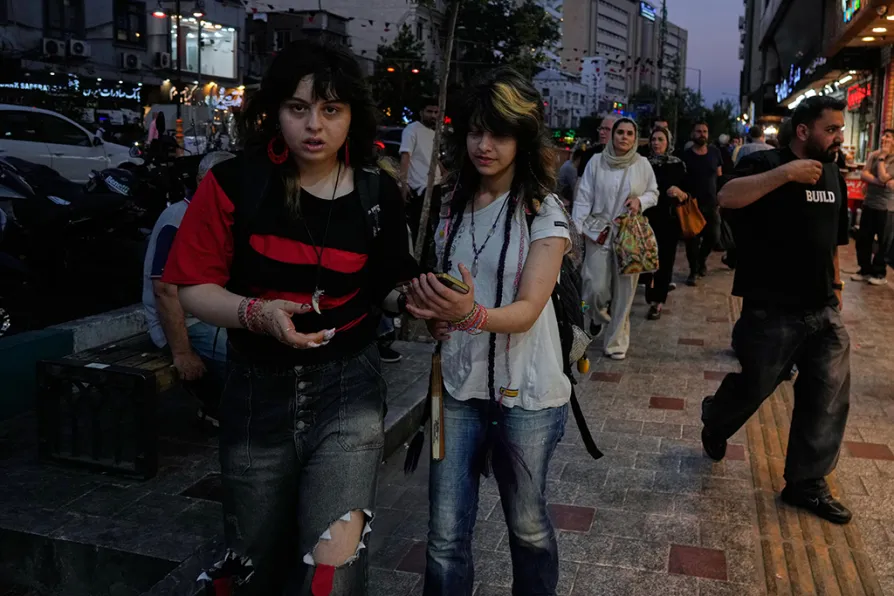
The ceasefire may have halted the fighting for now, but years of economic warfare and recent military attacks have left millions of Iranians facing hardship and uncertainty, says Codir’s RUBEN BRETT
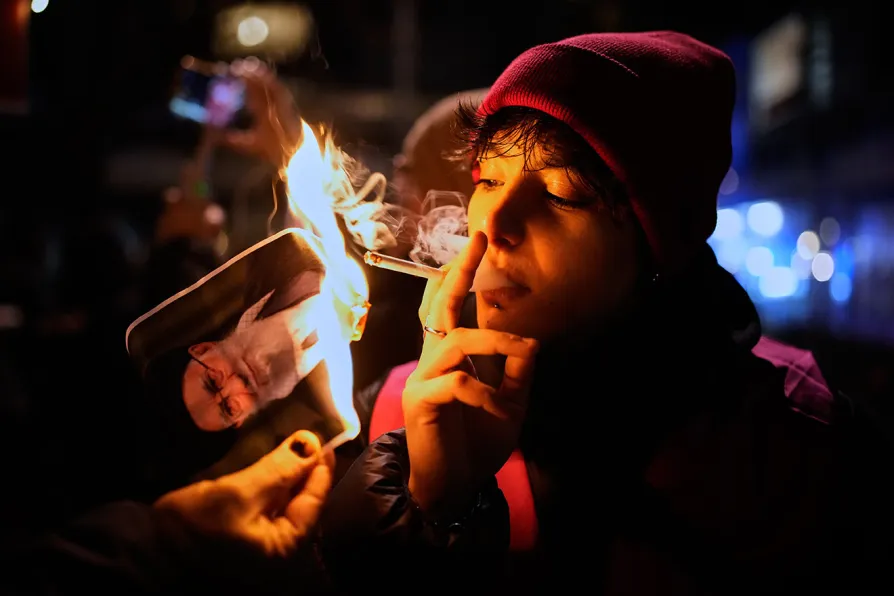
MOHAMMAD OMIDVAR, a senior figure in the Tudeh Party of Iran, tells the Morning Star that mass protests are rooted in poverty, corruption and neoliberal rule and warns against monarchist revival and US-engineered regime change
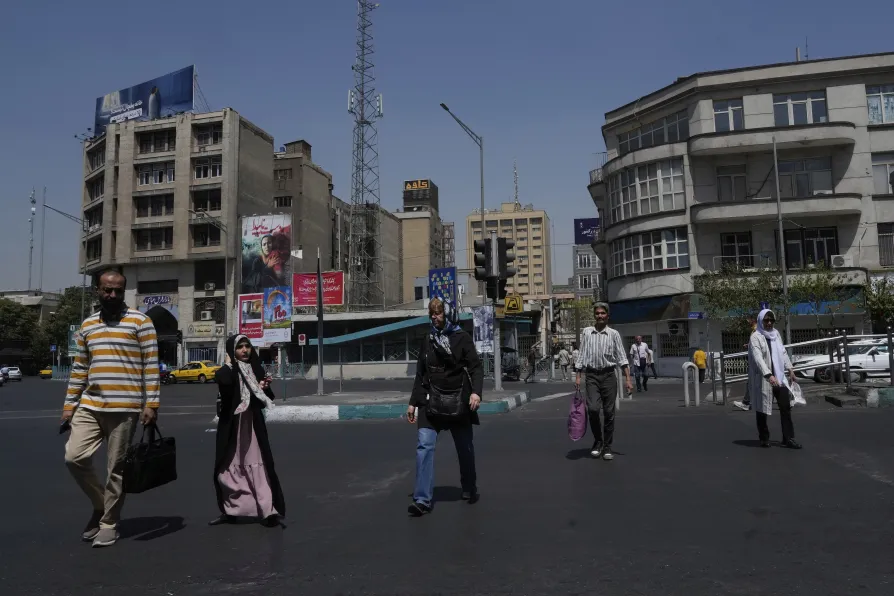
Payam Solhtalab talks to GAWAIN LITTLE, general secretary of Codir, about the connection between the struggle for peace, against banking and economic sanctions, and the threat of a further military attack by the US/Israel axis on Iran