JAMES NALTON argues that Curtis Jones’s departure leaves Liverpool facing a stark local void as the club’s roots are increasingly swallowed by football’s globalised model



The farmer’s son who fought like a lion
JOHN WIGHT takes us on a journey back to a decade defined by union power, pop stars, and gritty football icons - no boxer embodied the heart and soul of 1970s Britain quite like Dave Boy Green
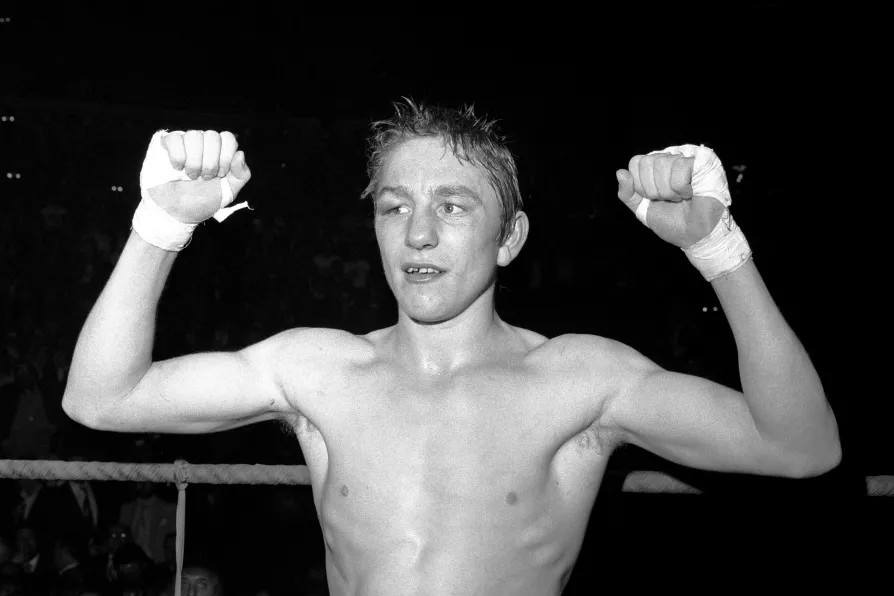
 Dave "Boy' Green victorious at tonight's Lightweight fight for the European championship with Jean-Baptiste Piedvache (France) who retired in the ninth of their 15 round fight at London's Royal Albert Hall, December 7, 1976

As antisemitism spread across Europe and the United States in the 1920s and 1930s, Benny Leonard and Jack ‘Kid’ Berg became symbols of hope and resilience, writes JOHN WIGHT





THE history of British sport is strewn with iconic figures who exemplify periods when everything seemed to make sense. One decade in particular, the 1970s, falls into the category of a “case in point.”
George Best, Stan Bowles, Billy Bremner, Kevin Keegan, Sammy Nelson — the list goes on and on — all plied their footballing craft in the 1970s. In athletics Mary Peters, David Hemery and David Wilkie were in their primes. While when it comes to rugby union, among the greats were Barry John, JPR Williams, Gareth Edwards and Andy Irvine, among so many others.
No British boxer, turning to the primary object of this column, reminds us of that decade and era more than Dave Boy Green. The name alone is redolent of a time when the British working class was the strongest and most organised it had been since the second world war. The result was an economy which served the interests of society rather than the other way round, as is the case now.

Similar stories
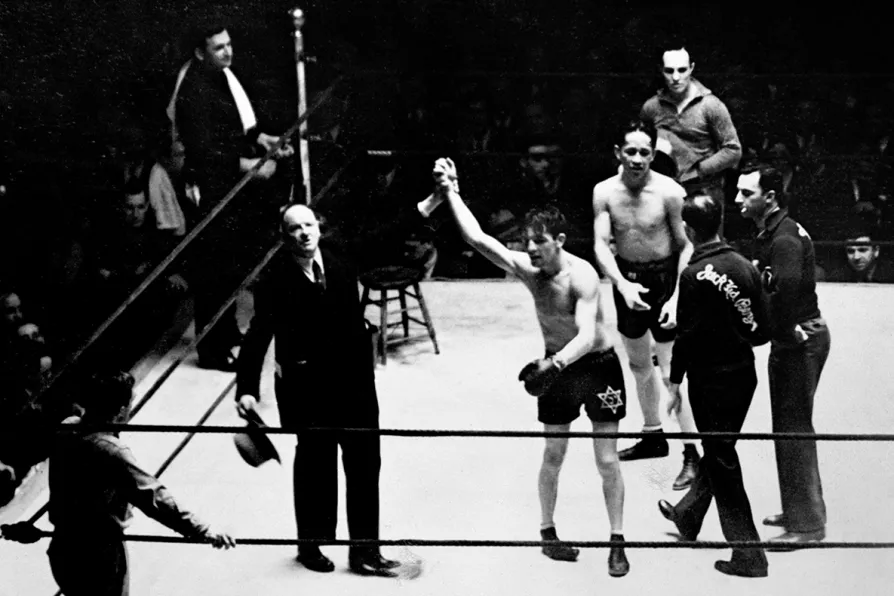
As antisemitism spread across Europe and the United States in the 1920s and 1930s, Benny Leonard and Jack ‘Kid’ Berg became symbols of hope and resilience, writes JOHN WIGHT
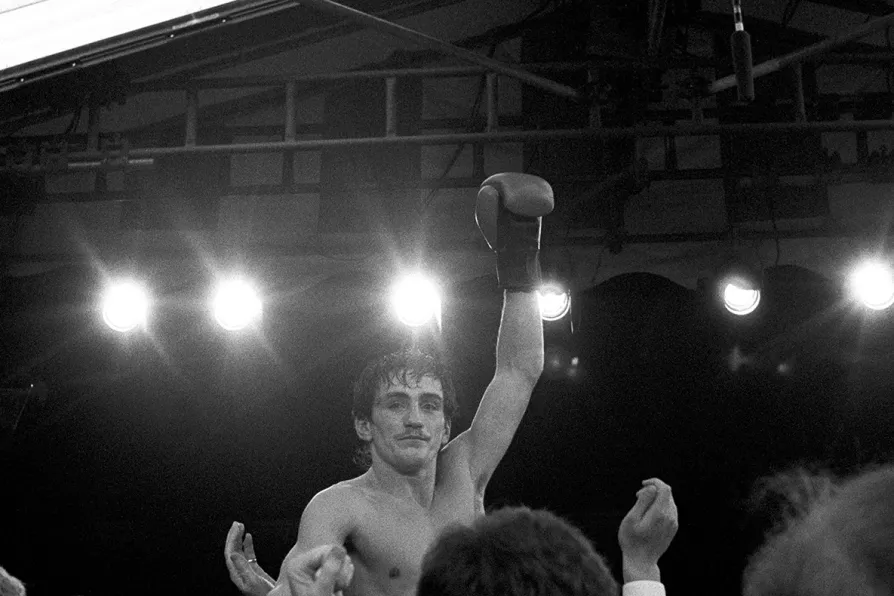
From Barry McGuigan and Carl Frampton to Tyrone McKenna and Lewis Crocker, the city’s fighters carry a complex history into the ring, writes JOHN WIGHT
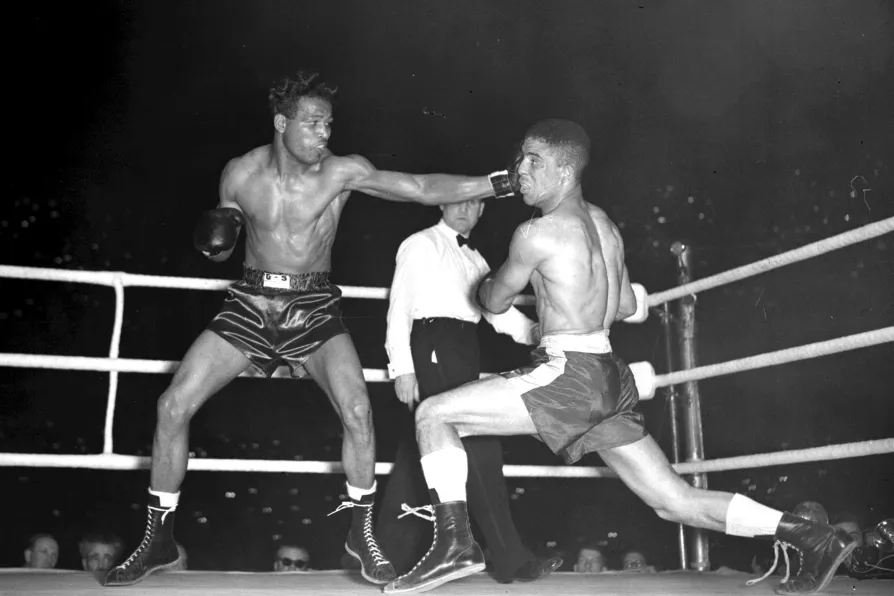
JOHN WIGHT pays tribute to the day in history when Randolph Turpin dealt the world of boxing an almighty blow