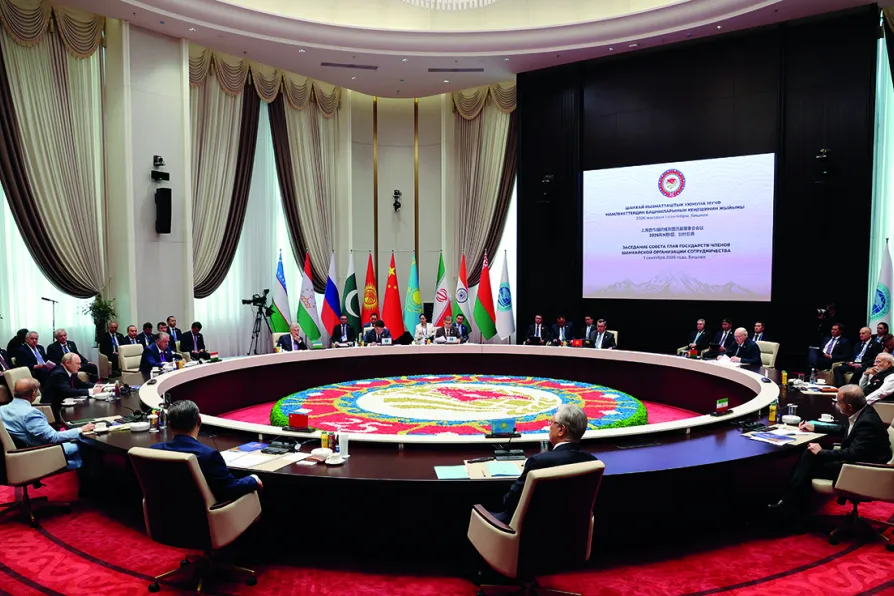
The 25th anniversary meeting of the Shanghai Co-operation Organisation in the Kyrgyz capital may offer a glimmer of hope that international relations do not need to be defined by endless confrontation, writes KENNY COYLE


 Latest editorial

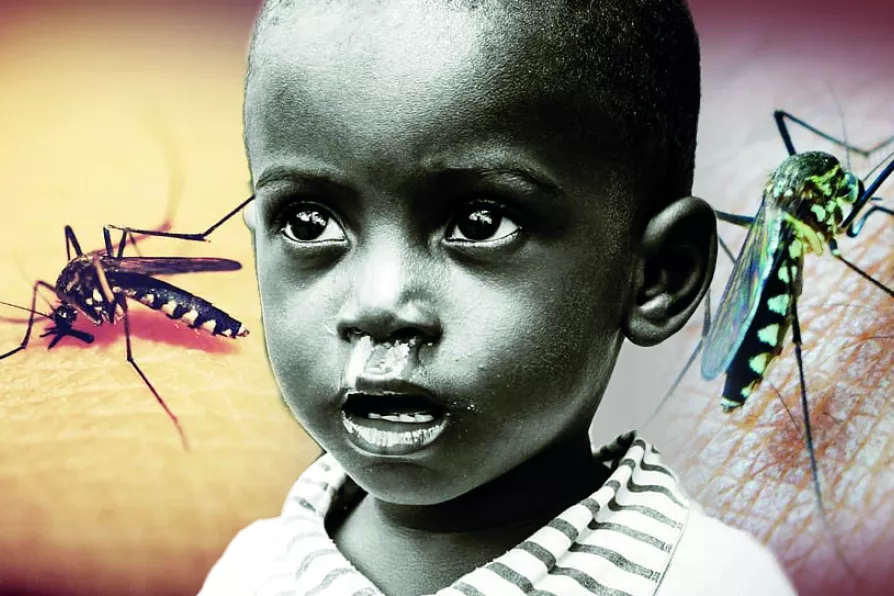
The most important vaccine of 2021 might be for malaria
Promising results from a new trial indicate we could finally be equipped with one of the tools needed to rid us of a disease that has plagued people since the dawn of humanity, write ROX MIDDLETON, LIAM SHAW and JOEL HELLEWELL
The artist, who has just died, is embedded in the subconscious of the Palestinian people
The five young men killed in the A66 crash were responsible for a devastating tragedy — but the crash should force us to ask difficult questions about wider society, argues RENATA MEDEIROS MIRRA
Britain funds the policing of black culture 16 times better than the culture itself. The Diamond Jubilee is the moment to end that, argues CLAUDIA WEBBE
Despite Andy Burnham’s declaration defending the continued partition of the island, all major international and internal trends are converging to make Irish reunification inevitable
Humans are part of the ‘animal kingdom’ – and of nature in general – but also distinct from it and labour (work) is part of what makes us unique, declared Engels. His insights 150 years ago into how our species came to be and how we differ from the rest of nature, are as important today as they were then, says the MARX MEMORIAL LIBRARY
Committee for the Defence of the Iranian People’s Rights general secretary GAWAIN LITTLE discusses the impact of the US-Israeli war on the Iranian people and economy





DISEASES come in many guises. Before late 2019, there had never been a single case of Covid-19 and SARS-CoV-2 was an unknown virus. Now, less than a year and a half later, there have been millions of cases. In contrast, a disease like malaria has been with humans ever since we emerged as a species.
An early species of Plasmodium, the parasite which causes malaria, was found in mosquitoes that had been preserved in amber for nearly 30 million years. Yet this is no guide to a disease’s impact. During 2020, more people on the continent of Africa died of malaria than Covid-19.
While it took less than a year to develop a vaccine for Covid-19, a vaccine for malaria has proven near-impossible. However, that may be about to change.

Similar stories
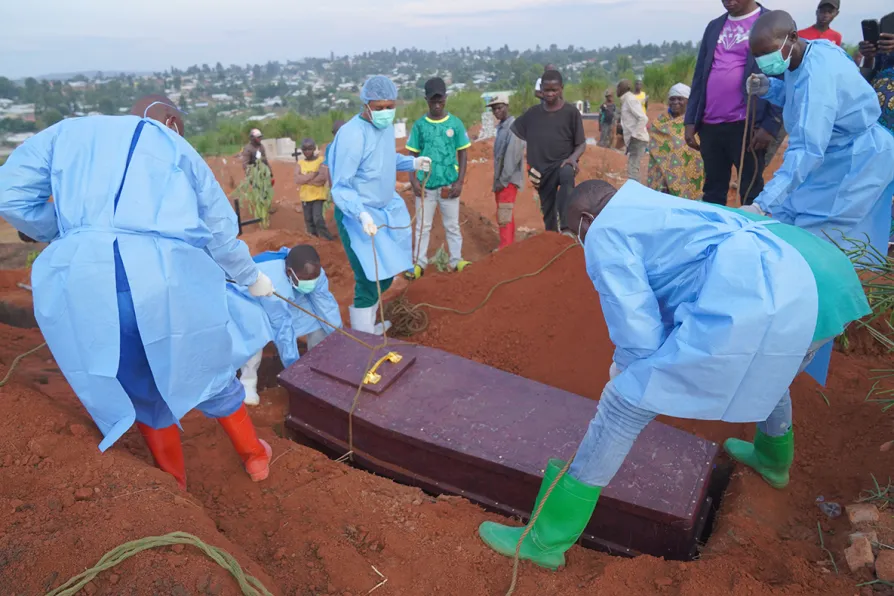
As thousands die in the eastern DRC, a global health emergency is being starved of funds, says S KRISHNASWAMY
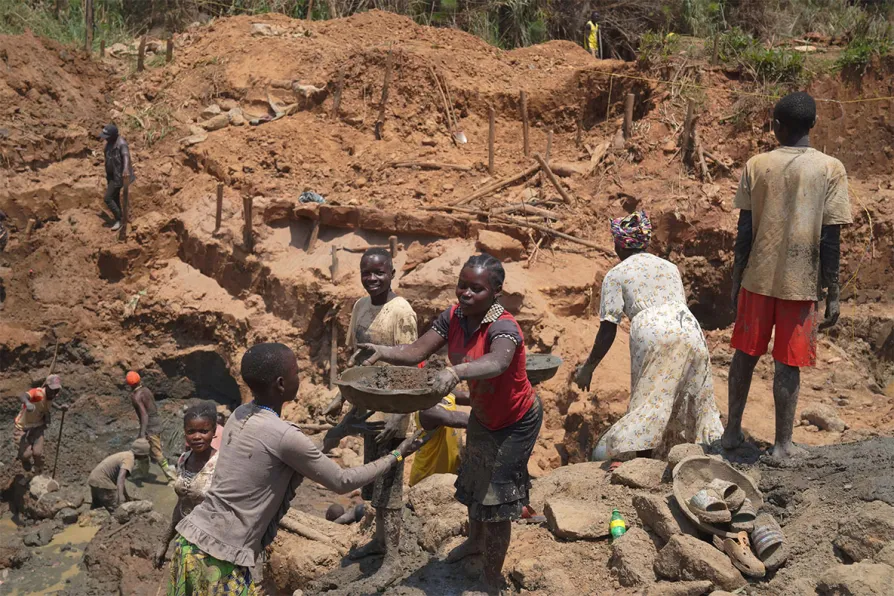
Poverty, refugee displacement, child labour and militia violence are exacerbating the challenge of health workers to limit this deadly contagious disease. CONSTANT SAME BAGALWA and MARK BANCHEREAU report
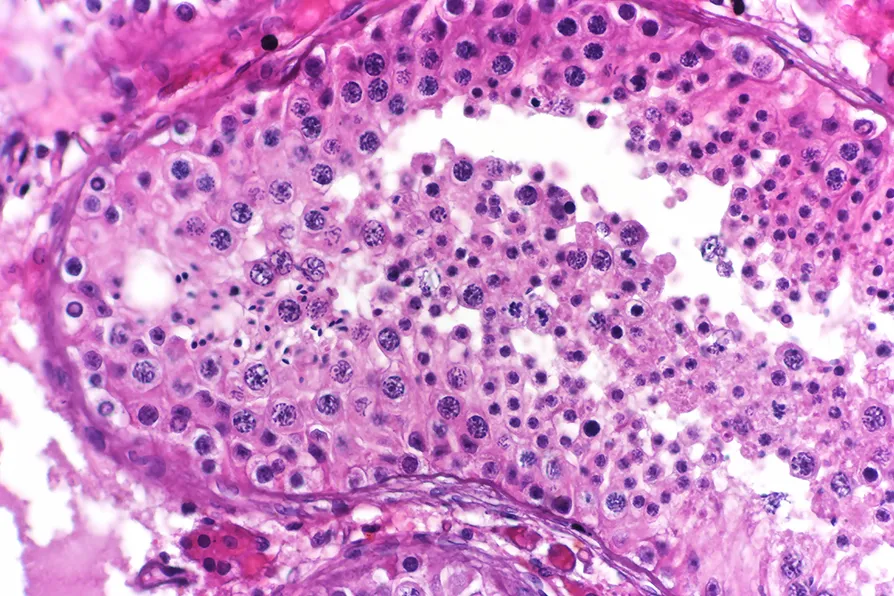
New research into mutations in sperm helps us better understand why they occur, while debunking a few myths in the process, write ROX MIDDLETON, LIAM SHAW and MIRIAM GAUNTLETT