The 25th anniversary meeting of the Shanghai Co-operation Organisation in the Kyrgyz capital may offer a glimmer of hope that international relations do not need to be defined by endless confrontation, writes KENNY COYLE


 Latest editorial

The Bite of the Bumblebee
SCIENCE AND SOCIETY explains why hungry bumblebees cause plants to flower when spring comes early
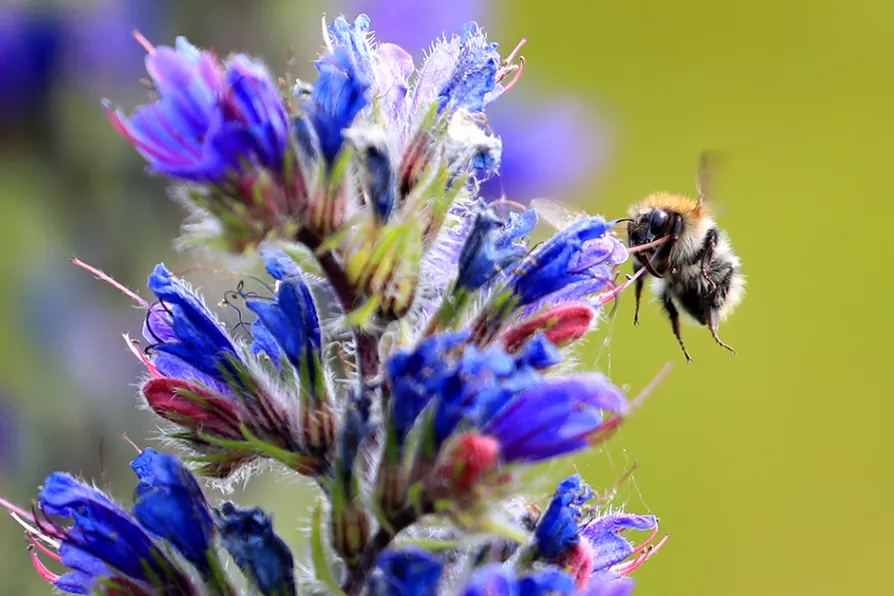 A Bumblebee searches for pollen amongst flowers in Kent

The artist, who has just died, is embedded in the subconscious of the Palestinian people
The five young men killed in the A66 crash were responsible for a devastating tragedy — but the crash should force us to ask difficult questions about wider society, argues RENATA MEDEIROS MIRRA
Britain funds the policing of black culture 16 times better than the culture itself. The Diamond Jubilee is the moment to end that, argues CLAUDIA WEBBE
Despite Andy Burnham’s declaration defending the continued partition of the island, all major international and internal trends are converging to make Irish reunification inevitable
Humans are part of the ‘animal kingdom’ – and of nature in general – but also distinct from it and labour (work) is part of what makes us unique, declared Engels. His insights 150 years ago into how our species came to be and how we differ from the rest of nature, are as important today as they were then, says the MARX MEMORIAL LIBRARY
Committee for the Defence of the Iranian People’s Rights general secretary GAWAIN LITTLE discusses the impact of the US-Israeli war on the Iranian people and economy





IN spring, buff-tailed bumblebee queens (Bombus terrestris) emerge from their winter nests looking for ideal locations to start colonies.
Each colony is founded with an initial batch of eggs that were fertilised the previous year. Two weeks later these eggs become the first batch of worker bees, who will forage for food and tend to the eggs that the queen continues to lay.
The initial stages of the colony, when the number of worker bees is low, can be a very precarious time. The success of the colony depends on how well the queen has chosen their location.

Similar stories

Hot and dry conditions are threatening British species unequipped for drought, explains PAUL ASHTON
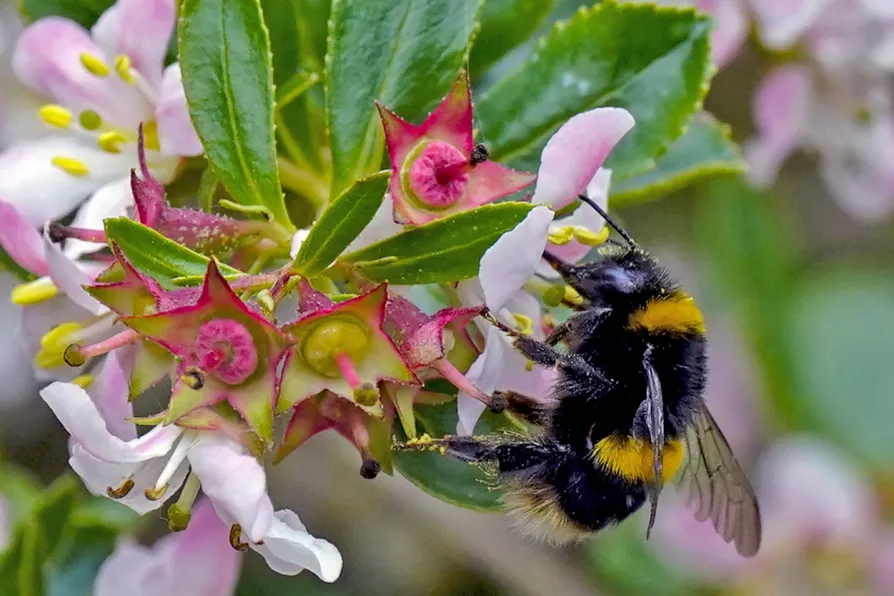
Rising temperatures and human activity are making life far harder for these vital pollinators. ALEX DITTRICH explains
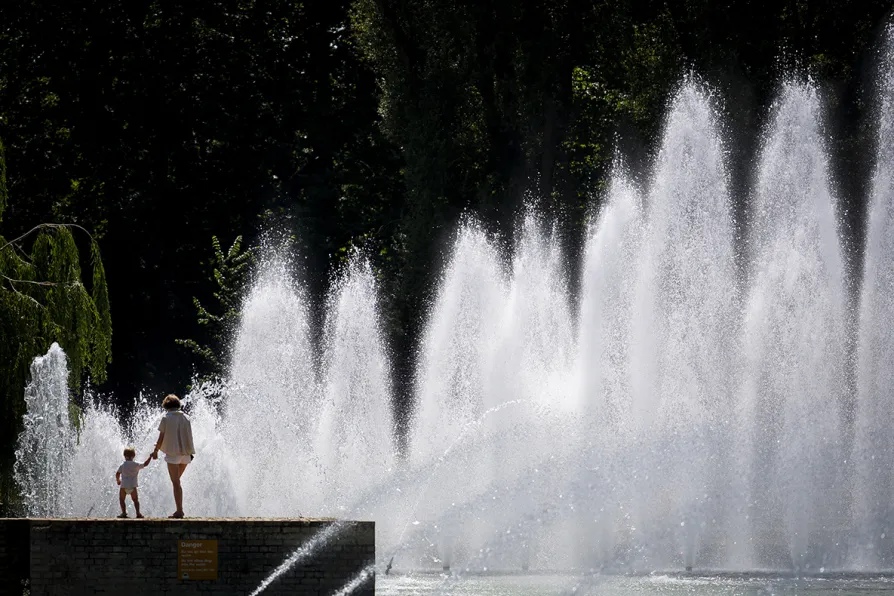
The recent heatwaves revealed how ill-prepared Britain remains for a hotter future – and how unequal the ability to cope with it has become, write ROX MIDDLETON, LIAM SHAW and MIRIAM GAUNTLETT
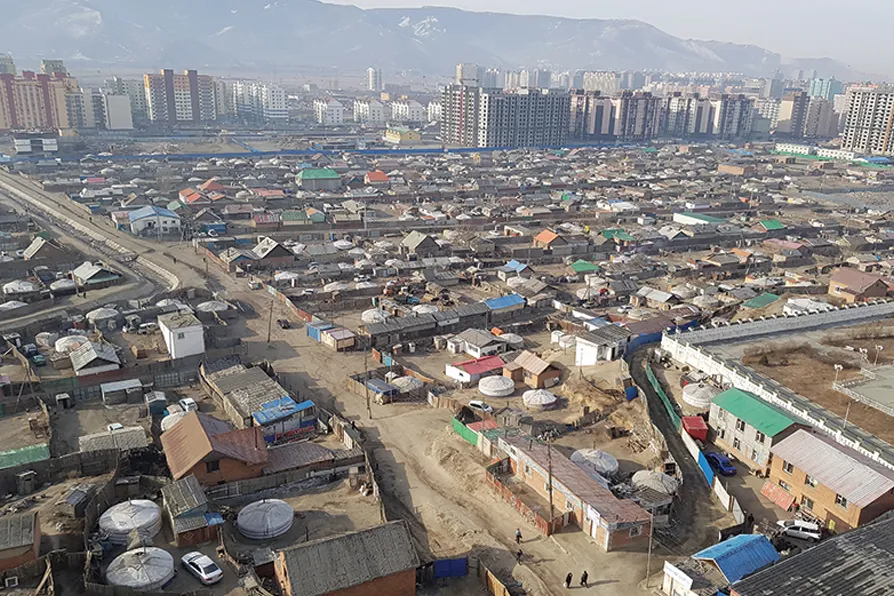
Coal-fired stoves in traditional homes are the primary source of extreme levels of air pollution in over-crowded Ulaanbaatar. As more people become climate-displaced, the situation is likely to worsen, write SCIENCE AND SOCIETY