ROB WARZYNIAK recalls the emblematic 1906 book, The Jungle, in its analysis of the crisis presently engulfing the US Food and Drug Administration


 Latest editorial

Taliban takeover is a win-win for US imperialism
Natural resource grabbing and political destabilisation of the region are the crux of US medium-term ‘game’ in Afghanistan, argues LIZ PAYNE
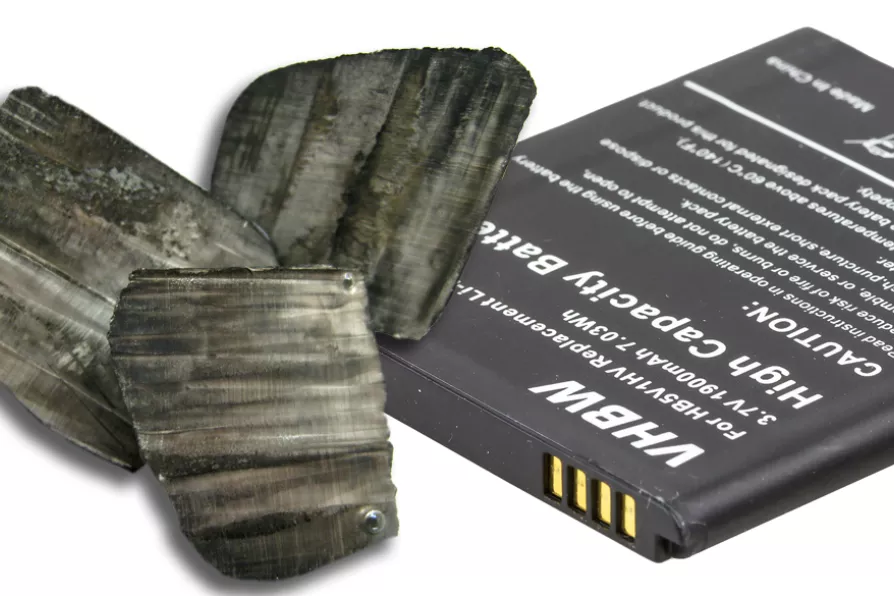 PILLAGING AFGHANISTAN: Lithium
[(L to R) Dnn87 / Raimond Spekking/both Creative Commons]
PILLAGING AFGHANISTAN: Lithium
[(L to R) Dnn87 / Raimond Spekking/both Creative Commons]

Welsh wanderings showcase fiery destruction, alternative water ways and revive memories of a local mining legend, writes MARK SEDDON
As thousands die in the eastern DRC, a global health emergency is being starved of funds, says S KRISHNASWAMY
MAT COWARD explains how in the 17th century a row over whether to kneel at communion became a battle over religion, class and royal power
Renewed illusions in social democratic reformism are sprouting as a result of Andy Burnham’s rhetoric, but material conditions are already intruding into the debate, argues NICK WRIGHT
Andy Burnham could learn a few lessons from a previous Labour government in the pre-privatisation era on how to tackle water shortages, writes KEITH FLETT





FOUR decades ago, the People’s Democratic Party of Afghanistan (PDPA) was in power. The government was secular not religious and the country a republic.
The advances the PDPA government made in the late 1970s and 1980s for the people of Afghanistan, and for women in particular, were enormous — before the US and its allies, including Britain, Nato, the theocratic dictatorships in Iran and Saudi Arabia, and the secret services of Pakistan, together with the most reactionary forces in Afghanistan, so shamefully brought it down in 1992.
Moves to release women from centuries of feudal subjugation and less than human treatment had begun in earnest in the 1920s, profoundly influenced by the 1917 Revolution which replaced the tsar’s Russian empire with a socialist republic, with which Afghanistan signed a friendship treaty in 1921.

Similar stories
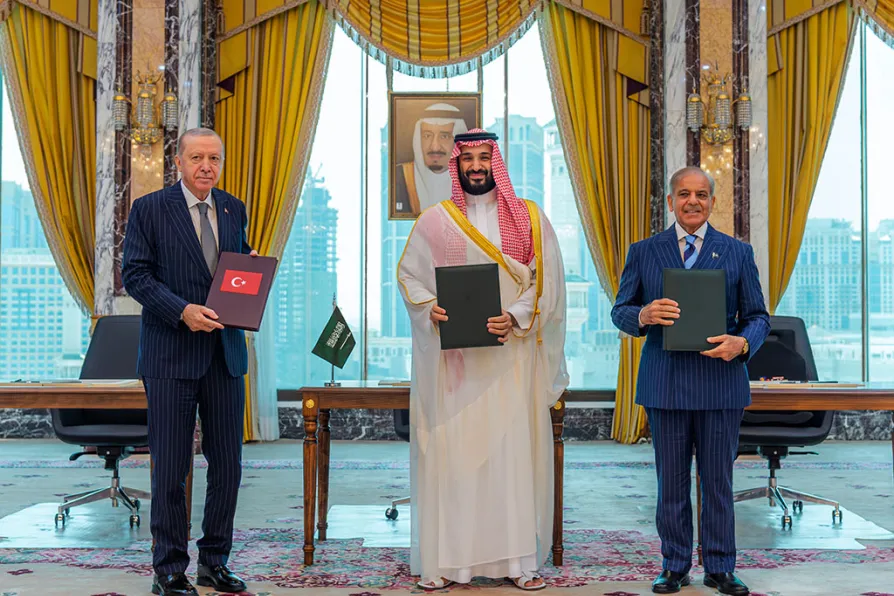
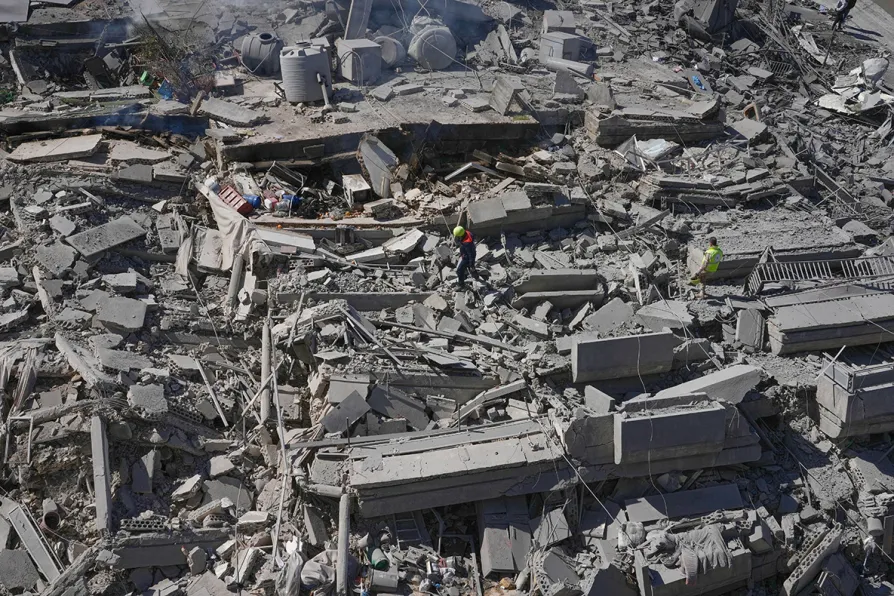
The civilian toll climbs past 1,000 as women, children and families are struck in their homes, schools and public spaces – a stark illustration of the human cost of war. AZAR SEPEHR emphasises that the future of Iran is solely determinable by the people of that country and them alone
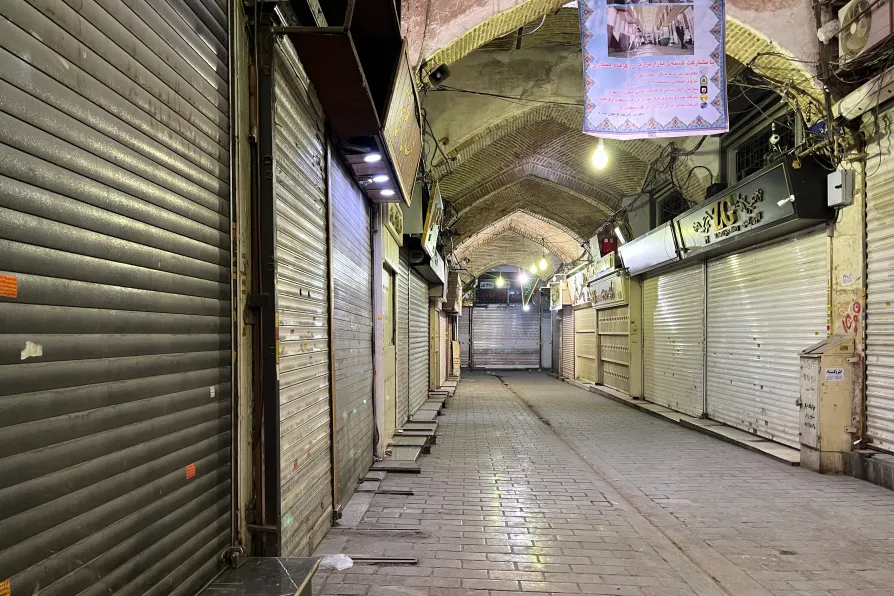
Trump threatens war and punitive tariffs to recapture Iranian resources – just as in 1953, when the CIA overthrew Mossadegh and US corporations immediately seized 40% of the oil, says SEVIM DAGDELEN
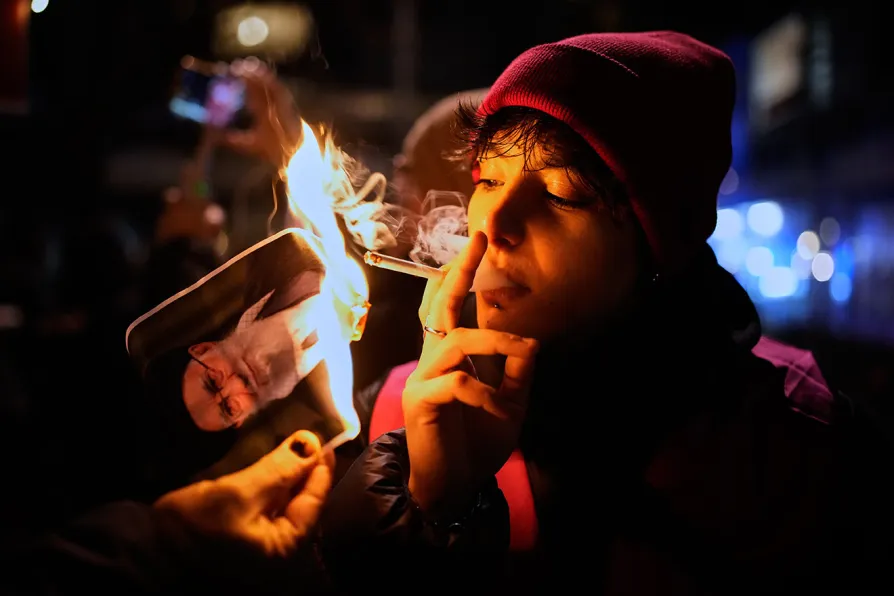
MOHAMMAD OMIDVAR, a senior figure in the Tudeh Party of Iran, tells the Morning Star that mass protests are rooted in poverty, corruption and neoliberal rule and warns against monarchist revival and US-engineered regime change