ROB WARZYNIAK recalls the emblematic 1906 book, The Jungle, in its analysis of the crisis presently engulfing the US Food and Drug Administration


 Latest editorial

Remembering Hiroshima in an age of endless war
LIZ PAYNE draws the parallels between 1945’s atomic horrors and today's conflicts, calling for mass resistance to Western aggression and a renewed push for global disarmament
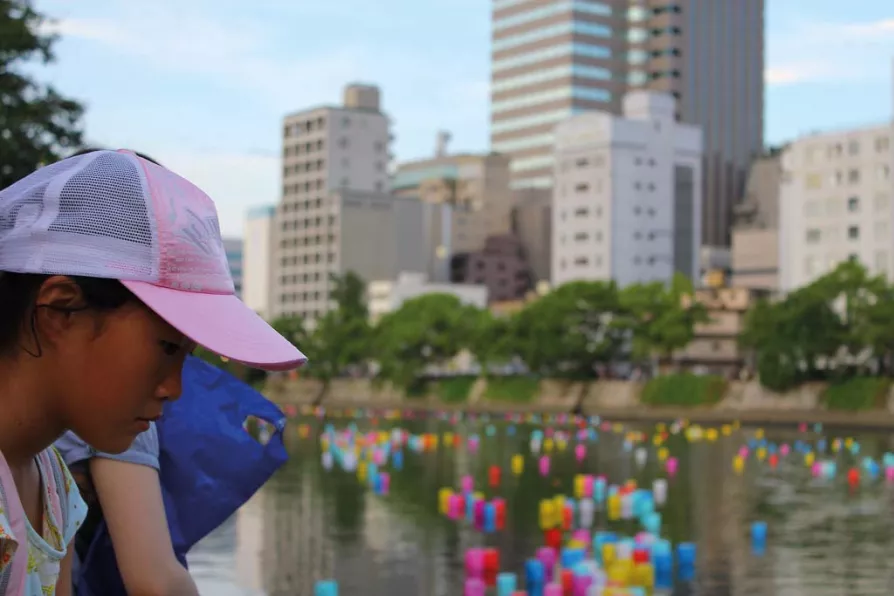 A young girl takes part in a sombre lantern ceremony for the 66th anniversary of the bombing
[Richard Riley/Creative Commons]
A young girl takes part in a sombre lantern ceremony for the 66th anniversary of the bombing
[Richard Riley/Creative Commons]

Welsh wanderings showcase fiery destruction, alternative water ways and revive memories of a local mining legend, writes MARK SEDDON
As thousands die in the eastern DRC, a global health emergency is being starved of funds, says S KRISHNASWAMY
MAT COWARD explains how in the 17th century a row over whether to kneel at communion became a battle over religion, class and royal power
Renewed illusions in social democratic reformism are sprouting as a result of Andy Burnham’s rhetoric, but material conditions are already intruding into the debate, argues NICK WRIGHT
Andy Burnham could learn a few lessons from a previous Labour government in the pre-privatisation era on how to tackle water shortages, writes KEITH FLETT





THE nuclear atrocities committed on the Japanese cities of Hiroshima and Nagasaki on August 6 and 9 1945 took place not by accident but by intent, as the most reactionary forces in the world, led by the US, pursued their goals of domination of the Western Pacific in the post-war world.
An estimated 140,000 died in Hiroshima, half of them on the day the bomb was detonated. Thousands more were horrifically injured. The US government and military knew very well what they had done, yet three days later, in cold blood, unleashed nuclear devastation also on the people of Nagasaki.
Whatever the subsequent excuses, the aggressor’s prime motivation was clear — to prevent the USSR from gaining a foothold in Japan and greater influence in the region after its planned entry to the war in the Far East on August 8.

Similar stories

British military spending is among the highest in the world, diverts scarce resources from far better causes and fuels international conflict. It’s time we made different choices, argues LIZ PAYNE