Trade unions need to step up and force a turn in the policies of the labour movement to effectively confront the far-right threat, argues NICK WRIGHT


 Latest editorial

A significant step in moving our fair work mission forward in Wales
The Social Partnership Bill represents a real opportunity, says SHAVANAH TAJ
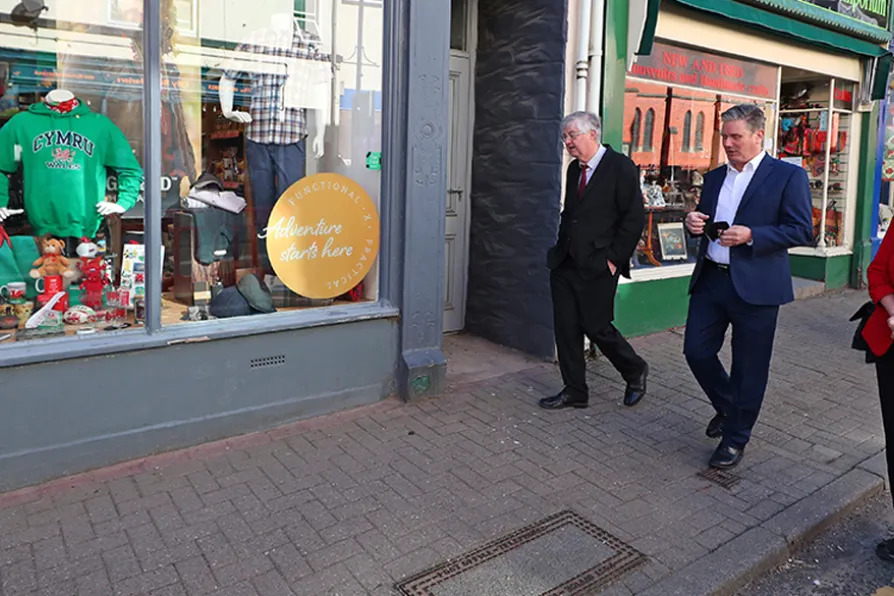 COMPARING NOTES: Labour Party leader Keir Starmer (centre) and First Minister of Wales Mark Drakeford (left) during a walkabout in Llangollen as part of Welsh Labour’s Senedd election campaign last Thursday

As the 90th anniversary of the outbreak of the Spanish civil war is marked, Teesside campaigners will gather to remember the local men and women who stood against fascism, explains TONY FOX
Whatever differences exist among international sympathisers of the Bolivarian revolution about its current trajectory, they should unite against the imperialist power that is the source of an enforced retreat, argues ROGER D HARRIS
Washington’s inability to subjugate Iran is an example of how it is trying to preserve a regional order that no longer exists, argues RAMZY BAROUD
US financial instability is exposing the limits of a dollar-dominated global economy — and giving the Global South a historic chance to build an alternative, says MURAD QURESHI
Deprivation is a fundamental factor in criminal behaviour that must be addressed but, KENNY MacASKILL argues, there needs to a major rethink in sentencing to tackle overcrowding





PROGRESS on the Welsh government’s fair work agenda has been stop-start in the two years since the independent Fair Work Commission published its ambitious set of recommendations.
For the most part, the hurdles and delays have been linked to external events — a general election, Brexit, Covid — but nevertheless as a trade union movement we’ve been impatient to see the Welsh Labour administration in Cardiff go further and faster with the powers that it has at its disposal to tackle poor employment practices, inequality, and to strengthen worker power.
This desire for change is driven in Wales by the same trends seen elsewhere in the UK and beyond: a decade of stagnant wages and the sharp growth of insecure and precarious work.

Similar stories

Our priority must be to defend hard-won protections while linking equality law to trade union power and wider social transformation, says MARY DAVIS, on behalf of the Women’s Liberation Alliance

Wales reporter DAVID NICHOLSON looks at the political scene as budget rows take centre-stage and Welsh Labour gains a new leader
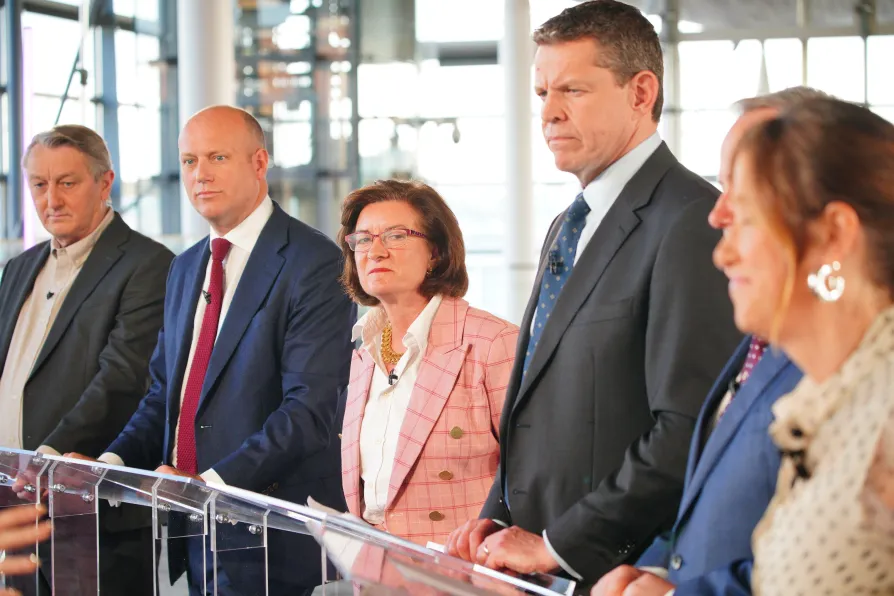
The election offers a critical chance to shape the future of pay, care and community provision in Wales, says Unison’s JESS TURNER
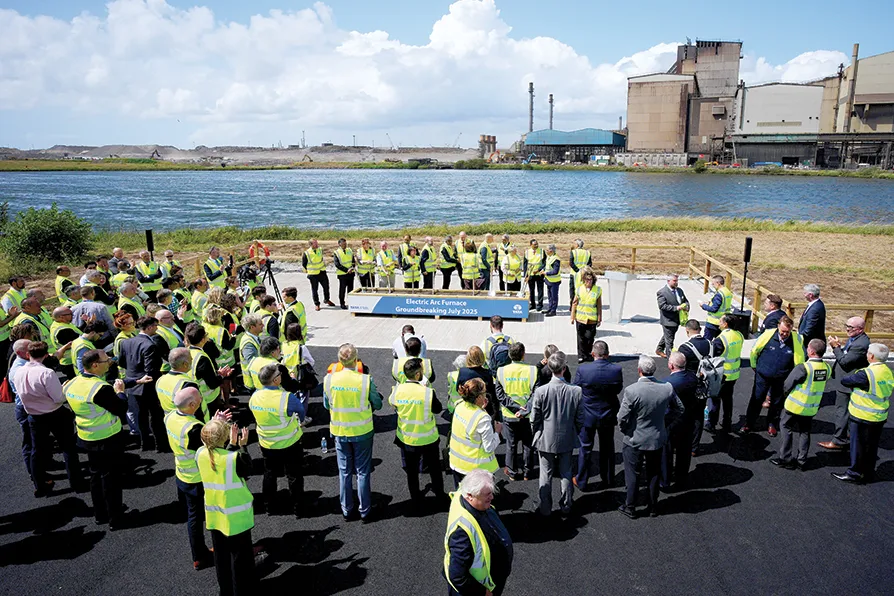
LUKE FLETCHER outlines Plaid Cymru bold plans for wide-ranging policy consultations with trade unions in Wales