Committee for the Defence of the Iranian People’s Rights general secretary GAWAIN LITTLE discusses the impact of the US-Israeli war on the Iranian people and economy


 Latest editorial

Potential for HIV cure beyond the state of the ART?
Medicine has long been able to guarantee HIV patients an almost normal life and now it can fully cure the virus too — but the treatment is not appropriate for all, explain ROX MIDDLETON, LIAM SHAW and JOEL HELLEWELL
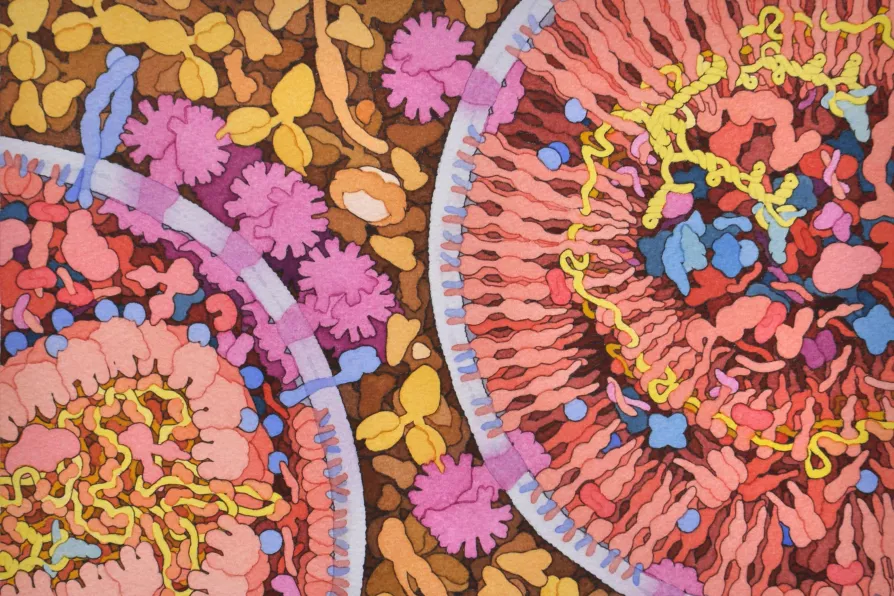 COMPLEX: Watercolour and ink on paper illustration of HIV maturation. After full assembled virus particles have been released from an infected target cell (usually CD4 T cells, a type of white blood cell found in the immune system), they undergo a process of maturation in order to become fully infectious viral particles.
[David S Goodsell / Welcome Collection / Creative Commons]
COMPLEX: Watercolour and ink on paper illustration of HIV maturation. After full assembled virus particles have been released from an infected target cell (usually CD4 T cells, a type of white blood cell found in the immune system), they undergo a process of maturation in order to become fully infectious viral particles.
[David S Goodsell / Welcome Collection / Creative Commons]

Capitalism has extracted itself from crisis before, argues PRABHAT PATNAIK – but through methods no longer available. So it is turning to authoritarianism, militarism and neocolonialism
The five young men killed in the A66 crash were responsible for a devastating tragedy — but the crash should force us to ask difficult questions about wider society, argues RENATA MEDEIROS MIRRA
Britain funds the policing of black culture 16 times better than the culture itself. The Diamond Jubilee is the moment to end that, argues CLAUDIA WEBBE
Despite Andy Burnham’s declaration defending the continued partition of the island, all major international and internal trends are converging to make Irish reunification inevitable
Humans are part of the ‘animal kingdom’ – and of nature in general – but also distinct from it and labour (work) is part of what makes us unique, declared Engels. His insights 150 years ago into how our species came to be and how we differ from the rest of nature, are as important today as they were then, says the MARX MEMORIAL LIBRARY





THE development of antiretroviral therapies (ART) has meant that, where available, people living with the human immunodeficiency virus (HIV) now have a normal life expectancy.
Yet despite this achievement, ART is not a cure for HIV and people living with HIV need to keep taking ART for the rest of their life to prevent the development of acquired immune deficiency syndrome (Aids).
As of this moment, two people have been — or at least appear to have been — completely cured of HIV infection, the virus was eradicated from their body and they no longer needed to take ART.

Similar stories
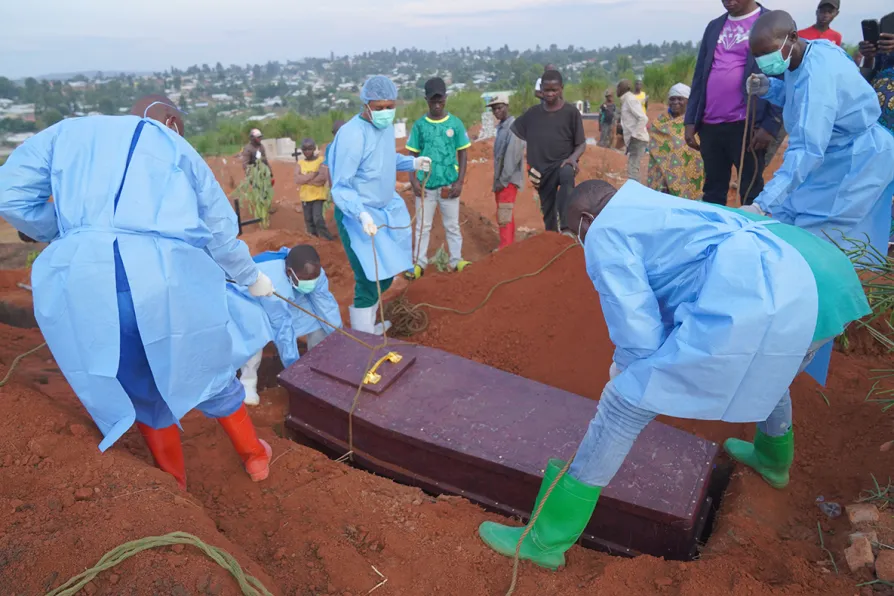
As thousands die in the eastern DRC, a global health emergency is being starved of funds, says S KRISHNASWAMY
![Meat [Pic: Cindie Hansen / Creative Commons]](https://msd11.gn.apc.org/sites/default/files/styles/desktop/public/2026-07/cindie-hansen-8IQlsHB2OS8-unsplash.jpg.webp?itok=AgeMqKnO)
Innovation in biotechnology is changing how we conceive of meat, say ROX MIDDLETON, LIAM SHAW and MIRIAM GAUNTLETT of SCIENCE AND SOCIETY
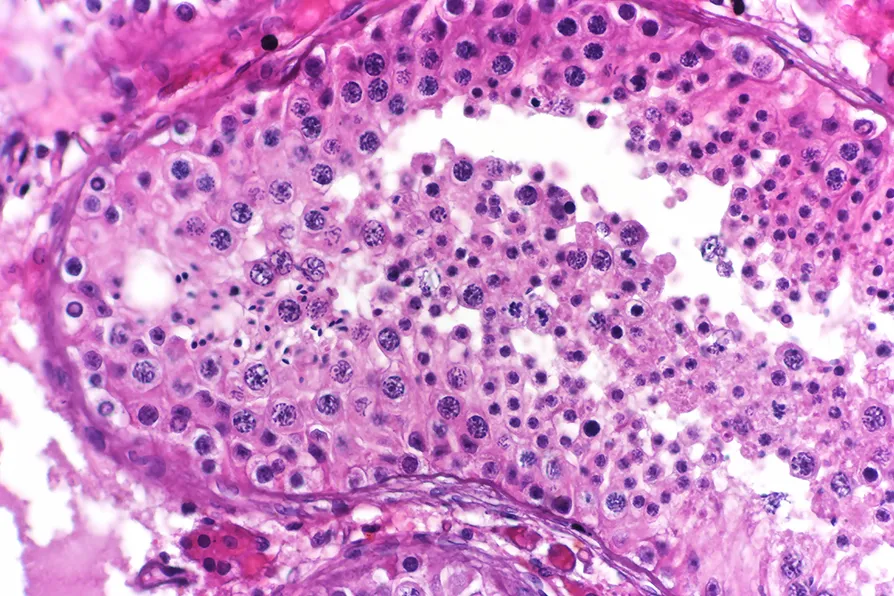
New research into mutations in sperm helps us better understand why they occur, while debunking a few myths in the process, write ROX MIDDLETON, LIAM SHAW and MIRIAM GAUNTLETT