Growing instability in the US economy and financial markets could have serious consequences worldwide because of the central role of the US dollar and financial system, argues MICHAEL BURKE


 Latest editorial

Credible strike threats: How workers can use them to build power
The severe undercounting of workers organising for strikes continues to skew the facts about the level of worker organising throughout the United States, says ROBERT OVETZ
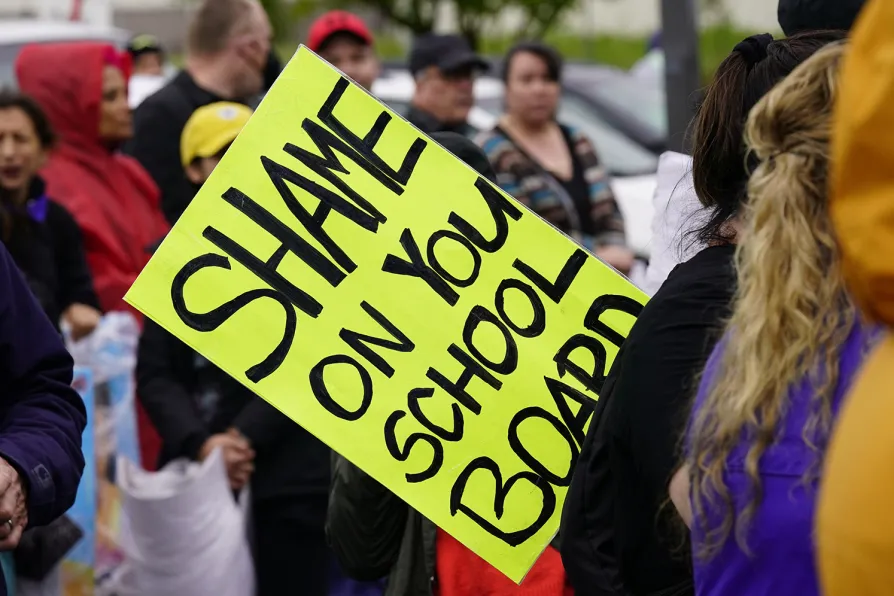 A large number of teachers, parents, students and supporters of a strike against the Sacramento Unified School District gather at Rosemont High School in Sacramento, California, March 28
Despite Andy Burnham’s declaration defending the continued partition of the island, all major international and internal trends are converging to make Irish reunification inevitable
The left needs a bold energy vision – because if it fails to provide one, others will shape the future in their own interests, argues ALAN SIMPSON
From Margate to Deal, mining memories are being kept alive. National co-ordinator for General Strike 100, HENRY FOWLER continued his nationwide tour of partner organisations in the Garden of England
Humans are part of the ‘animal kingdom’ – and of nature in general – but also distinct from it and labour (work) is part of what makes us unique, declared Engels. His insights 150 years ago into how our species came to be and how we differ from the rest of nature, are as important today as they were then, says the MARX MEMORIAL LIBRARY
Boxes of books, family photos and heirlooms, labour movement anniversaries, along with nostalgic memories of glorious childhood days on the Ayrshire coast still leave room for a wistful MATT KERR to hope for a better future





ABUNDANT attention was given to the increase in strikes in the US during “Striketober” and “Strikevember” last fall, catchy terms for months when many strikes were expected to occur.
They not only turned out less than impressive but were matched by the fact that at least as many workers were also involved in making credible strike threats.
What, exactly, is a credible strike threat? First, it has to be credible to the boss. The boss needs to know that the workers will take escalating actions leading to a strike, and that a supermajority of members have publicly committed to strike, have a strike fund, and have widespread public support.

Similar stories
RAMZY BAROUD and ROMANA RUBEO analyse how the US has consistently negotiated in bad faith to secure the element of surprise in military attack

The fatal shooting of Alex Pretti, a registered nurse and union member, has sparked nationwide protests and renewed calls from National Nurses United to dismantle Ice and related agencies, says MARK GRUENBERG

Plans to delay access to the universal credit health element until age 22 have triggered fierce opposition from disabled people’s groups, who warn it would deepen poverty and entrench discrimination against young disabled people under the guise of ‘encouraging work.’ DYLAN MURPHY reports

A US air strike in north-west Nigeria, publicly framed as a Christmas act of counterterrorism, reveals a deeper shift in how power is exercised in Africa, argues RAIS NEZA BONEZA