The new Prime Minister must abandon decades of automatic support for US foreign policy, which makes us all less safe, argues DIANE ABBOTT MP


 Latest editorial

Indian farmers assume their rightful place in history
For now, India’s food and agricultural raw material sources are still with farmers. It’s going to take ongoing global solidarity to keep it that way, says CLAUDIA WEBBE MP
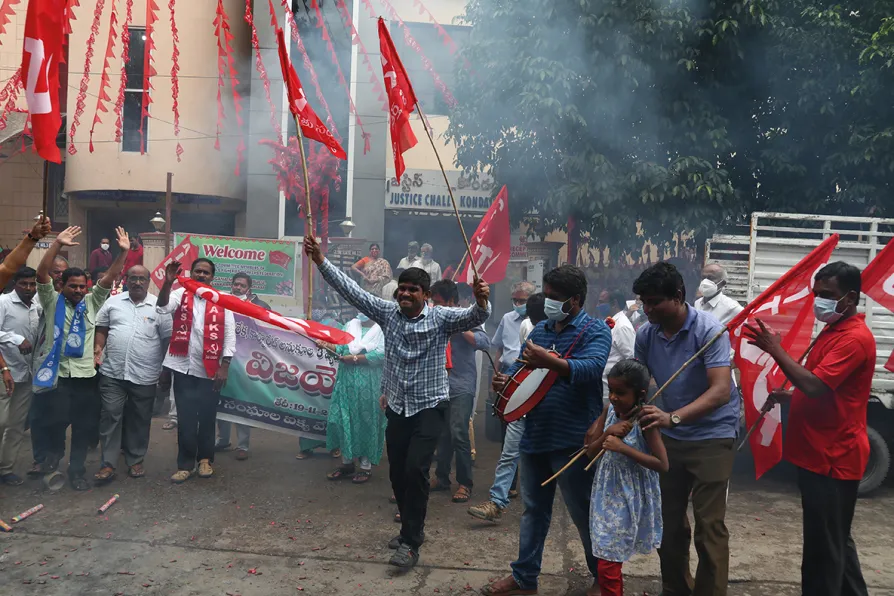 Farmers celebrate news of the repeal of farm laws they were protesting against, in Hyderabad, India
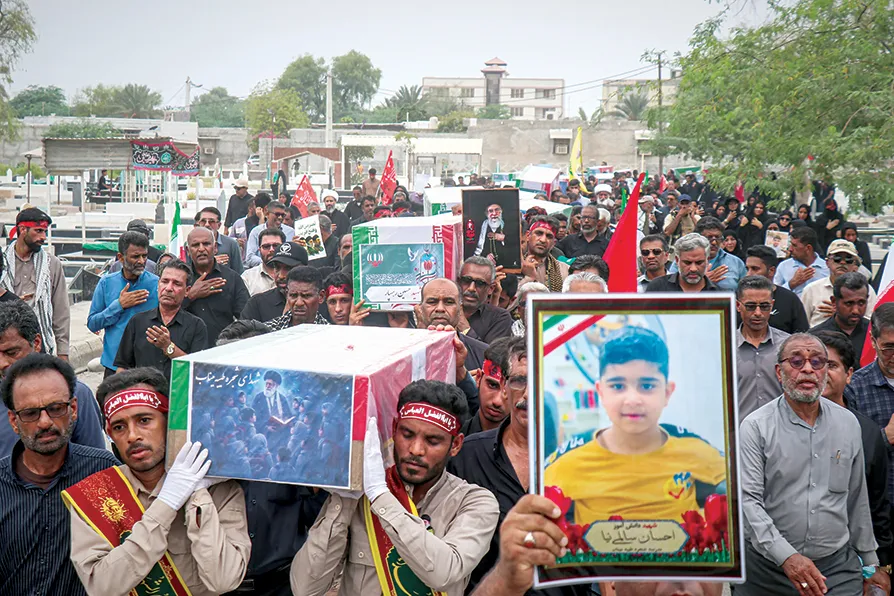
Media Lens at 25: David Cromwell and David Edwards reflect on a quarter-century of media criticism, explaining why independent journalism is more important than ever
by Weyman Bennett and Maz’s family
The International Court of Justice has delivered its clearest ruling yet that the right to strike is protected under international law, write Professor TONIA NOVITZ, Professor KEITH EWING and Lord JOHN HENDY KC
Emergency phone alerts could help Britain respond to rising wildfire risk, but Australia’s experience suggests they work best as part of a broader strategy, write ELLIOT CONVERY-FISHER and KATE PARKINS
A champion motorcyclist, trade union organiser and communist, Clem Beckett went from Britain’s speedway tracks to the battlefields of Spain, where he gave his life resisting Franco’s forces at Jarama. GEOFF BOTTOMS pays tribute to this remarkable anti-fascist





THIS month marked one year of the farmers’ protest in India, which is one of the largest popular movements in human history.
Unrest began in late November 2020 when over 250 million workers, including farmers, across India participated in a general strike in response to three new laws, established to advance the neoliberal agenda.
The contentious legislation was comprised of three Bills — the Farmers Produce Trade and Commerce Act, the Farmers Agreement of Price Assurance and Farm Services Act and the Essential Commodities Act.

Similar stories

The Met Police's refusal to act against British nationals accused of war crimes in Gaza is a green light for Israel's genocide, writes CLAUDIA WEBBE
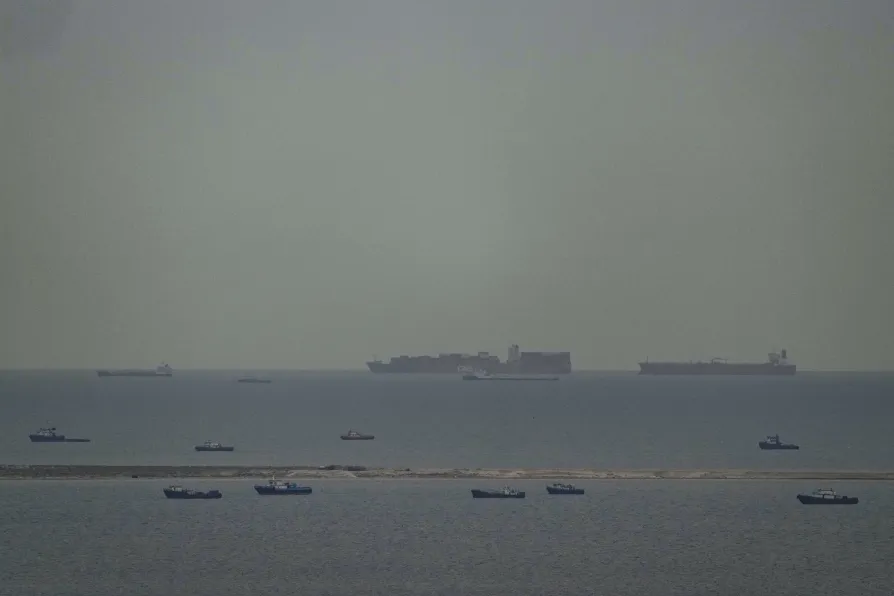
Fertiliser chaos triggered by Gulf conflict could send prices soaring and leave millions facing devastating hunger, writes DYLAN MURPHY
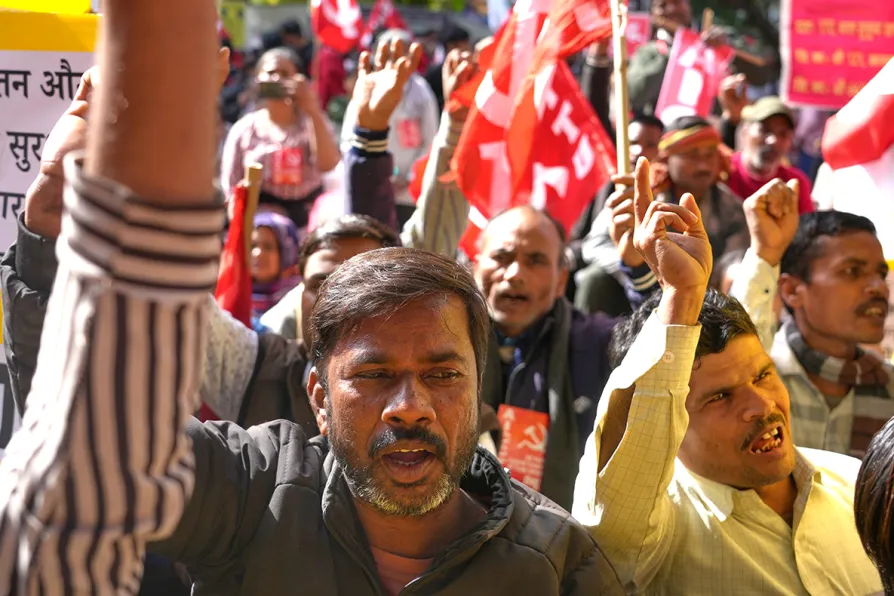
The biggest strike in global history is a template for our future. The silence tells you all you need to know, writes CLAUDIA WEBBE