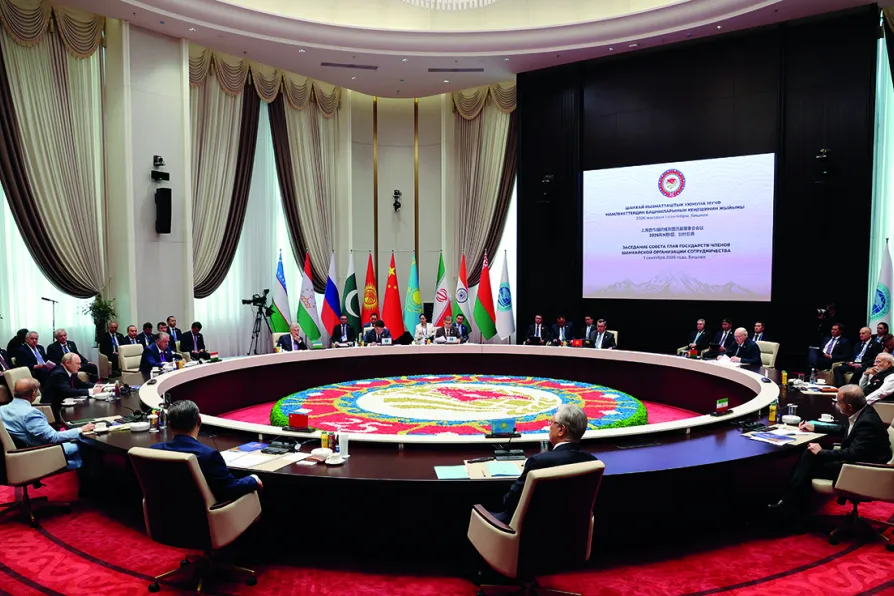
The 25th anniversary meeting of the Shanghai Co-operation Organisation in the Kyrgyz capital may offer a glimmer of hope that international relations do not need to be defined by endless confrontation, writes KENNY COYLE


 Latest editorial

Hard problems for soft robots
Machines have changed how we think about data. Will they make us think differently about matter, ask ROX MIDDLETON, LIAM SHAW and JOEL HELLEWELL
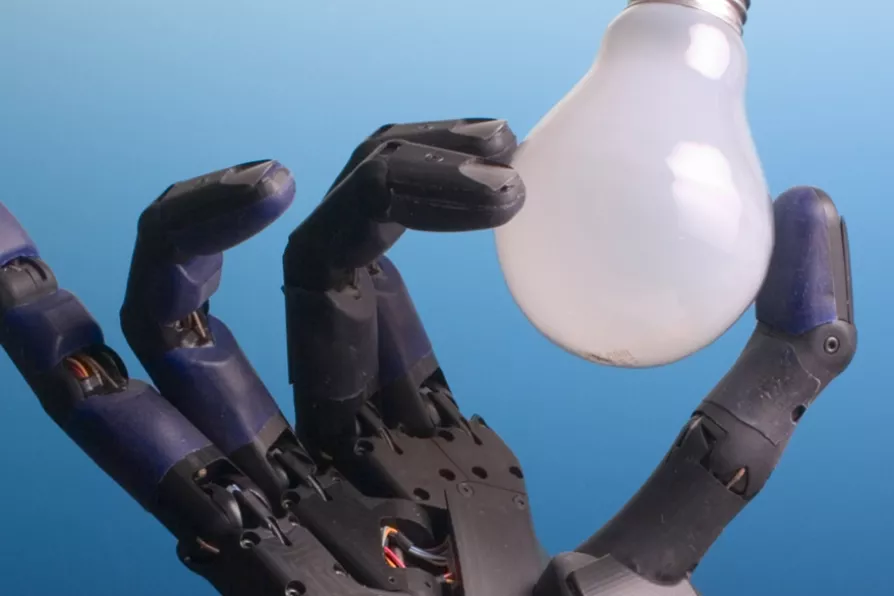 SOFT TOUCH: A Shadow Dexterous Robot Hand holding a lightbulb
[Richard Greenhill and Hugo Elias/Creative Commons]
SOFT TOUCH: A Shadow Dexterous Robot Hand holding a lightbulb
[Richard Greenhill and Hugo Elias/Creative Commons]
The artist, who has just died, is embedded in the subconscious of the Palestinian people
The five young men killed in the A66 crash were responsible for a devastating tragedy — but the crash should force us to ask difficult questions about wider society, argues RENATA MEDEIROS MIRRA
Britain funds the policing of black culture 16 times better than the culture itself. The Diamond Jubilee is the moment to end that, argues CLAUDIA WEBBE
Despite Andy Burnham’s declaration defending the continued partition of the island, all major international and internal trends are converging to make Irish reunification inevitable
Humans are part of the ‘animal kingdom’ – and of nature in general – but also distinct from it and labour (work) is part of what makes us unique, declared Engels. His insights 150 years ago into how our species came to be and how we differ from the rest of nature, are as important today as they were then, says the MARX MEMORIAL LIBRARY
Committee for the Defence of the Iranian People’s Rights general secretary GAWAIN LITTLE discusses the impact of the US-Israeli war on the Iranian people and economy





ROBOTS are here. They run our lives, they do our jobs, they find our soulmates, they persuade us what to listen to, how to spend our time and money, they teach us, they connect us to other people.
Your phone is a robot, your checkout is a robot, your smart speaker is a robot, your computer is a robot, your electronics are robots, using the internet means using robots to use other robots.
Perhaps calling all of these technologies “robots” is unnecessarily simplifying. It’s not how we imagined the future of machinery when the first automatons of the industrial revolution tumbled clanking and steaming into factories, or how robots were imagined in most visions of the future in sci-fi comics and films. And yet this is what we have made.

Similar stories
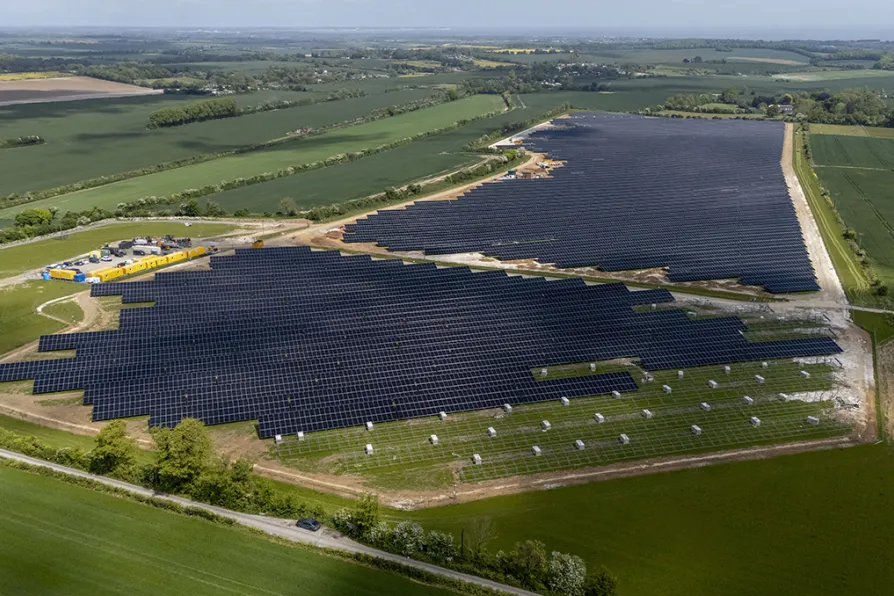
The left needs a bold energy vision – because if it fails to provide one, others will shape the future in their own interests, argues ALAN SIMPSON
In the second and final part of his article MIKE SCOTT posits that if we don’t control AI while we’ve got the chance, we could be signing the death warrant for our children and grandchildren

MIKE SCOTT assesses the AI threat to jobs in the first of a pair of articles on the problems it poses
Neutrinos are so abundant that 400 trillion pass through your body every second. ROX MIDDLETON, LIAM SHAW and MIRIAM GAUNTLETT explain how scientists are seeking to know more about them