While riding the No 3 bus in Glasgow MATT KERR has ample time to dissect the moribund Scottish Labour decline into near oblivion and watch intriguing bus passenger dynamics


 Latest editorial

Erasure v sumud: how the Nakba came to define the collective Palestinian identity
RAMZY BAROUD argues that the Nakba is not a single historical incident to be debated or bargained over — it is an injustice that continues to this day, and continues to unite all Palestinians
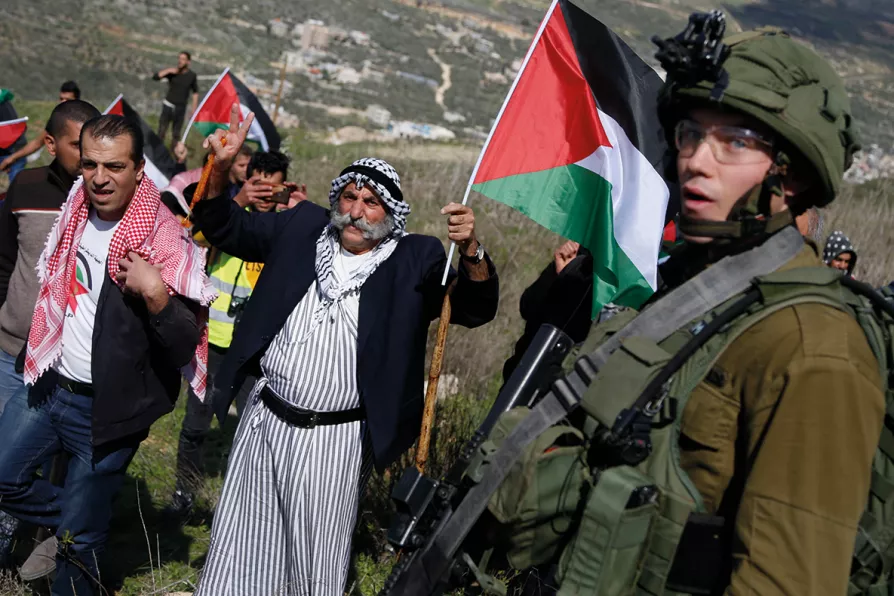 SUMUD: Unarmed Palestinians face down IDF soldiers close to the Jewish settlement Yitzhar, near the West Bank city of Nablus, February 2020

The best wildfire service may begin with the community, argues KOMAL RAJ ARYAL
Dignity is important to all humans, argues the Marx Memorial Library and Workers’ School, but it does not come about automatically. In a less than perfect world, dignity can accompany suffering, but the collective dignity of working people is achieved through acting together to change the world.
The US aim to reshape the existing order in the Middle East needs to be resolutely resisted, argues PAYAM SOLHTALAB
Concessions to Washington by the post-Maduro leadership in Caracas are designed to preserve the core of the Bolivarian Revolution not betray it, argue Roger D Harris, Francisco Dominguez and Mara Paez Victor. How the solidarity movement responds is critical
ALMA EGAN suggests four days out that bring the region’s history of protest to life





ON May 15, 2023, the Palestinian Nakba — “catastrophe” — will be 75 years old. Palestinians all over the world will commemorate the tragic occasion when nearly 800,000 Palestinians were made refugees and nearly 500 towns and villages were ethnically cleansed of their inhabitants in historic Palestine in 1947-48.
The depopulation of Palestine carried on for months – in fact, years – after the Nakba was supposedly concluded. But the Nakba has never actually concluded. Until this day, Palestinian communities in East Jerusalem, in the southern Hebron hills, in the Naqab Desert and elsewhere, are still suffering the consequences of Israel’s quest for demographic supremacy. And, of course, millions of refugees remain stateless, denied basic political and human rights.
In a speech before the UN World Conference against Racism in 2001, Palestinian intellectual Dr Hanan Ashrawi aptly described the Palestinian people as “a nation in captivity held hostage to an ongoing Nakba.”

Similar stories
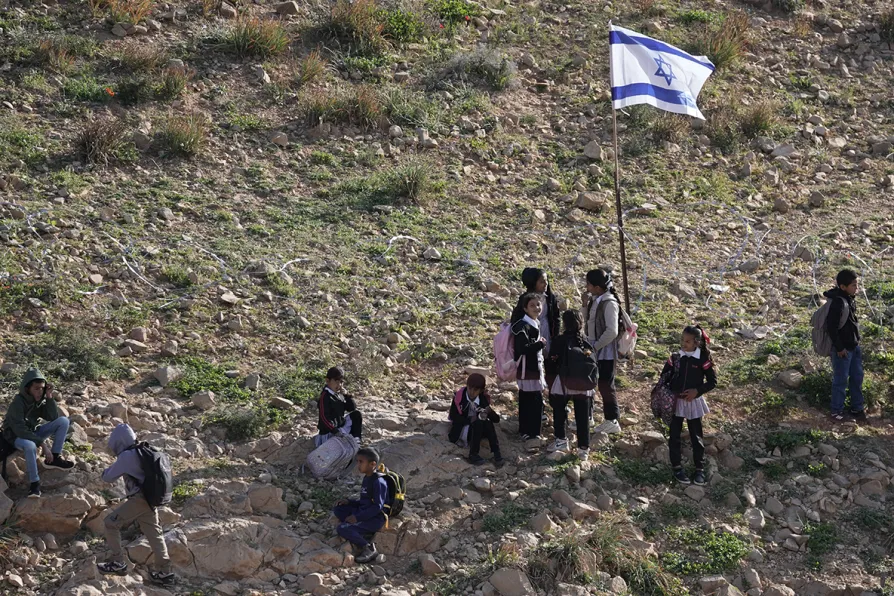
Bezalel Smotrich’s measures to extend Israeli property law into the West Bank are a continuation of a decades-long project to dispossess Palestinians and preclude statehood, argues HUGH LANNING

RAMZY BAROUD looks at how Western media are being forced to kowtow to the Establishment’s war narratives
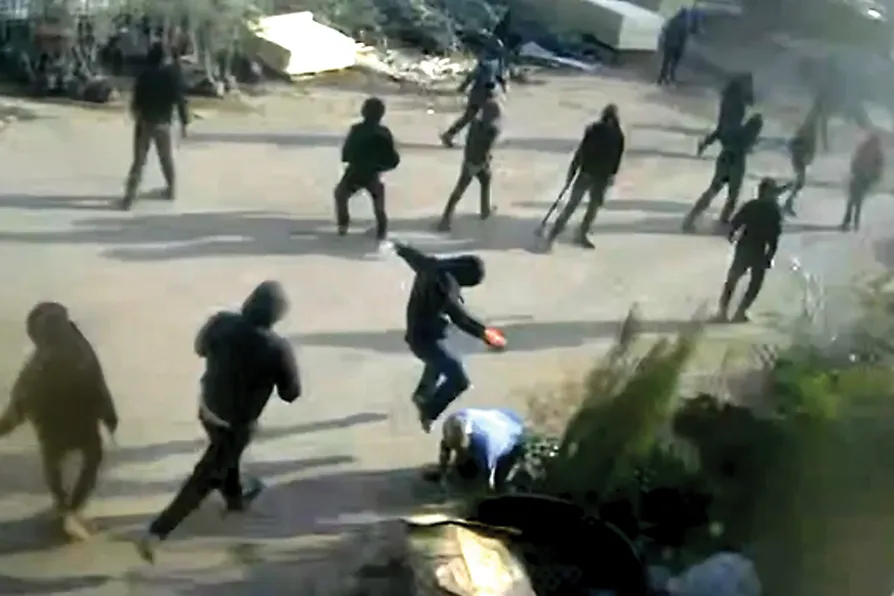
RAMZY BAROUD looks at how entire West Bank communities have been shattered, their social and physical fabric deliberately dismantled by Israel to enable its formal annexation
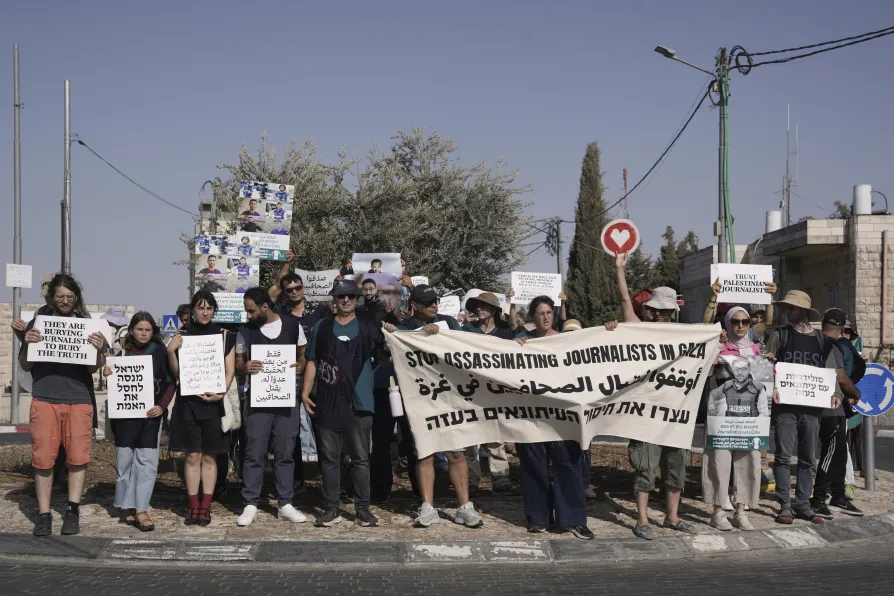
With foreign media banned from Gaza, Palestinians themselves have reversed most of zionism’s century-long propaganda gains in just two years — this is why Israel has killed 270 journalists since October 2023, explains RAMZY BAROUD