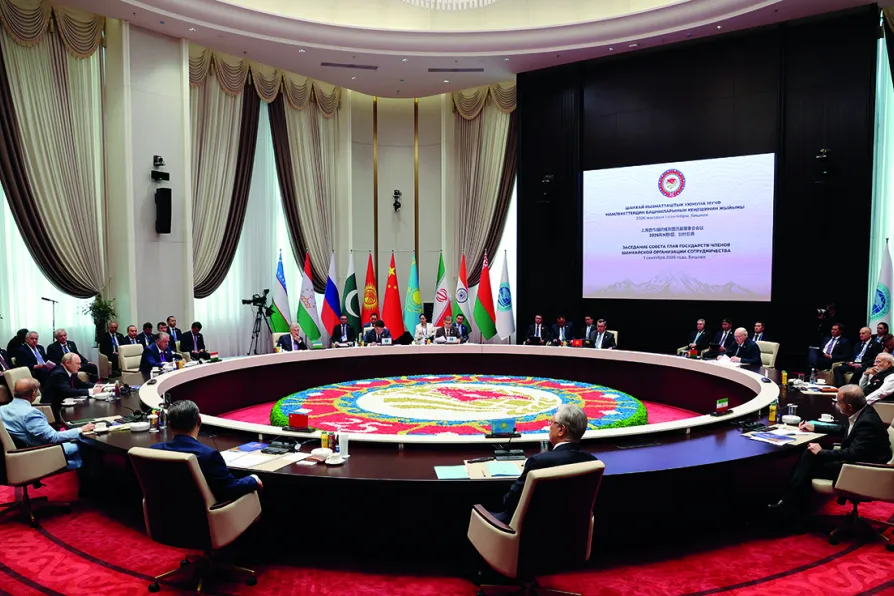
The 25th anniversary meeting of the Shanghai Co-operation Organisation in the Kyrgyz capital may offer a glimmer of hope that international relations do not need to be defined by endless confrontation, writes KENNY COYLE


 Latest editorial

Is the coronavirus becoming ‘less deadly’?
In a rapidly changing situation for measuring, monitoring and intervention, can we ever compare the rate of the viral infection now with how it was in March? Ask ROX MIDDLETON, LIAM SHAW and JOEL HELLEWELL
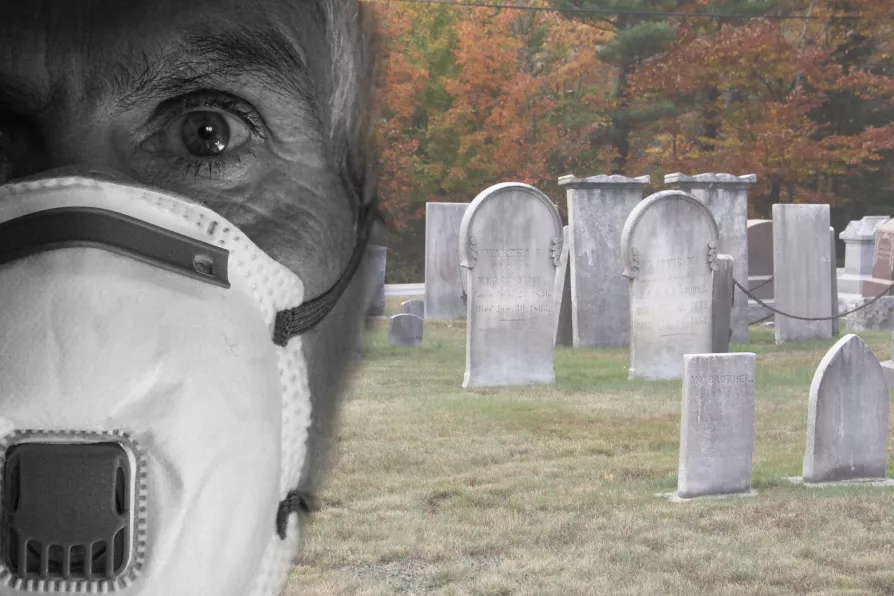 While it might be reassuring to believe that the coronavirus is becoming less deadly, any apparent decline in the number of infected dying is due to a change record keeping, not the death rate
The artist, who has just died, is embedded in the subconscious of the Palestinian people
The five young men killed in the A66 crash were responsible for a devastating tragedy — but the crash should force us to ask difficult questions about wider society, argues RENATA MEDEIROS MIRRA
Britain funds the policing of black culture 16 times better than the culture itself. The Diamond Jubilee is the moment to end that, argues CLAUDIA WEBBE
Despite Andy Burnham’s declaration defending the continued partition of the island, all major international and internal trends are converging to make Irish reunification inevitable
Humans are part of the ‘animal kingdom’ – and of nature in general – but also distinct from it and labour (work) is part of what makes us unique, declared Engels. His insights 150 years ago into how our species came to be and how we differ from the rest of nature, are as important today as they were then, says the MARX MEMORIAL LIBRARY
Committee for the Defence of the Iranian People’s Rights general secretary GAWAIN LITTLE discusses the impact of the US-Israeli war on the Iranian people and economy





OVER the course of the Covid-19 outbreak in Britain many people have been following the charts plotting confirmed cases and deaths over time. We look to these graphs to get a sense of what the outbreak is doing and how well we have it under control.
One thing some people have begun to question is an apparent discrepancy between the numbers of confirmed cases and the numbers of deaths that accompany them.
For example, between March 1 and the April 1 this year, the government Covid-19 dashboard reports that in Britain there were 139,065 confirmed cases and 24,046 deaths. In comparison, between the September 1 and October 1, there have been 134,538 confirmed cases but only 711 deaths.

Similar stories
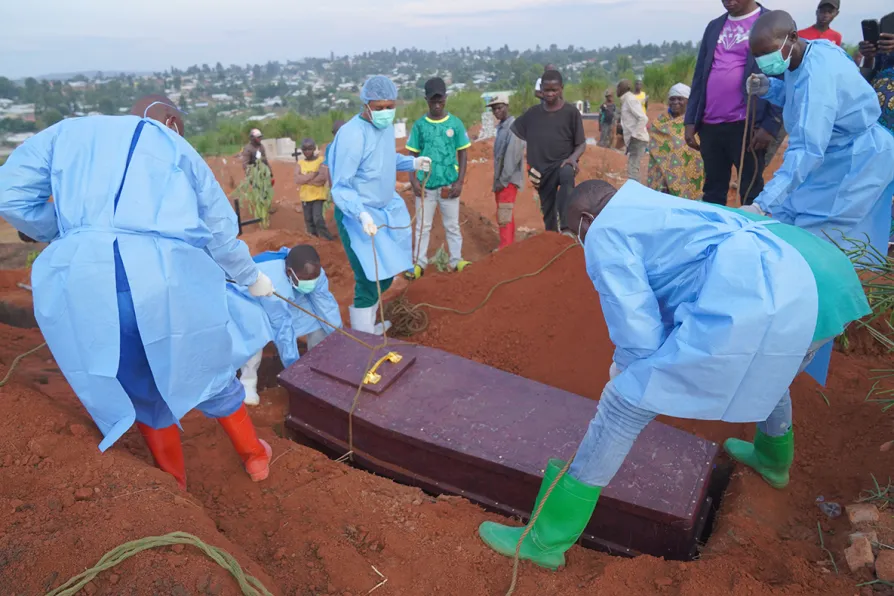
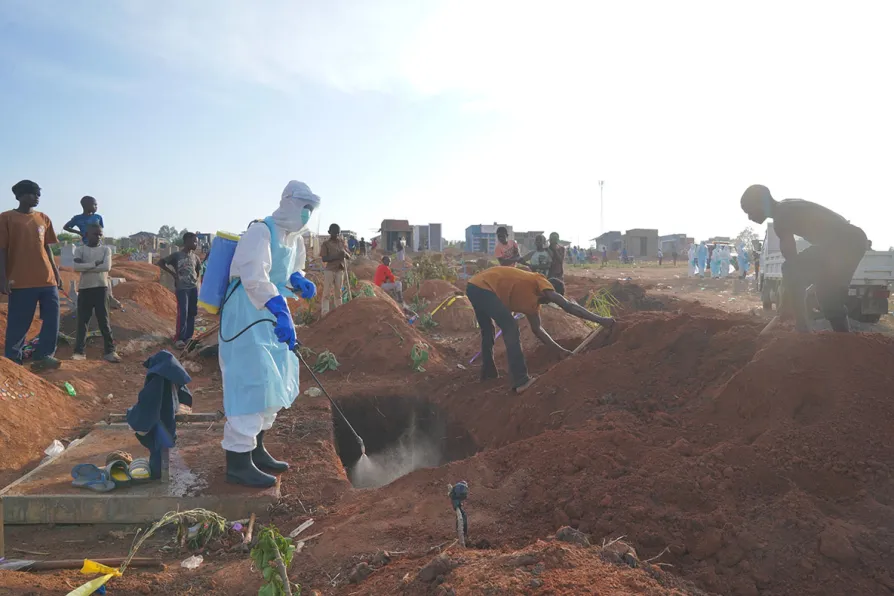
As thousands die in the eastern DRC, a global health emergency is being starved of funds, says S KRISHNASWAMY

With more people dying each year and many spending their final days in institutions, researchers argue that wider access to palliative care could offer a more humane and cost-effective alternative, write ROX MIDDLETON, LIAM SHAW and MIRIAM GAUNTLETT