Committee for the Defence of the Iranian People’s Rights general secretary GAWAIN LITTLE discusses the impact of the US-Israeli war on the Iranian people and economy


 Latest editorial

Can Tory travails be turned to the left's advantage in our post-Brexit, post-Corbyn landscape?
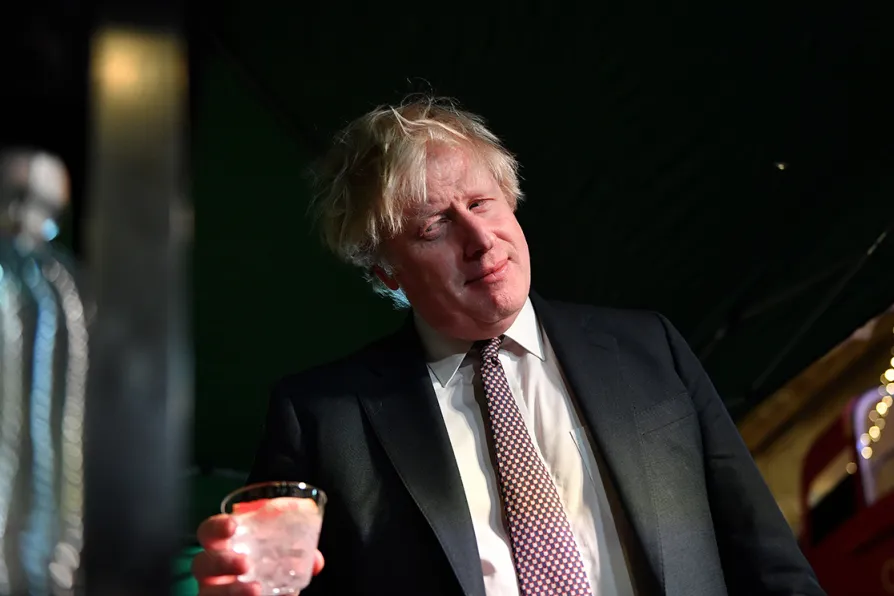 Prime Minister Boris Johnson samples an Isle of Harris Gin as he visits a UK Food and Drinks market which has been set up in Downing Street, London

Capitalism has extracted itself from crisis before, argues PRABHAT PATNAIK – but through methods no longer available. So it is turning to authoritarianism, militarism and neocolonialism
The five young men killed in the A66 crash were responsible for a devastating tragedy — but the crash should force us to ask difficult questions about wider society, argues RENATA MEDEIROS MIRRA
Britain funds the policing of black culture 16 times better than the culture itself. The Diamond Jubilee is the moment to end that, argues CLAUDIA WEBBE
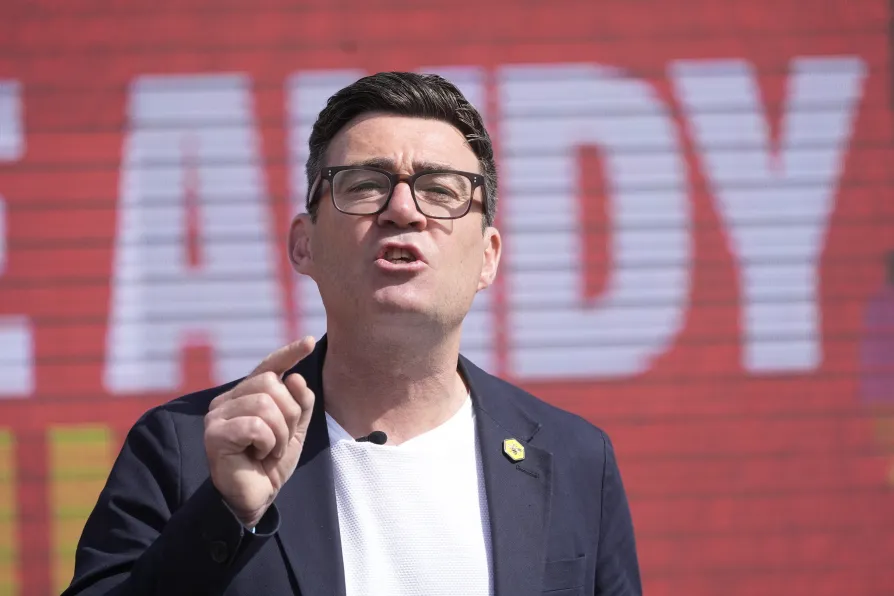
Despite Andy Burnham’s declaration defending the continued partition of the island, all major international and internal trends are converging to make Irish reunification inevitable
Humans are part of the ‘animal kingdom’ – and of nature in general – but also distinct from it and labour (work) is part of what makes us unique, declared Engels. His insights 150 years ago into how our species came to be and how we differ from the rest of nature, are as important today as they were then, says the MARX MEMORIAL LIBRARY





LABOUR lost the last election in England.
The Brexit drama — Labour’s capitulation to the second referendum con-trick, and the party’s consequent alienation of much of its working-class electoral base, north and south, allowed Britain’s undemocratic election system to gift a purged and repurposed Tories a seemingly impregnable 80-seat majority.
Jeremy Corbyn’s near miss in 2017 saw the steepest and most substantial rise in Labour support and produced the second highest Labour vote ever. Two years later, a 2.4 per cent Tory majority in votes saw Labour lose a fifth of its seats. In both cases the decisive shift was in England while Labour’s position in Scotland was long gone and shows little sign of renewal despite the dent Corbyn made in the SNP position in 2017.

Similar stories

Once again, our broad-based coalition outnumbered the anti-migrant protest in Faversham, but tackling the sentiment behind this wave of anger requires explaining the real reasons pushing millions into leaving their homelands, argues NICK WRIGHT