The 25th anniversary meeting of the Shanghai Co-operation Organisation in the Kyrgyz capital may offer a glimmer of hope that international relations do not need to be defined by endless confrontation, writes KENNY COYLE


 Latest editorial

Bananas, as we know them, are doomed
Because all the bananas we eat are clones of each other, they are susceptible to being wiped out by a single disease - putting crops and jobs at risk, explain ROX MIDDLETON, LIAM SHAW and JOEL HELLEWELL
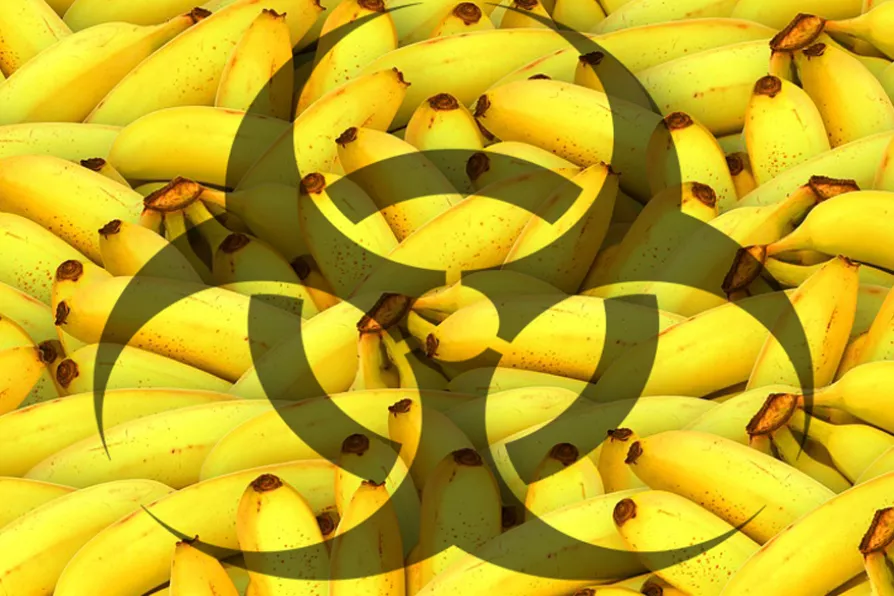 Bananas are propagated by making clones with close to zero genetic diversity. This makes every banana plantation highly susceptible to the same fungal and viral diseases.

The artist, who has just died, is embedded in the subconscious of the Palestinian people
The five young men killed in the A66 crash were responsible for a devastating tragedy — but the crash should force us to ask difficult questions about wider society, argues RENATA MEDEIROS MIRRA
Britain funds the policing of black culture 16 times better than the culture itself. The Diamond Jubilee is the moment to end that, argues CLAUDIA WEBBE
Despite Andy Burnham’s declaration defending the continued partition of the island, all major international and internal trends are converging to make Irish reunification inevitable
Humans are part of the ‘animal kingdom’ – and of nature in general – but also distinct from it and labour (work) is part of what makes us unique, declared Engels. His insights 150 years ago into how our species came to be and how we differ from the rest of nature, are as important today as they were then, says the MARX MEMORIAL LIBRARY
Committee for the Defence of the Iranian People’s Rights general secretary GAWAIN LITTLE discusses the impact of the US-Israeli war on the Iranian people and economy





EVERY year we in Britain are eating more bananas, and paying less for them. Despite the huge distance and technical expertise required to bring bananas halfway across the globe from plantation to palate in perfect freshness, they are cheaper than apples.
And yet, their cultivation and distribution has always been threatened by a fear of mass failure.
Although hundreds of varieties of bananas and plantains exist across the world, exported bananas are dominated by just one cultivar: the Cavendish.

Similar stories

There is a determined effort to reverse the diplomatic gains of the Palestinians, despite the shift in worldwide global opinion. Solidarity demands no return to business as usual, argues Ramzy Baroud
![Meat [Pic: Cindie Hansen / Creative Commons]](https://msd11.gn.apc.org/sites/default/files/styles/desktop/public/2026-07/cindie-hansen-8IQlsHB2OS8-unsplash.jpg.webp?itok=AgeMqKnO)
Innovation in biotechnology is changing how we conceive of meat, say ROX MIDDLETON, LIAM SHAW and MIRIAM GAUNTLETT of SCIENCE AND SOCIETY
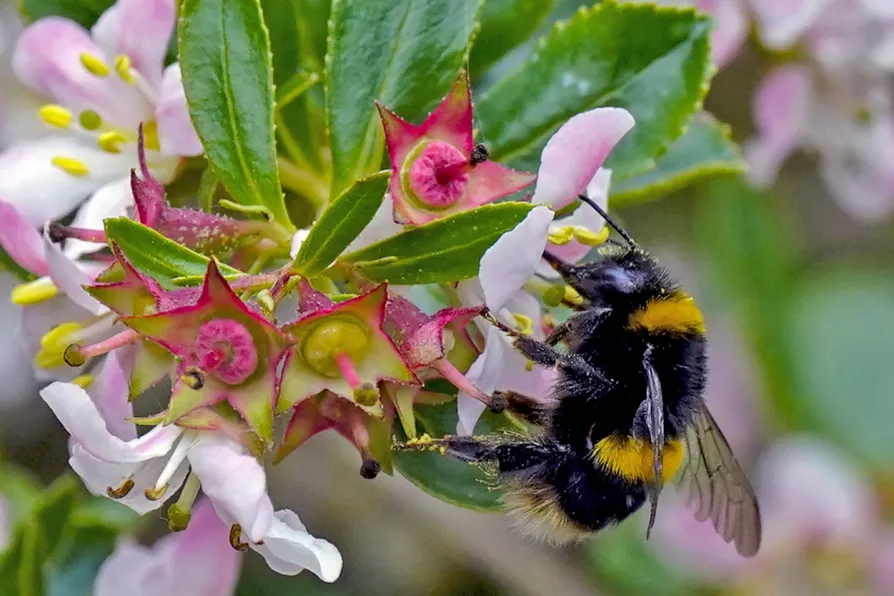
Rising temperatures and human activity are making life far harder for these vital pollinators. ALEX DITTRICH explains
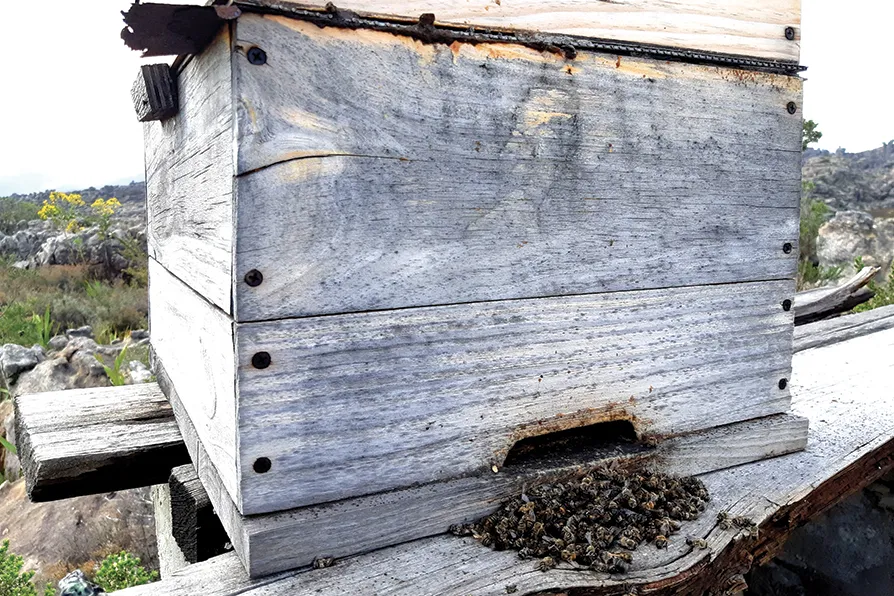
The West’s dangerous pesticide dumping in Africa is threatening biodiversity, population health and food sovereignty, argues ROGER McKENZIE