New releases by Interpol, Phoebe Bridgers, Lambchop


 Latest editorial

Cannes Film Festival Round Up 2026
RITA DI SANTO takes us through the prize winners, and takes the temperature of a festival that prioritised narratives of exile, state violence and class division
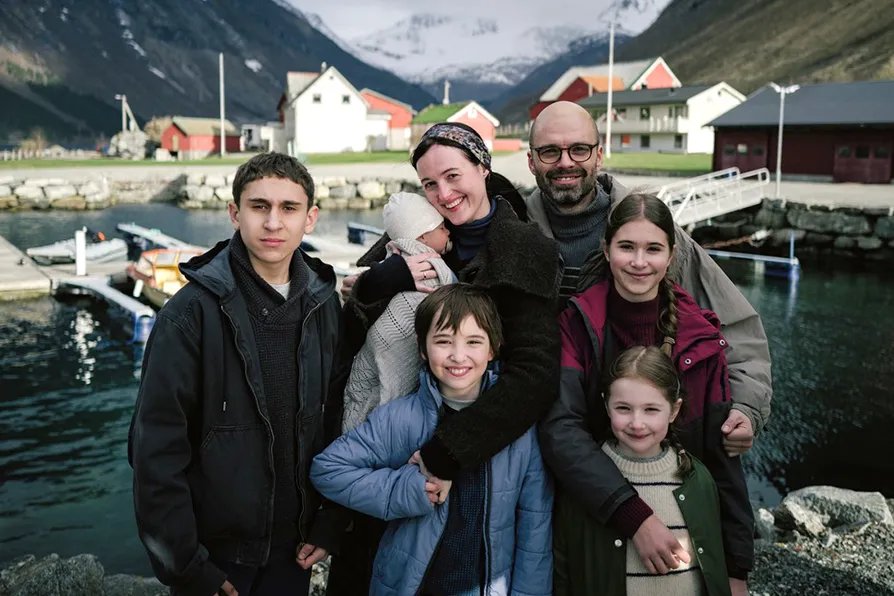 CULTURAL ALIENATION: Sebastian Stan and Renate Reinsve in Cristian Mungiu's Fjord [Pic: IMDb]
ANGUS REID urges us to understand the persecution of Jason Arday from a political and historical perspective, and to see the victim in human terms
Re-releases of the classics Gypsy Rhumba and Buena Vista Social Club, and a stunning album by Palestinian artist Faris Ishaq
Nothing, says ANDY HEDGECOCK, can rescue this undistinguished amalgam of ponderous melodrama and shallow philosophical speculation
JAMIE BRITTON invites readers to visit 3,500 locals as part of a marathon artistic pub crawl
JOHN GREEN welcomes a valuable and incisive analysis of a world become hyperpolitical but without the mass movement institutions to represent it





ROMANIAN director Cristian Mungiu has won his second Palm D’Or for his seventh film Fjord. In his film Mungiu strips away the idyllic facade and takes a hard look at a coastal community ensnared by isolation and coercion.
The narrative follows a Romanian couple who relocate to a village in western Norway in pursuit of better job opportunities and a brighter future for their five children. As the family befriends a neighbouring Norwegian family, their children grow close; however, a suspicion of child abuse from a schoolteacher threatens to tear the community apart.
The children are at risk of being taken away and placed in foster care by Norway’s Barnevernet child services agency while an investigation is conducted, which includes their baby, who Lisbeth is still breastfeeding.
Mihai, the father, exhibits an authoritarian side and confesses to investigators that he occasionally slaps his children, though he asserts that he never actually “hits” them. Additionally, the couple face accusations of denying their children mobile phones and access to YouTube. What unfolds is a slow procedural exposé of a justice system that is inevitably also a cultural construct.
The story is based on real events, presented in multiple languages (English, Norwegian, Romanian), and filmed primarily around Alesund. Mungiu constructs the narrative like a legal thriller that evolves into a moral autopsy, cold and clinical, bringing to light the pressures of institutions and cultural alienation. It explores how both community and state can turn against individuals and examines the limits of freedom and trust.
With no easy answers or tidy conclusions, Mungiu refuses to look away from the harsh realities presented. This film stands as one of his finest works, and the Cannes jury similarly chose to confront the uncomfortable truths, opting to reward authenticity over comfort.
Minotaur by Andrey Zvyagintsev won the second prize, the Grand Prix. Set in Russia, 2022, it follows a company director who discovers his wife’s affair while the state demands he send 14 employees to war.
Zvyagintsev has consistently intertwined the personal with the political. In this film, the myth becomes literal: 14 sacrifices for the Minotaur, the beast residing within each of us. It serves as an allegory for the corruption of the nation’s soul.
The film draws inspiration from Claude Chabrol’s La Femme Infidele, which also influenced Adrian Lyne’s film, Unfaithful. Due to its critical perspective on Putinism, Minotaur was filmed in Latvia, as a stand-in for Russia. Although the setting is modern Russia, the themes resonate universally, applicable to any country grappling with systemic corruption. The film is slow, quiet and devastating.
Pawel Pawlikowski’s Fatherland received the Best Director prize, delivering a quieter yet impactful narrative. In just 80 minutes of black-and-white film, Sandra Huller and Hanns Zischler portray Erika and Thomas Mann as they return to Germany in 1949. The film uses their homecoming to delve into complex questions of complicity, exile and the role of intellectual elites in shaping a nation’s trajectory post-fascism. There are no grand speeches; instead, the film offers a stark clarity regarding how easily societies can revert to old hierarchies if the process of reckoning remains incomplete.
The 79th Cannes Film Festival has notably leaned away from Hollywood glitz, focusing instead on films that probe into themes of memory, power and resistance. Among these, several remarkable works emerged.
Hungarian director Laszlo Nemes returned to Cannes with Moulin, a claustrophobic reconstruction of the final 10 days of Jean Moulin, the architect of the French Resistance. Confined in a room with Klaus Barbie, the Gestapo officer infamously known as the “Butcher of Lyon,”
Moulin’s narrative shifts from heroism to the grim reality of what occurs when the state institutionalises torture. Nemes dismantles the myth to reveal resistance as a painful process of choice and consequence. The film is brutal, deliberate and strikingly relevant at a time when the divide between democracy and authoritarianism appears alarmingly narrow.
In a different vein, the Un Certain Regard section showcased Jordan Firstman’s Club Kid, set against the backdrop of Brooklyn’s queer nightlife in 2016. The film follows a party promoter who is compelled to confront fatherhood and his own drifting identity upon the unexpected return of his estranged son. It is a messy, humorous and unsentimental exploration of class precarity and the price of seeking visibility.
Additionally, Volker Schlondorff’s Visitation traced the history of a lake house in Germany through Nazism, war, and the compromises of East German communism, while Ryusuke Hamaguchi’s All Of A Sudden allowed language and class tensions to unfold over a three-hour conversation.
This year’s Cannes stood out for its commitment to avoiding mere spectacle. Throughout the programme, the selection prioritised narratives of exile, state violence and class division, all while maintaining a raw edge. The awards echoed this sentiment, honouring films that engage with politics as a lived experience rather than a mere backdrop. Cannes has gifted us with films that assert that history is far from over, and that the voices telling it remain critically important.

Similar stories
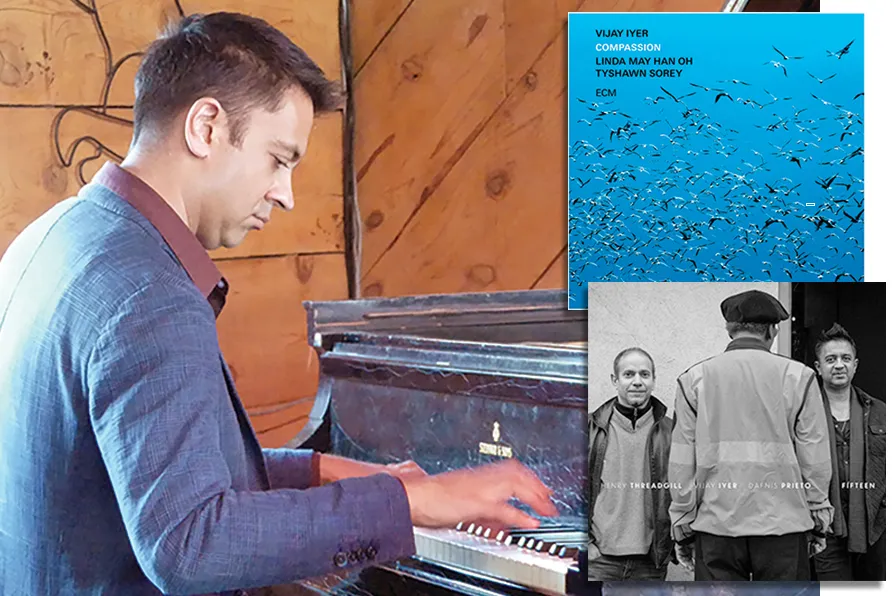
CHRIS SEARLE urges you to listen to two new albums by the US Indian pianist VIJAY IYER
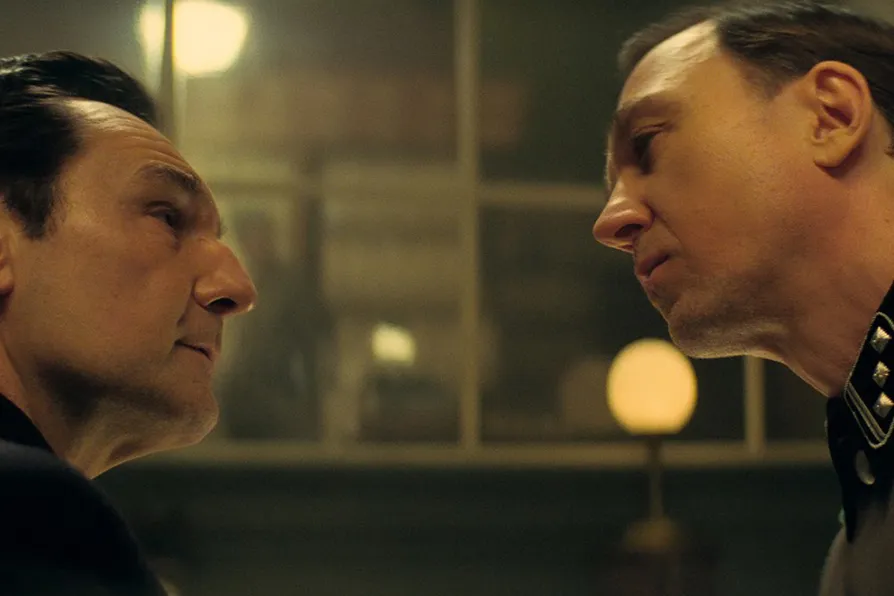
Rita Di Santo speaks to Hungarian director LASZLO NEMES about his new film, a portrait of the French Resistance leader and hero, Jean Moulin
SETH SANDRONSKY recommends a production that looks back at the political Tinseltown in the mid-1970s when US cinema ‘didn’t pander to trends’
LEO BOIX, ANDY HEDGECOCK and MARIA DUARTE review Dreamers, It Was Just An Accident, Folktales, and Eternity