
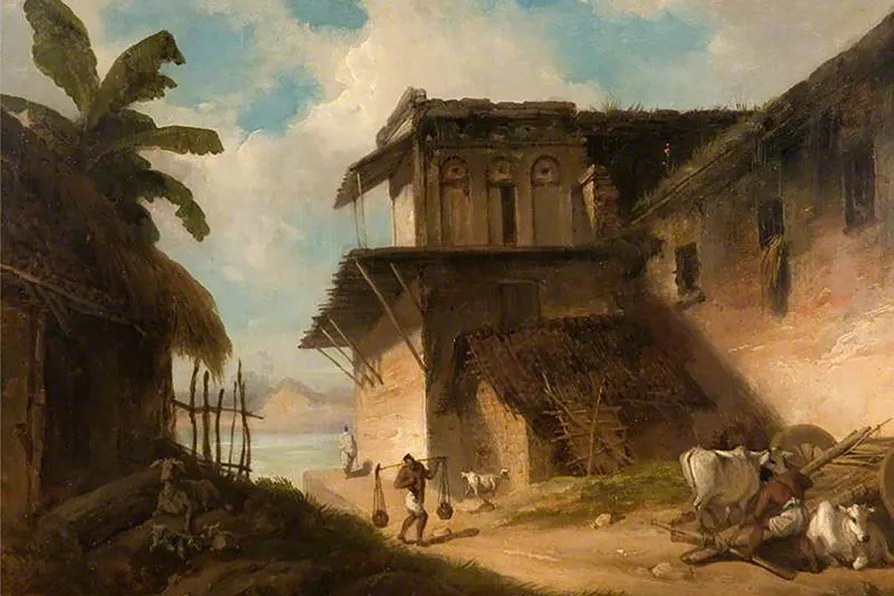
APURBA CHATTERJEE explains how British artists in India used the “picturesque” to reshape colonial landscapes and celebrate imperial power


Rebel seeking a cause
CHRISTINE LINDEY sees a retrospective of Eileen Agar's work which reflects her lifelong quest for a non-conformist art
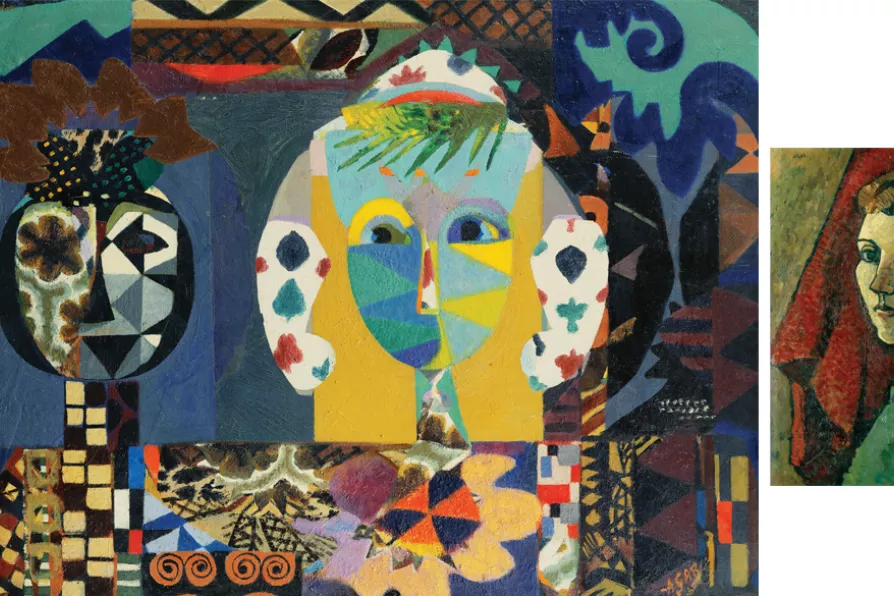
 NOTABLE: (Left) Alice with Lewis Carroll, 1961 and (right) Eileen Agar, 1927
PAUL DONOVAN welcomes a revival of Reginald Rose’s classic play that reminds us of the fundamental need for trials with juries
SIMON PARSONS applauds an exceptional performance of Wesker’s little-known play, by the same actor for whom it was written 45 years ago
ANDY HEDGECOCK and MARIA DUARTE review Late Fame, The Death of Robin Hood, Leviticus, and Gail Daughtry and the Celebrity Sex Pass
ANGUS REID recommends a uniquely accomplished documentary collage that contemplates our relation to the natural world
GORDON PARSONS enjoys Kant’s ‘mind-boggling’ theory of human reality: that we create the reality we experience





Eileen Agar: Angel of Anarchy
Whitechapel Gallery, London
“LIFE’S meaning is lost without the spirit of play. In play, the mind is prepared to accept the unimagined and incredible, to enter a world where different laws apply, to be free, unfettered and divine.”
That was what Eileen Agar (1899-1991) believed and this fierce desire for freedom motivated her art. Her last wish was “to die in a sparkling moment.” A handsome woman, with a sense of entitlement, she succeeded in “sparkling” socially but unfortunately much of her work lacks the very sense of lightness and amusement which she rated so highly.
Born in Buenos Aires in 1899 to a Scottish industrialist and an American heiress to a biscuit manufacturer, Agar led a privileged life. After attending English boarding schools, she was “finished” in France before studying at London’s prestigious Slade School of Art.

Similar stories
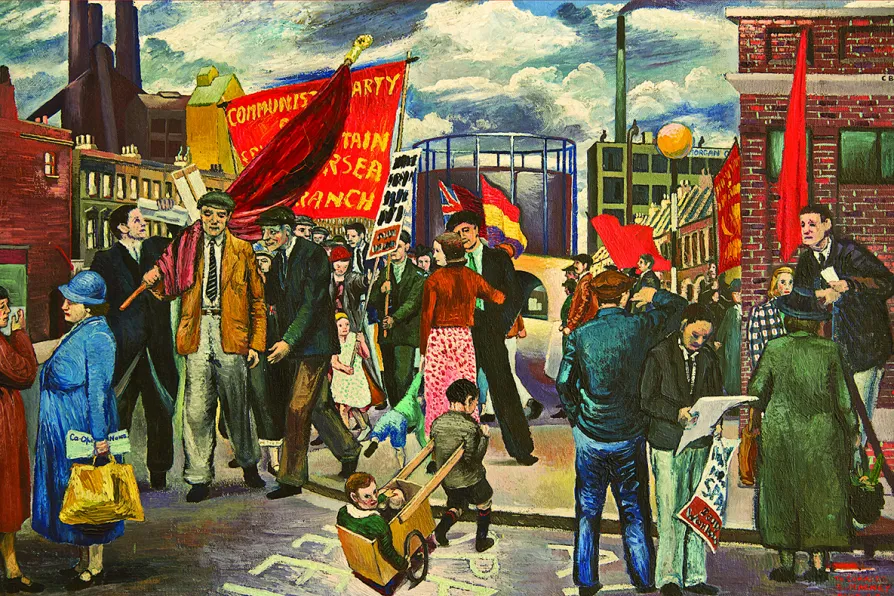
JIM JUMP describes how artists in Britain rallied to the anti-fascist cause
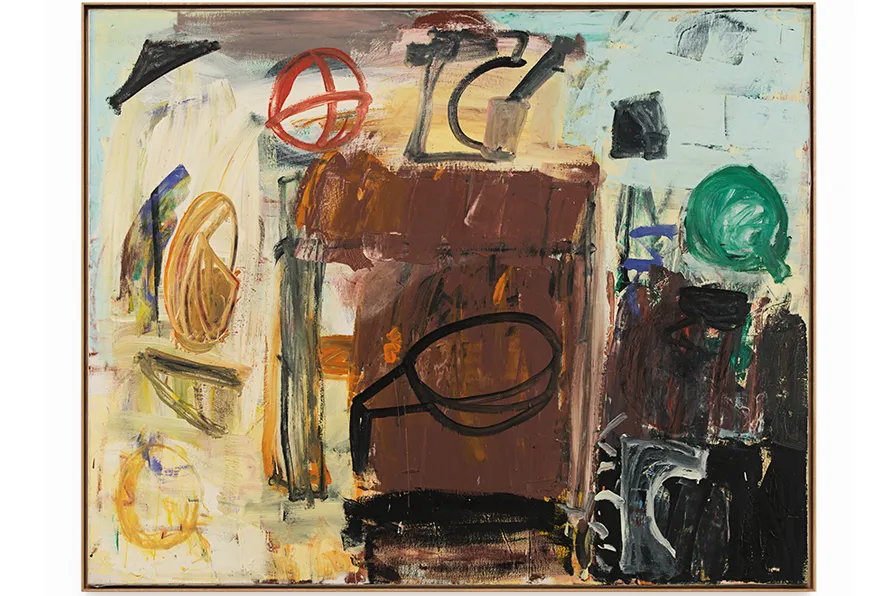
MIRANDA RICHMOND relishes the gloriously liberated art of Roy Oxlade, and traces his method back to the thinking of David Bomberg, his acknowledged teacher
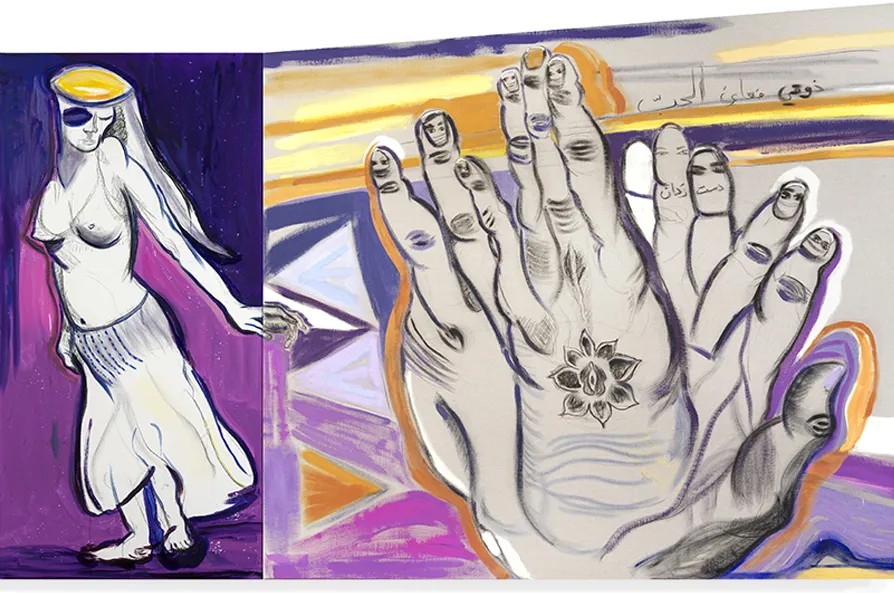
SIMON PARSONS applauds an artist who rescues and rehumanises stories of women, the victims of violence, from a feminist perspective
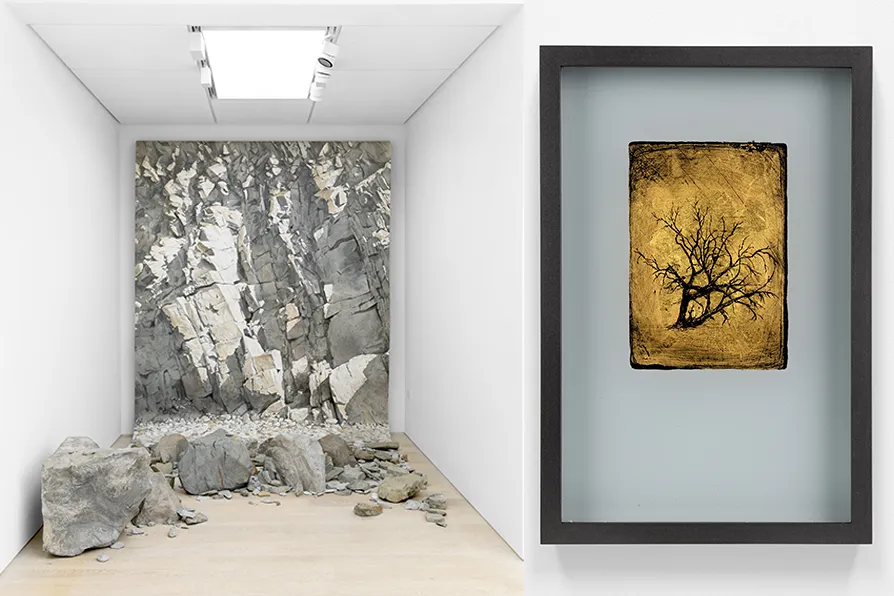
JAN WOOLF examines work that aims to give viewers a material experience of the environments in the polar north and Britain equally affected by the climate crisis