Committee for the Defence of the Iranian People’s Rights general secretary GAWAIN LITTLE discusses the impact of the US-Israeli war on the Iranian people and economy


 Latest editorial

I will survive
Working out the survival rates of medieval manuscripts needed surprise input from those studying animal diversity – and reminds us on the left to make sure we keep our own story safe, write ROX MIDDLETON, LIAM SHAW and JOEL HELLEWELL
Capitalism has extracted itself from crisis before, argues PRABHAT PATNAIK – but through methods no longer available. So it is turning to authoritarianism, militarism and neocolonialism
The five young men killed in the A66 crash were responsible for a devastating tragedy — but the crash should force us to ask difficult questions about wider society, argues RENATA MEDEIROS MIRRA
Britain funds the policing of black culture 16 times better than the culture itself. The Diamond Jubilee is the moment to end that, argues CLAUDIA WEBBE
Despite Andy Burnham’s declaration defending the continued partition of the island, all major international and internal trends are converging to make Irish reunification inevitable
Humans are part of the ‘animal kingdom’ – and of nature in general – but also distinct from it and labour (work) is part of what makes us unique, declared Engels. His insights 150 years ago into how our species came to be and how we differ from the rest of nature, are as important today as they were then, says the MARX MEMORIAL LIBRARY





HISTORIANS must work with limited information about the past.
First, what is set down is a biased subset to begin with. The experiences of the working class in England before the Industrial Revolution, for example, are much harder to reconstruct than the royal court.
Second, even written records can be lost, crumble away in attics, or be burned in library fires. So the evidence that does survive today from the past is a proportion of what once existed. But what is that proportion?

Similar stories
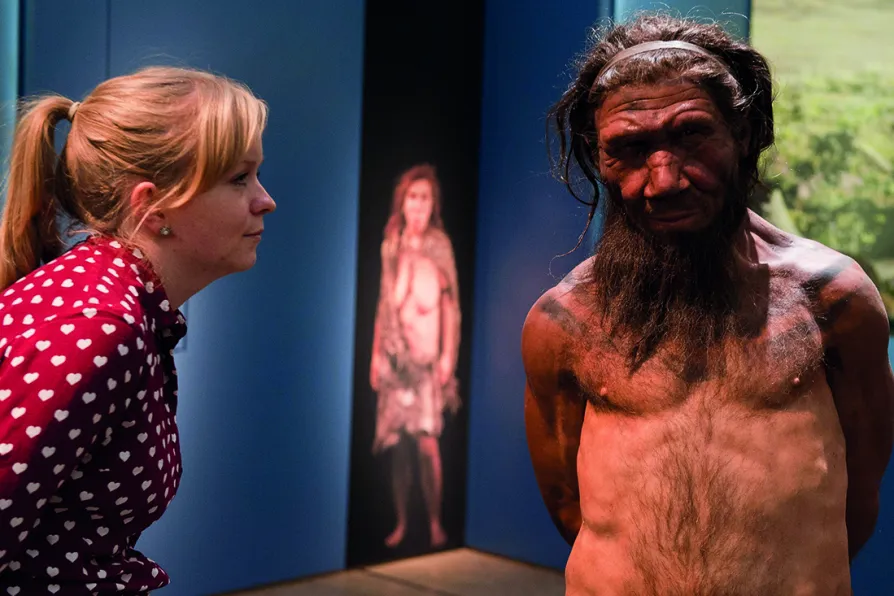
Humans are part of the ‘animal kingdom’ – and of nature in general – but also distinct from it and labour (work) is part of what makes us unique, declared Engels. His insights 150 years ago into how our species came to be and how we differ from the rest of nature, are as important today as they were then, says the MARX MEMORIAL LIBRARY
Nature as well as society works dialectically, asserts the Marx Memorial Library and Workers’ School
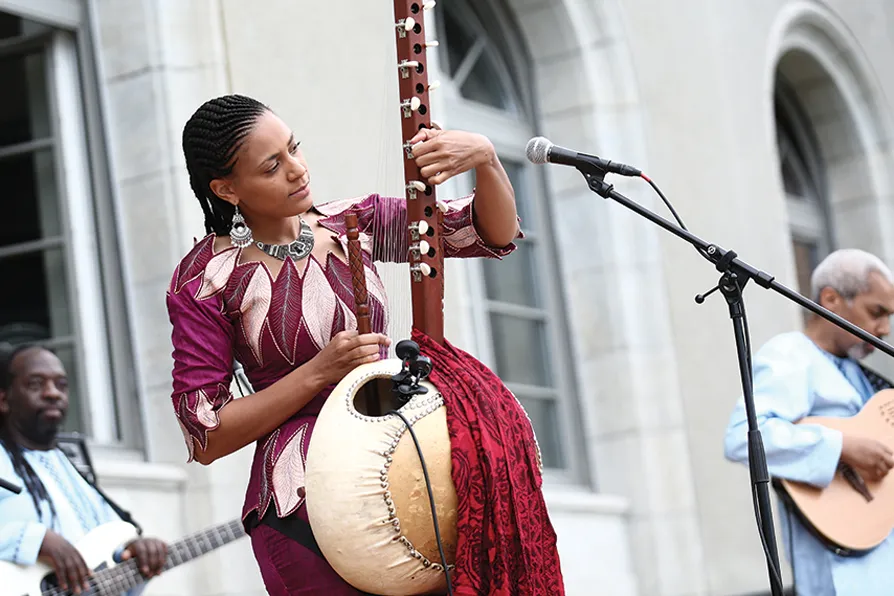
ROGER McKENZIE draws attention to the much-neglected oral traditions of the global South that define the identity – and therefore the liberation – of its custodians
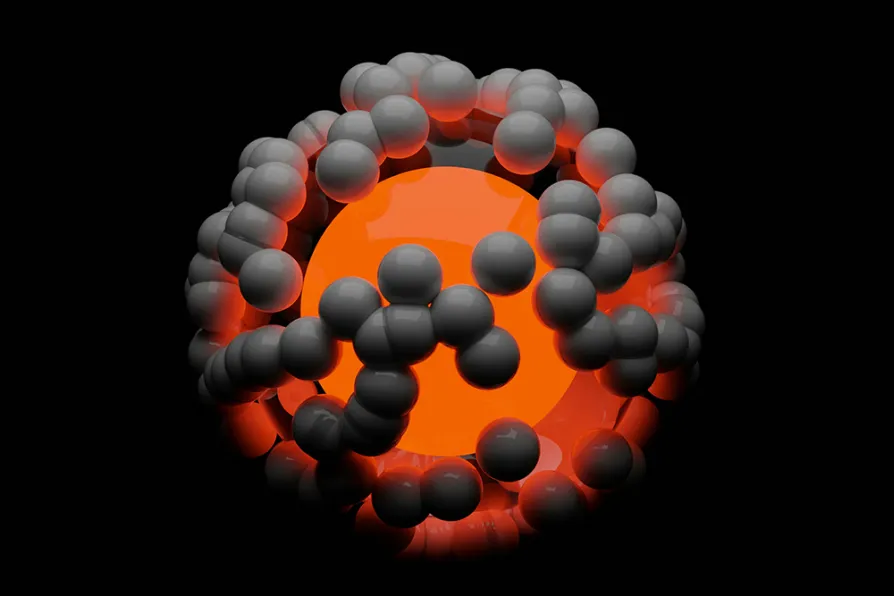
Neutrinos are so abundant that 400 trillion pass through your body every second. ROX MIDDLETON, LIAM SHAW and MIRIAM GAUNTLETT explain how scientists are seeking to know more about them