

 Latest editorial





THE NHS is being held to ransom by pharmaceutical companies who are charging a fortune — almost half a billion pounds last year— for cancer drugs that taxpayers helped to develop, health campaigners have warned.
Groundbreaking new analysis by the Missing Medicines Coalition has found that the NHS was fleeced of £458 million by pharmaceutical companies in 2017-18 for life-saving medicines that were originally developed with public funding but are now patented by big pharma, the term critics use for the giants of the drugs industry.
The shocking revelation comes on World Cancer Day today, with an urgent call for the public to “stop paying twice for medicine.”


The US blockade of Cuba raises risks of a new global pandemic, experts warn at Unison conference

1943-2025: How one man’s unfinished work reveals the lethal lie of ‘colour-blind’ medicine
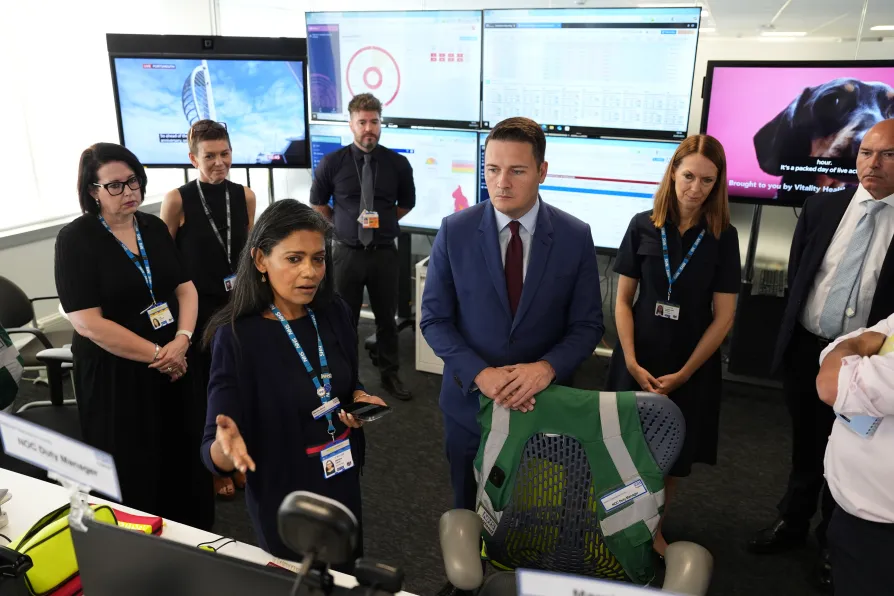
Politicians who continue to welcome contracts with US companies without considering the risks and consequences of total dependency in the years to come are undermining the raison d’etre of the NHS, argues Dr JOHN PUNTIS