

 Latest editorial
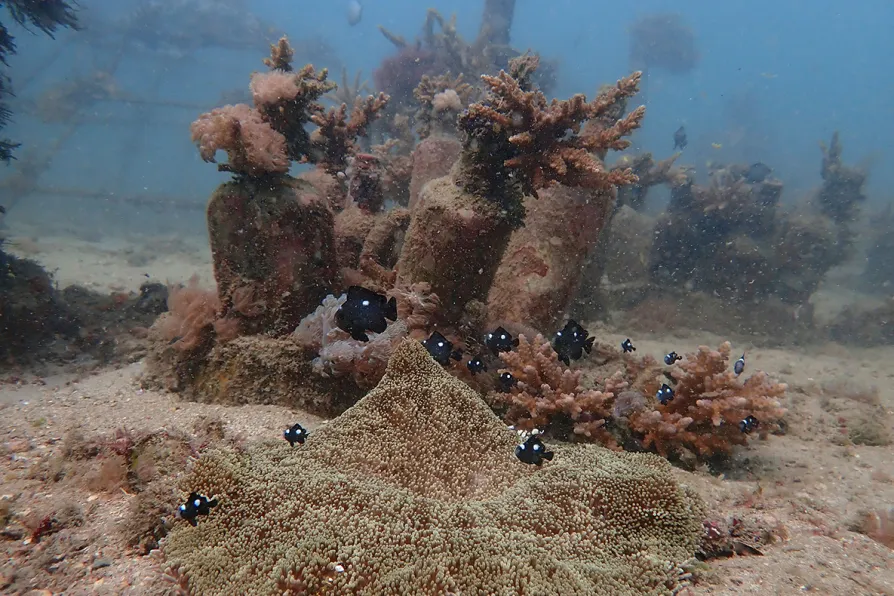 Fish swim near coral on the ocean bed near Shimoni, Kenya, June 13, 2022 [Pic: AP Photo/Brian Inganga]





AFRICAN and Commonwealth nations on Tuesday called for a swift implementation of a landmark treaty protecting the high seas, warning that despite record commitments to marine conservation, much of the world’s ocean protection still exists only on paper.
This comes as new satellite images reveal the crisis facing the planet as key freshwater sources are disappearing globally.
The call to action by the African and Commonwealth nations was issued at the 11th Our Ocean Conference in Mombasa, Kenya, the first time an African nation has hosted the major annual event, which focuses on addressing critical ocean issues, including climate change, biodiversity and pollution.
Hundreds of delegates from Africa, the Caribbean and Pacific island nations, plus representatives from the European Union and the United States, are taking part in the conference, where leaders have sought to position Africa as a driving force in global ocean governance.
Kenyan Cabinet Secretary of Maritime Affairs Hassan Joho said: “The purpose of this roundtable is not to restate ambition, but to convert such pledges into measurable results for our communities, our economies and our oceans.”
The High Seas Treaty, which came into effect in January, marked a historic turning point by creating, for the first time, a legal mechanism to establish protected areas in international waters.
The treaty aims to help countries achieve a global target of protecting 30 per cent of the world’s land and oceans by 2030.
As negotiations continue in Mombasa, delegates say the coming months will be critical in determining whether the new treaty becomes a transformative tool for ocean conservation or another set of international promises that fail to materialise.
Meanwhile, satellite images show 10 key parts of the world where water is disappearing.
The world is losing an estimated 85.6 trillion gallons of freshwater each year, enough to meet the needs of 280 million people annually, according to a new World Bank report.
This persistent loss of freshwater, known as “continental drying,” is driven by worsening droughts and unsustainable land and water practices.
The locations identified in the study include South America’s second-longest river, the Parana River in Argentina, Lake Poopo in Bolivia, Lake Ngami in Botswana, Chile’s Laguna de Aculeo, Lake Urmia in Iran, Iraq’s al-Chibayish Marshes, Ambovombe in Madagascar, Mali’s Lake Faguibine, Lake Mead on the border of Nevada and Arizona in the US and the South Aral Sea in Uzbekistan.
To raise public awareness the UN has marked today, June 17, as the World Day to Combat Desertification and Drought.
