

 Latest editorial
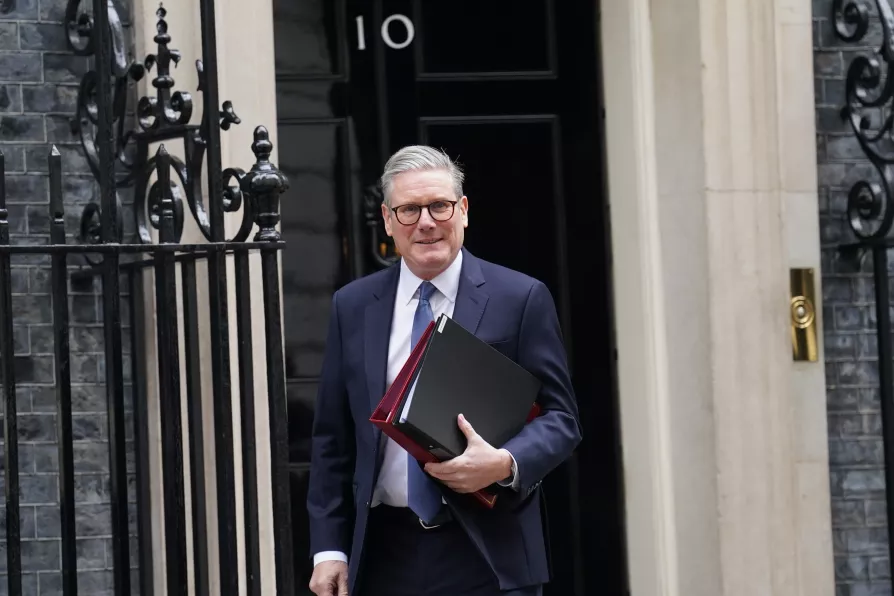 Prime Minister Keir Starmer departs 10 Downing Street, London, to attend Prime Minister's Questions at the Houses of Parliament, March 12, 2025






OPPOSITION to Keir Starmer’s plan to launch a catastrophic attack on social security is mounting.
This is a high-stakes issue for the country.
First, because of the devastating impact cuts to the Personal Independence Payment (PIP) will have on disabled people, including those in work: these are people already battered by Tory austerity, the main targets of Iain Duncan Smith’s brutal “fit for work” assessment regime, one egged on at the time by Starmer as director of public prosecutions boasting of his crackdown on benefit cheats.
Second, because the battle is part of the “welfare state or warfare state” dilemma being thrust on the public by jingoistic politicians and mass media.
Ministers who want to cut £5 billion annually from PIP have just committed to raise military spending to 2.5 per cent of GDP by 2027 — an extra £13.4bn a year. “Opposition” parties the Tories and Lib Dems are clamouring for a steeper rise to 3 per cent. This is the first big assault on the state’s own citizens to fund that project and will set the tone for what follows. What kind of Britain do we want to live in?
And third, because opposition to this policy is widespread. Labour MPs could grumble against the two-child benefit cap but explain it away as merely delaying reversal of a Tory policy. Unease grew as the Starmer government cut winter fuel payments to the elderly, then betrayed the Waspi women.
Now it combines a full-frontal attack on some of Britain’s most vulnerable with recent decisions to ease the “burden” on non-dom billionaires and sharp spending increases on war.
Nobody can pretend this is a necessity: it is a choice, one that confirms the direction of the government to date. Previous rebellions have been small, and stamped on ferociously by a Labour leadership as contemptuous of MPs’ right to a conscience as it is of the views of the wider party.
But Labour’s polling is dire and even MPs still willing to give Starmer the benefit of the doubt can see it is heading for defeat unless a space can be carved out to challenge its disastrous trajectory. A successful revolt over social security cuts would be a win in itself but also create that space: the whole party would breathe easier.
So the revolt must be maximised. Labour whips deny reports that up to 80 could rebel: but then, they would.
The government has already begun cajoling, bribing and bullying backbench MPs to minimise the rebellion, though shutting Mother of the House Diane Abbott out of an MPs’ meeting with Starmer on the policy was an unsubtle gesture. So we need pressure from below: constituents, community campaigns, and trade unions (nationally and locally) can call on MPs to take a stand.
Opposition is near-universal across the trade union movement: TUC general secretary Paul Nowak is right to point to the very recent experience of austerity and what it did to the country’s health. That fed into our calamitous pandemic experience, itself linked to rising long-term disability and sickness — as are poverty, the housing crisis, insecure work and a host of other expressions of Britain’s broken society.
Starmer says he is taking the big decisions to “fix what is broken” about Britain. Yet he tiptoes around the wreckage of 40 years of Thatcherism and plugs policies, from deregulation to benefit cuts, that defined the ruinous Cameron government.
We need change. Pressure on politicians now can be built up in the months leading to Chancellor Rachel Reeves’s announcement of departmental budgets in June. Just before that — on June 7 — the People’s Assembly will be marching in the capital against renewed austerity. We must start to build support through trade unions and trades councils for this demonstration and leave MPs in no doubt what the labour movement expects of them.

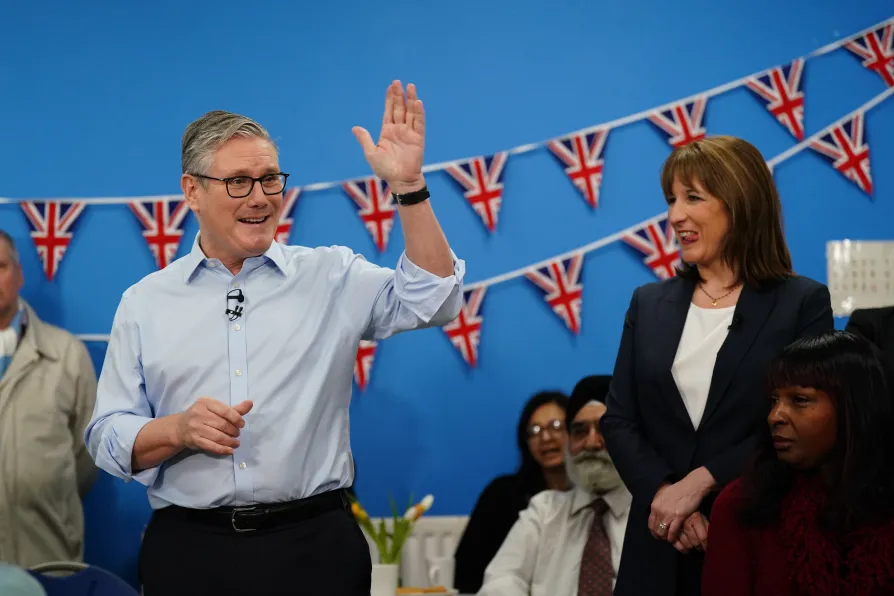
The 2025 Budget shores up the PM’s political position with headline-grabbing welfare U-turns, but with no improvements on offer to declining public services or living standards, writes MICHAEL BURKE
In the run-up to the Communist Party congress in November ROB GRIFFITHS outlines a few ideas regarding its participation in the elections of May 2026
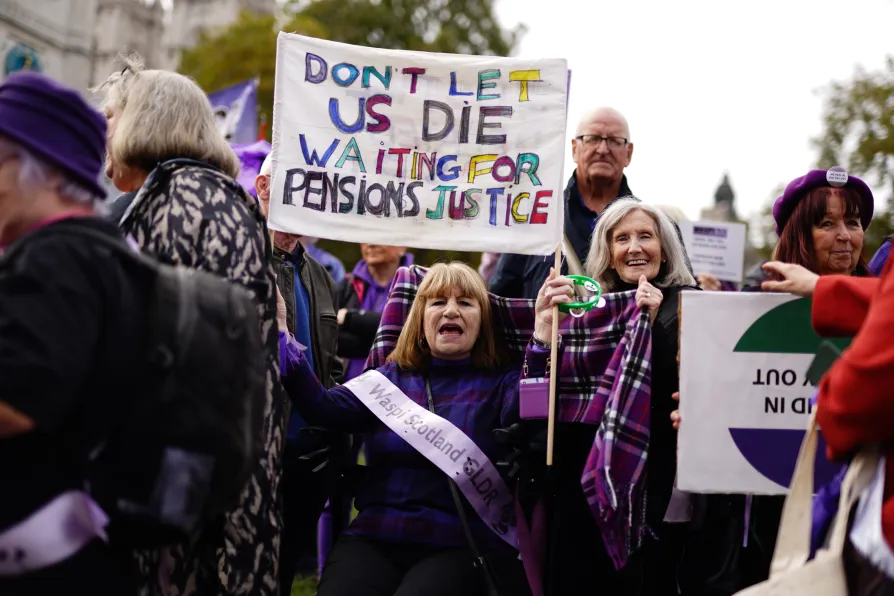

The BBC and OBR claim that failing to cut disability benefits could ‘destabilise the economy’ while ignoring the spendthrift approach to tens of billions on military spending that really spirals out of control, argues DIANE ABBOTT MP