Does widespread and uncontrolled use of AI change our relationship with scientific meaning? Or with each other? ask ROX MIDDLETON, LIAM SHAW and MIRIAM GAUNTLETT


The world wildlife trade regulator at 50
What has worked well – and what needs to change – for the convention that controls trade in endangered species? DAN CHALLENDER and MICHAEL ’T SAS-ROLFES explain
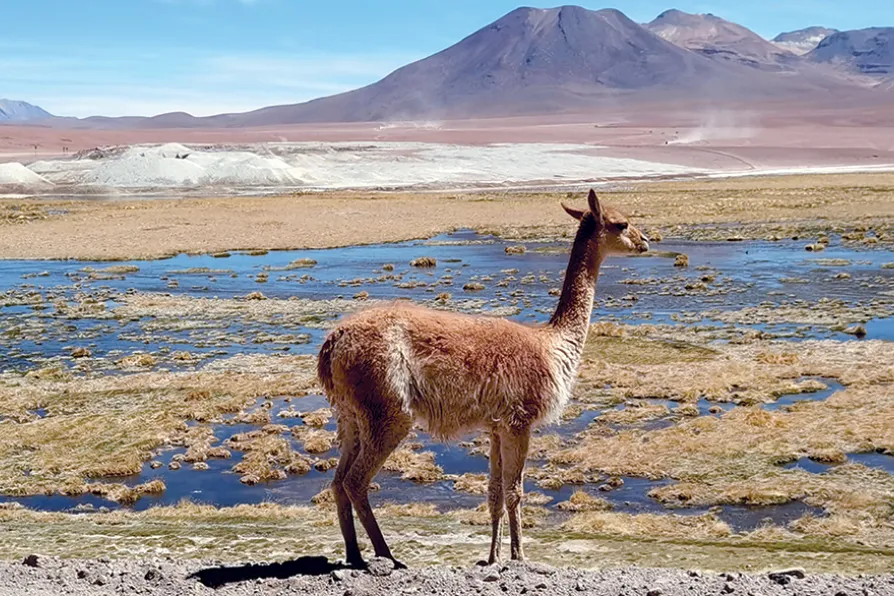
 HABITAT SPECIFIC: A vicuna in the Chilean Altiplano
[PapiPijuan/CC]
HABITAT SPECIFIC: A vicuna in the Chilean Altiplano
[PapiPijuan/CC]

The biggest strike in global history is a template for our future. The silence tells you all you need to know, writes CLAUDIA WEBBE
KEITH FLETT highlights the inimical role of the strategist who helped shape Tony Blair’s ascent and whose political blueprint continues to echo in the era of Keir Starmer
70 years on from Khruschev’s closed-door address to the Communist Party of the Soviet Union’s 20th Congress, Kenny Coyle talks to academic and writer RICHARD SAKWA about the significance of this political bombshell, in which Stalin’s ‘cult of personality,’ abuse of power and mass repressions were denounced
Small Prophets finds Mackenzie Crook conjuring tiny prophetic beings from working-class malaise, writes STEPHEN ARNELL





HAVE you ever bought a souvenir from a local market on holiday? Or tried to travel overseas with a guitar? If so, you may have been stopped at the airport if your item contains animal or plant parts. This is because most countries, and also the EU, implement Cites, the Convention on International Trade in Endangered Species of Wild Fauna and Flora.
Cites is the main global agreement regulating international wildlife trade to ensure the protection of the 41,000 species covered by the convention. Under Cites, trade measures are established for species to ensure that international trade is legal and ecologically sustainable. For most species (96 per cent), this comprises close regulation of trade. For more threatened species (3 per cent), commercial international trade in wild animals and plants is banned (the remaining 1 per cent refers to a third category of species protected in at least one country).

Similar stories
Reaching co-operation is supposed to be the beginning, not the end, of global climate governance, argues LISA VANHALA
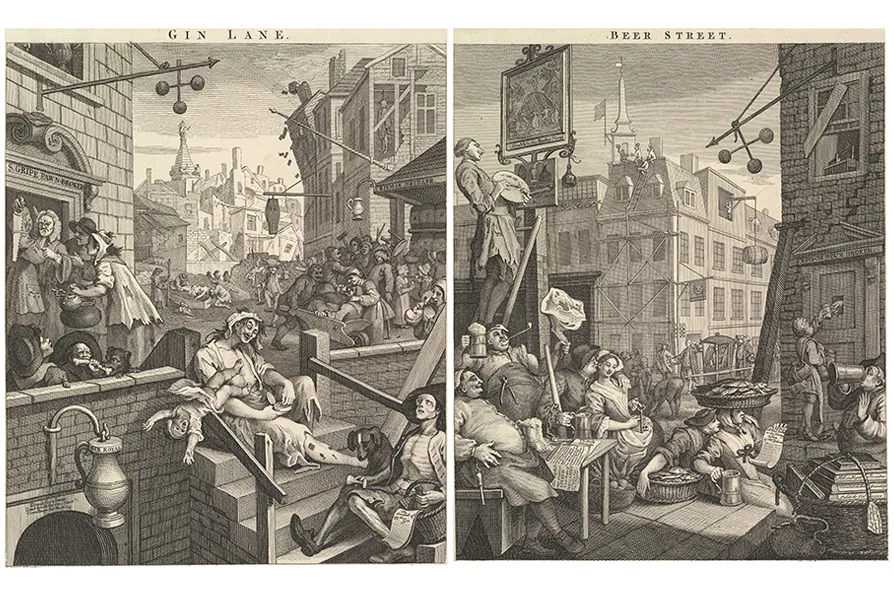
Gin Lane by William Hogarth is a critique of 18th-century London’s growing funeral trade, posits DAN O’BRIEN
ALASTAIR BONNETT reports on the paradoxes of populist attitudes towards protection of the natural world
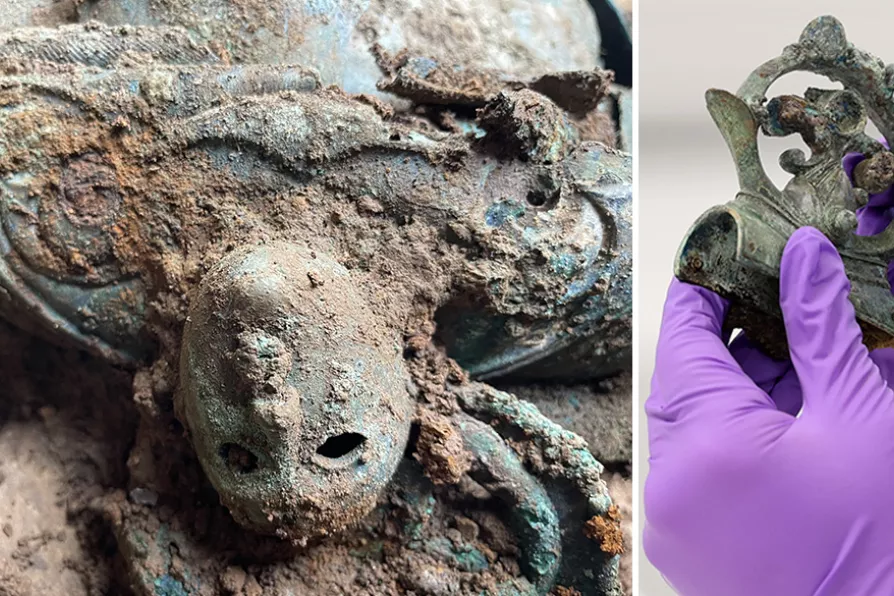
DUNCAN GARROW introduces a remarkable Iron Age discovery in Yorkshire that reveals ancient Britons’ connections with Europe