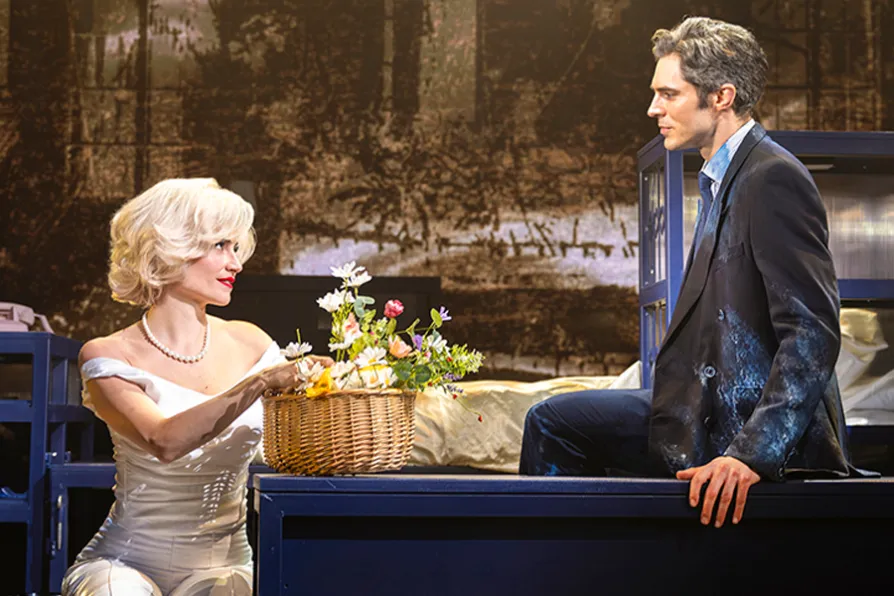
PAUL DONOVAN applauds an intriguing multi-layered depiction, dominated by a stunning impersonation of Marilyn herself


 Latest editorial

Film review: Son of Saul
Maria Duarte recommends an eye-opening film set in the nazi death camp Auschwitz-Birkenau
LEO BOIX applauds an audacious, self-questioning film about grief, friendship and film-making
MARY CONWAY admires a brave and topical study of Armageddon that is, unfortunately, unable to come to a conclusion
ANDY HEDGECOCK, JAMES WALSH and JAMIE BRITTON review Hanging by a Wire, I Want Your Sex, The Pout-Pout Fish, and Rise of the Foot Soldier: Retribution
Chris Searle speaks to US pianist RAN BLAKE
The Bard hands out medals for his Edinburgh campaign and urges us to support The Men They Couldn’t Hang





Son of Saul (15)
Directed by Laszlo Nemes
5 Stars
IT’S hard enough coming up with a fresh insight into the Holocaust, yet first-time director Laszlo Nemes has achieved precisely that with his powerful and impressive award-winning drama.
It explores the inner workings of the Auschwitz-Birkenau death camp in 1944 through the eyes of Saul Auslander, (Geza Rohrig) a Hungarian member of the Sonderkommandos.
They were groups of prisoners, usually Jews, specially chosen by the SS to lead fellow Jewish inmates to the gas chambers, then dispose of their bodies and clean the area for the next arrivals.
Given relatively preferential treatment, they could move freely within the concentration camp but were eliminated and replaced after three or four months as they were witnesses to the mass exterminations.
This engrossing drama focuses on two days in Saul’s gruelling life in which he becomes obsessed with the search for a rabbi to say Kaddish and give a young boy, who he takes to be his son, a proper burial.
The youngster miraculously survived the gassing to then be killed by a German guard.
The camera focuses squarely on Saul, following him from behind and in front, never straying from his line of vision or hearing.
Thus we see what he witnesses and, as he shuts himself off from the horrors surrounding him daily, the dead bodies are shown in out-of-focus shots.
The atrocities aren’t shown directly but, equally chilling, they can be heard. There’s a harrowing intensity as Saul is made to drag fellow Jews’ corpses, burn them and dispose of the ash dispassionately while trying to find a rabbi to regain a slither of his humanity.
Newcomer Rohrig, in a remarkable and mesmerising performance, remains expressionless throughout as the camera stays fixed on him through most of the film.
Nemes delivers an ambitious and thought-provoking cinematic masterpiece and the question is how he will follow it up.
Watch this space.

Similar stories
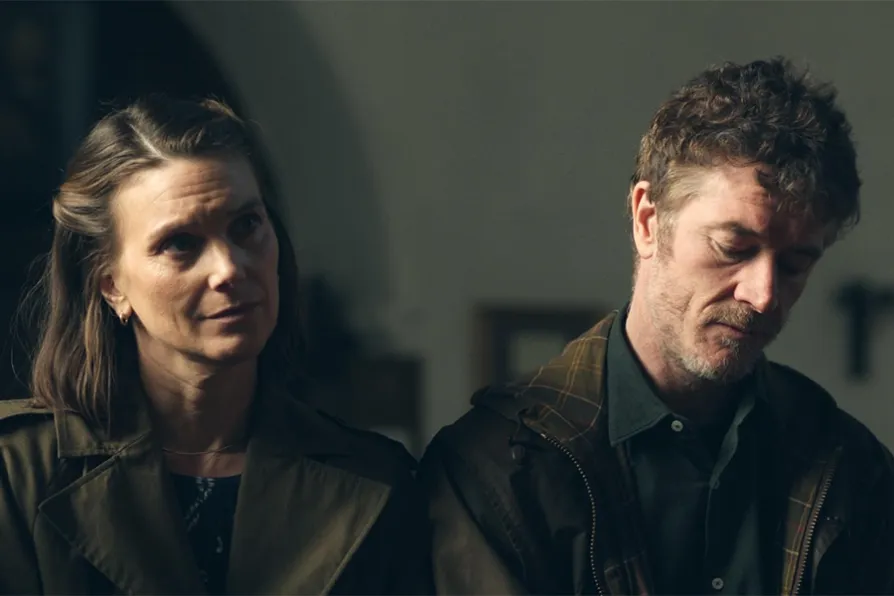
ANGUS REID, ANDY HEDGECOCK and MARIA DUARTE review On The Sea, A Useful Ghost, Brunello: The Gracious Visionary, and Pinocchio Unstrung

ANDY HEDGECOCK, MARIA DUARTE and ANGUS REID review Synthetic Sincerity, Our Hero, Balthazar, Heartstopper Forever, and A Year In London
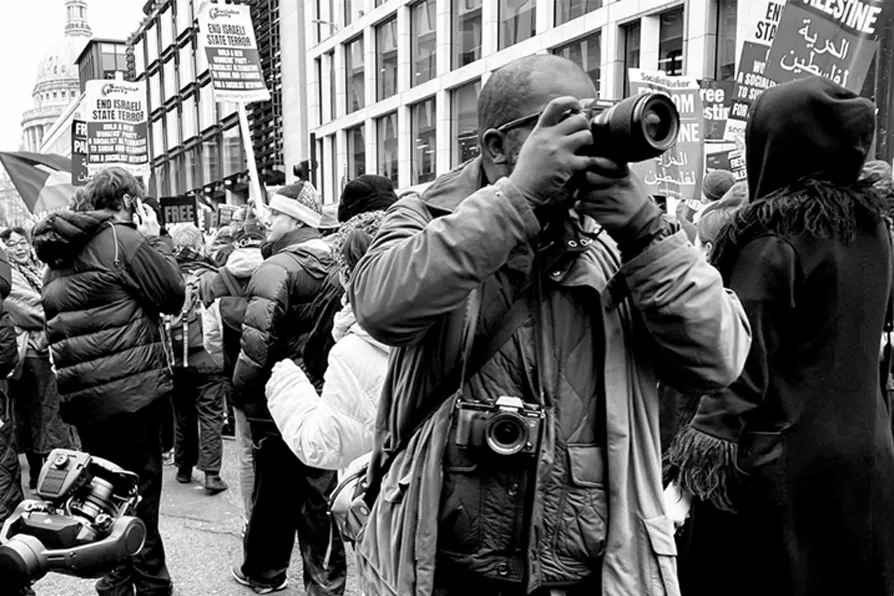
KEVIN DONNELLY and MARIA DUARTE review Shoot the People, The Last One For The Road, Rosebush Pruning, and Moana
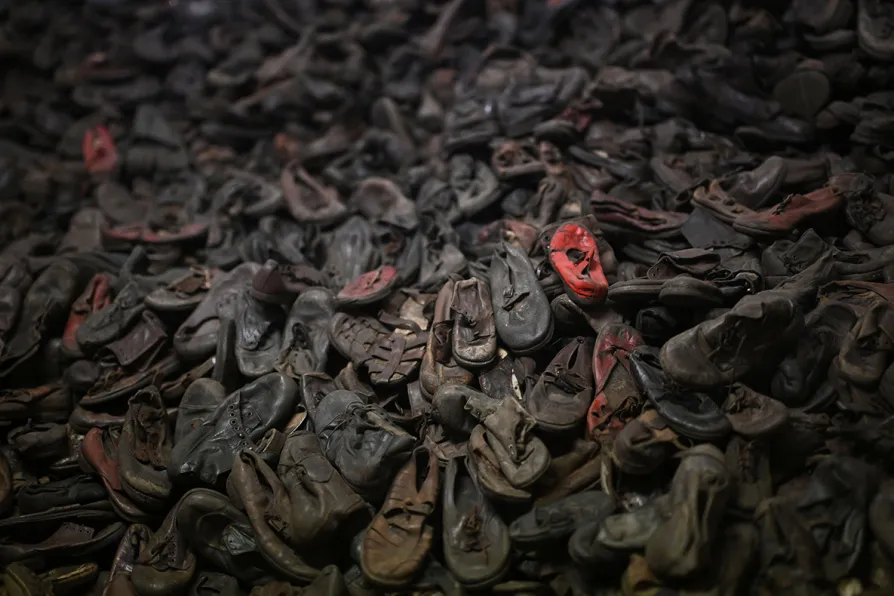
On May 16 1944, Romani families in Auschwitz-Birkenau armed themselves with stones, tools, and sheer collective will, forcing the SS to retreat – leaving a legacy of defiance that speaks directly to the fascisms of today, says VICTORIA HOLMES