
 Latest editorial
A California union’s decision to host a meeting about US policy towards Cuba has prompted a congressional probe and renewed attacks on international solidarity, writes CAMERON HARRISON


Building on decades of popular resistance
RAMZY BAROUD presents a guide on the boycott, divestment and sanctions movement
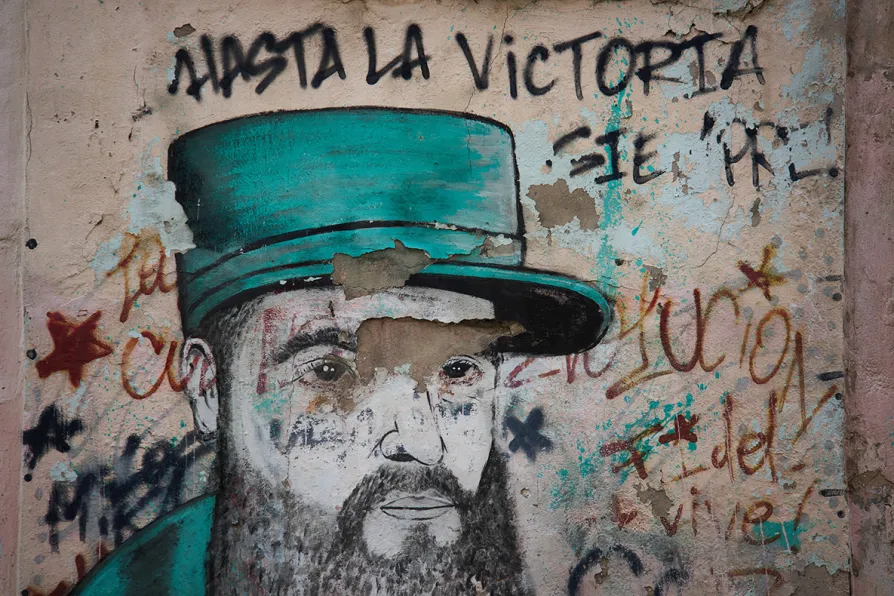
The Baltic state is set to reverse its constitutional prohibition on nuclear weapons and foreign bases as part of accelerated Nato war preparations, warns TOM UNTERRAINER
Long-term underfunding and state neglect, while simultaneously probation services have been undermined, have intensified the prison crises, argues SOLOMON HUGHES
Holyrood incompetence has cost jobs and put the future of Clydeside’s Ferguson Marine shipyard into jeopardy. Its future should have been assured, argues KENNY MACASKILL
With the agitated debate now raging in the media about the early release schemes, Prison Officers Association general secretary STEVE GILLAN gives the view of those who work in the sector
The hounding of the late Jason Arday is an all too familiar experience for many black people. ROGER McKENZIE calls for collective action to combat what can feel like personal isolation





The boycott, divestment and sanctions (BDS) movement was the outcome of several events that shaped the Palestinian national struggle and international solidarity with the Palestinian people following the second intifada in 2000.
Building on a decades-long tradition of civil disobedience and popular resistance, and invigorated by growing international solidarity with the Palestinian struggle as exhibited at the World Conference against Racism in Durban, South Africa, in 2001, Palestinians moved into action.
In 2004, the Palestinian Campaign for the Academic and Cultural Boycott of Israel (PACBI) called for the boycott of Israeli government and academic institutions for their direct contributions to the military occupation and subjugation of the Palestinian people. This was followed in 2005 by a sweeping call for boycott made by 170 Palestinian civil society organisations.

Similar stories
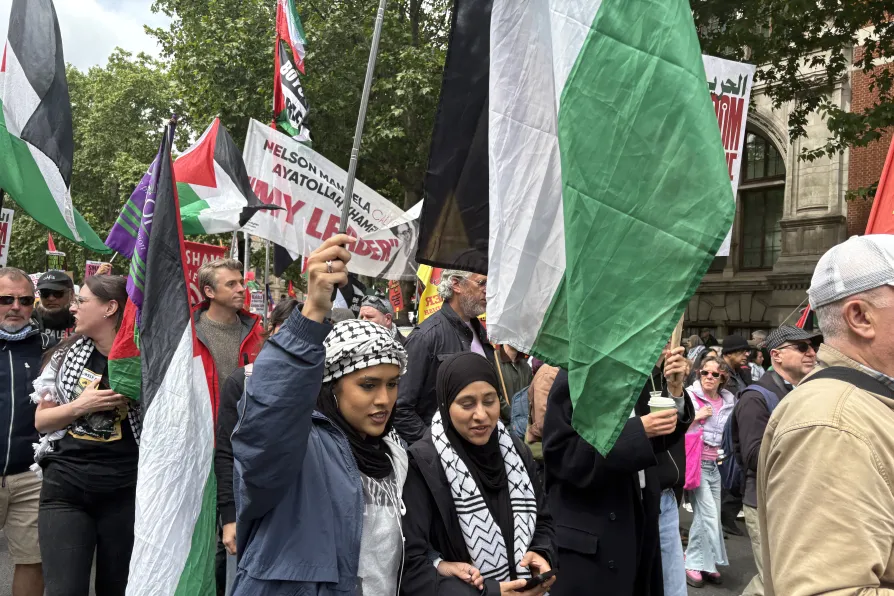
History suggests apartheid ends not through appeals to conscience alone but through sustained economic and political pressure, says HUGH LANNING
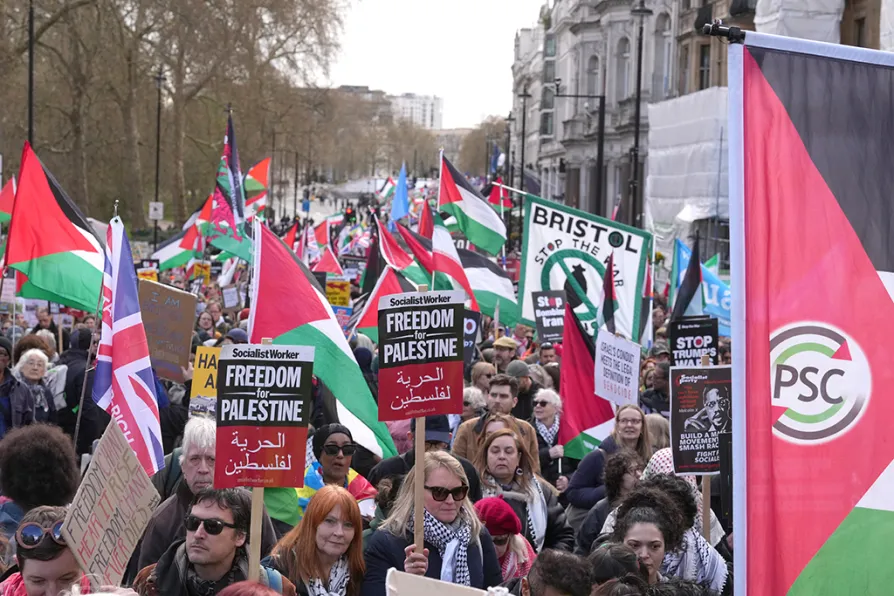
The struggle for Palestinian freedom has become a defining issue for everyone committed to justice, democracy and peace, says PETER LEARY ahead of the Stop the War International Conference on Saturday
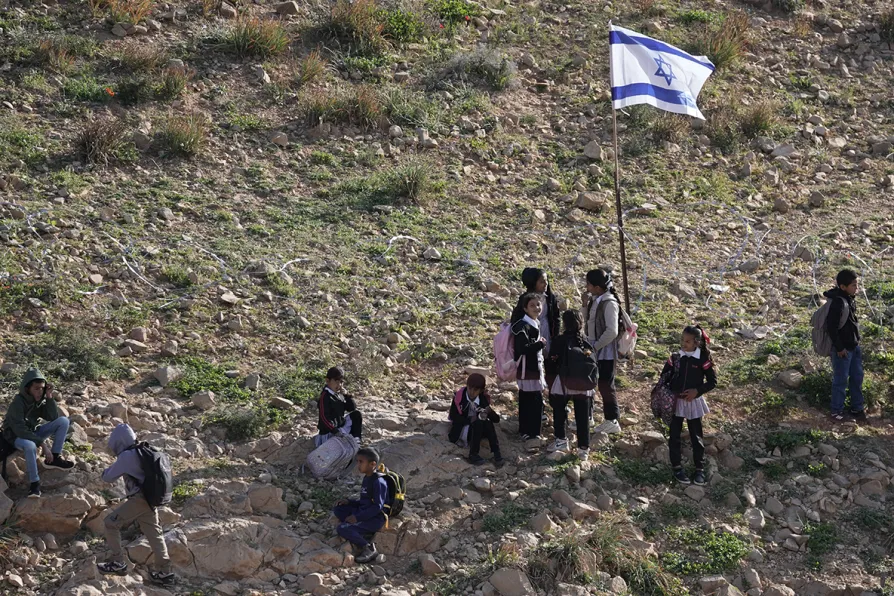
Bezalel Smotrich’s measures to extend Israeli property law into the West Bank are a continuation of a decades-long project to dispossess Palestinians and preclude statehood, argues HUGH LANNING
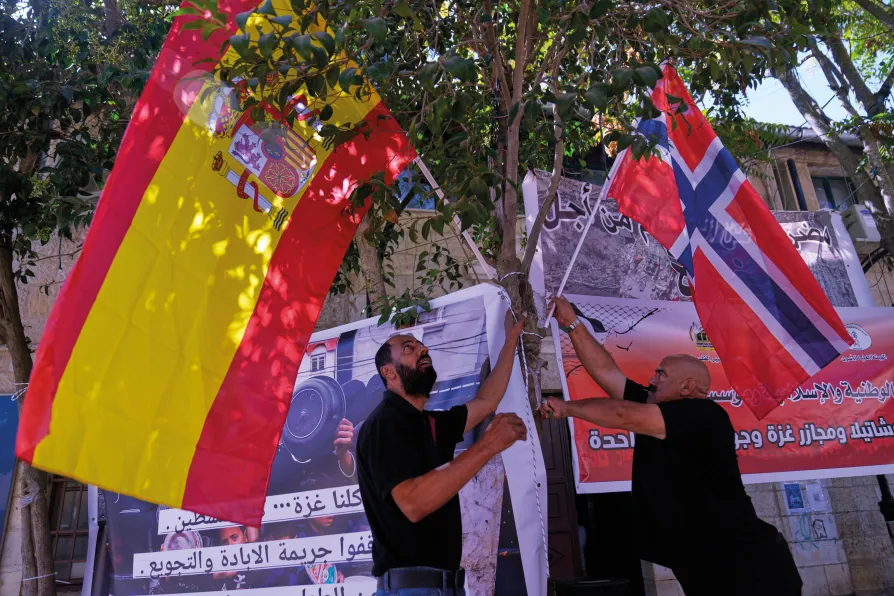
Spain has joined South Africa’s ICJ genocide case against Israel while imposing weapons bans and port restrictions, moves partly driven by trade unions — proving just how effectively civil society can reshape government policy, writes RAMZY BAROUD