The new Prime Minister must abandon decades of automatic support for US foreign policy, which makes us all less safe, argues DIANE ABBOTT MP


 Latest editorial

By July 1918 WWI is resisted with strikes on the home front
Four months before the armistice workers begin to oppose the repression in Britain and the brutal intervention to smother the Soviet Revolution, writes JOHN ELLISON
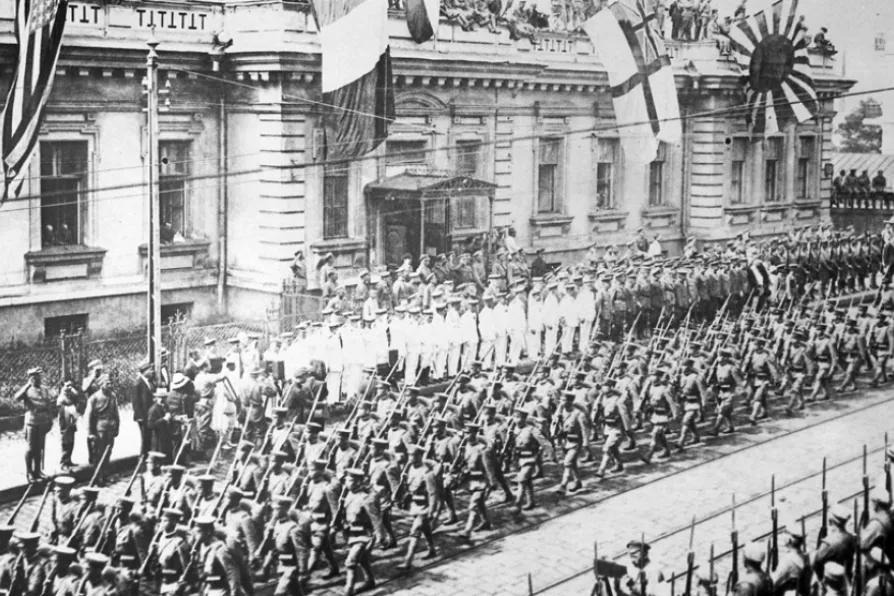 IMPERIALIST BLUEPRINT: Allied troops parade past
their headquarters in Vladivostok in July 1918
IMPERIALIST BLUEPRINT: Allied troops parade past
their headquarters in Vladivostok in July 1918

Media Lens at 25: David Cromwell and David Edwards reflect on a quarter-century of media criticism, explaining why independent journalism is more important than ever
by Weyman Bennett and Maz’s family
The International Court of Justice has delivered its clearest ruling yet that the right to strike is protected under international law, write Professor TONIA NOVITZ, Professor KEITH EWING and Lord JOHN HENDY KC
Emergency phone alerts could help Britain respond to rising wildfire risk, but Australia’s experience suggests they work best as part of a broader strategy, write ELLIOT CONVERY-FISHER and KATE PARKINS
A champion motorcyclist, trade union organiser and communist, Clem Beckett went from Britain’s speedway tracks to the battlefields of Spain, where he gave his life resisting Franco’s forces at Jarama. GEOFF BOTTOMS pays tribute to this remarkable anti-fascist





July 1918 brought more war along the long line of the Western Front, where one newly wounded British soldier-poet with a record of adventurous bravery and a German forename was Siegfried Sassoon.
He received a head wound from accidental fire from a fellow soldier when returning from a patrol on July 13. Just published was his poetry collection Counter-Attack and Other Poems.
One item included the following verse, which was to become famously symbolic of the war.

Similar stories
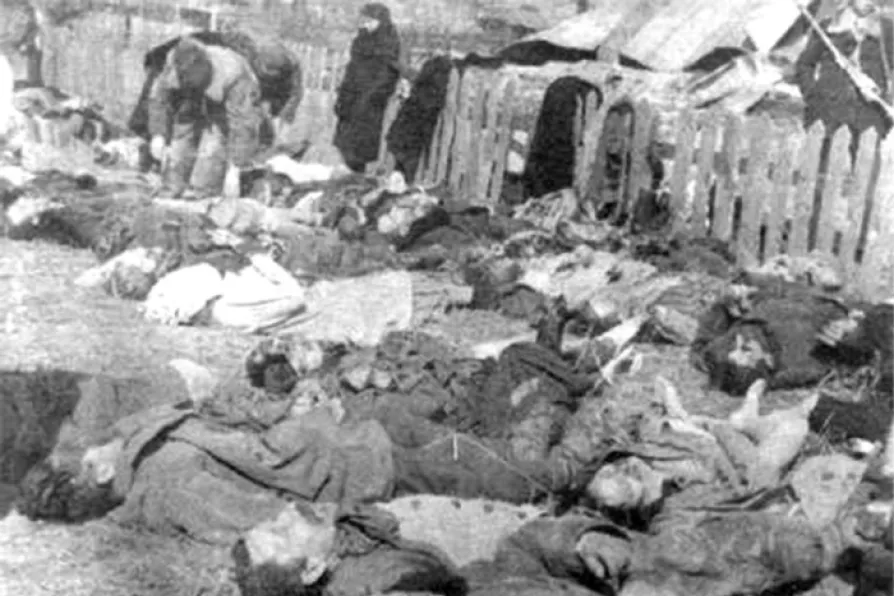
Poland’s anger over Ukraine’s celebration of the Nazi collaborationist UPA reflects more than historical grievance, says KENNY COYLE
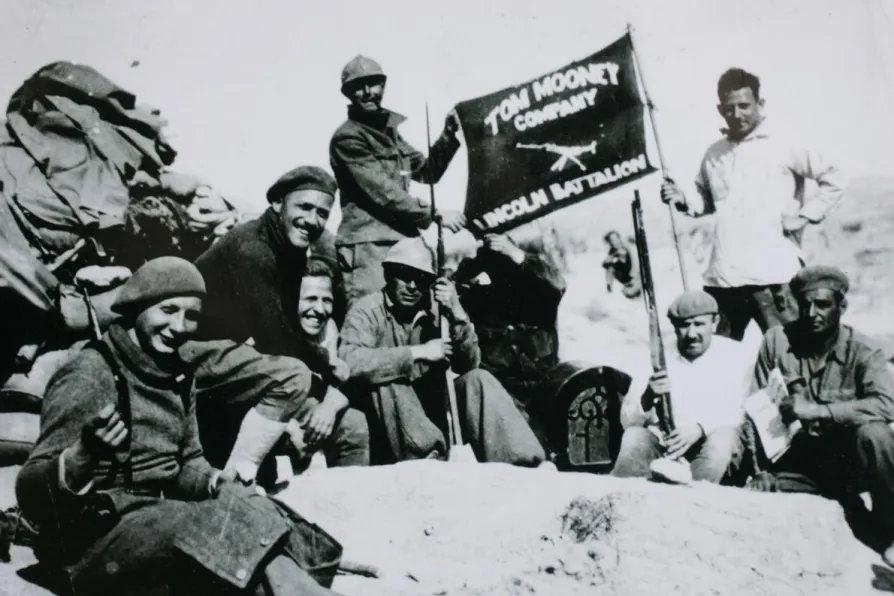
CJ ATKINS commemorates one of the most dramatic moments in working-class history
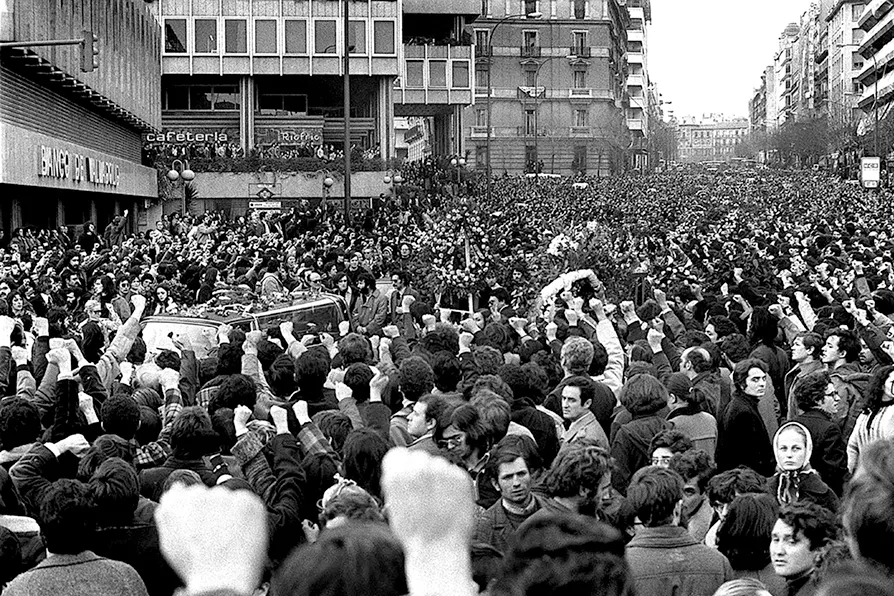
Spanish dictator Francisco Franco died 50 years ago today November 20. JIM JUMP looks back at his blood-soaked rule and toxic legacy on Spain today
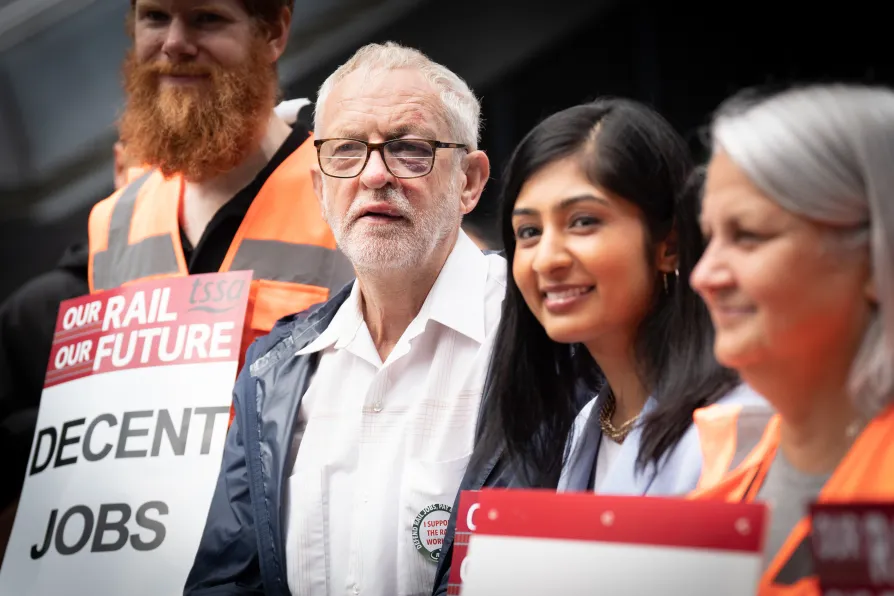
Corbyn and Sultana’s ‘Your Party’ represents the first attempt at mass socialist organisation since the CPGB’s formation in 1921, argues DYLAN MURPHY