TUC president and POA leader STEVE GILLAN speaks to Ben Chacko on the eve of Congress 2026


 Latest editorial
Media attacks on the left are nothing new
From the Chartists to left-wing councils in the ’80s to Tony Benn, all have received their share of vitriol from the right-wing press, says KEITH FLETT
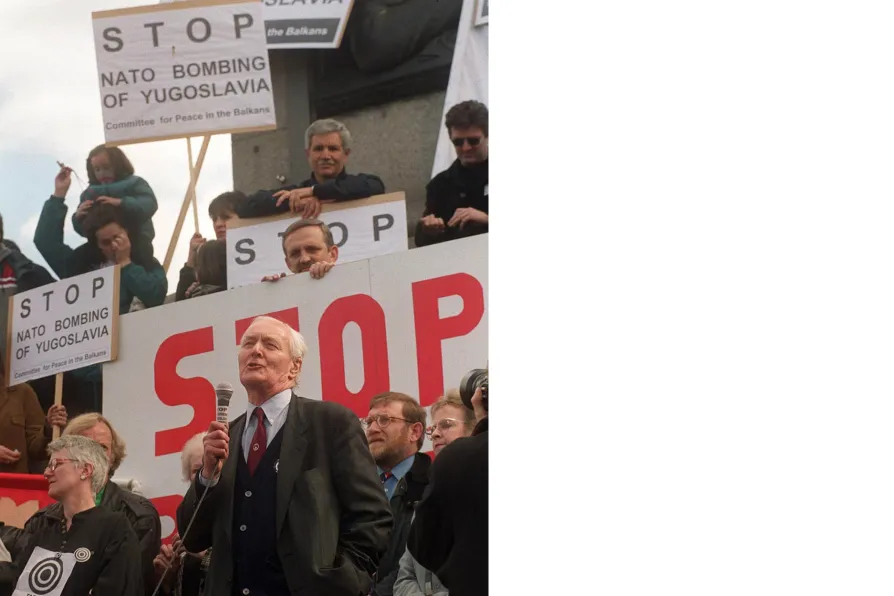 Media attacks on leftwingers are nothing new. Tony Benn was often vilified in a similar manner to Jeremy Corbyn today

As Cuba faces the most dangerous moment in its recent history, Britain must do more than condemn the US blockade at the United Nations, writes KEVIN COURTNEY, chair of the Cuba Solidarity Campaign
The Together Alliance is hosting two summits, North and South, to build power and plan action against the scourge of racism peddled by the right. DANIEL KEBEDE urges mass participation
Morning Star assistant business manager BERNADETTE KEAVENEY and international editor ROGER McKENZIE remember attending the 2001 TUC, suspended midweek after news of the World Trade Centre attacks
Whether it’s dented bike frames or broken ferries, MATT KERR wishes politicians had the same steely staying power of elite engineering instead of chasing disposable self-importance
The events of 9/11 reverberated across the United States and then the world. JOHN WIGHT remembers the eerie atmosphere that exposed racial divisions at the heart of Hollywood





VICTOR SERGE, the anarchist turned Bolshevik, and later critic of the direction the Russian Revolution was to take, wrote towards the end of his life in the late 1940s: “On several occasions a press with a vast circulation has hurled filth at me because I spoke the truth.”
It is a reminder that attacks on left-wing activists and writers by media owned by the rich and powerful are nothing new.
Indeed in the 1840s the leaders of the Chartist movement were often to be found being vilified in the press. Particular attention was paid, by Punch for example, to caricaturing the black leader of London Chartism in 1848 William Cuffay.

Similar stories
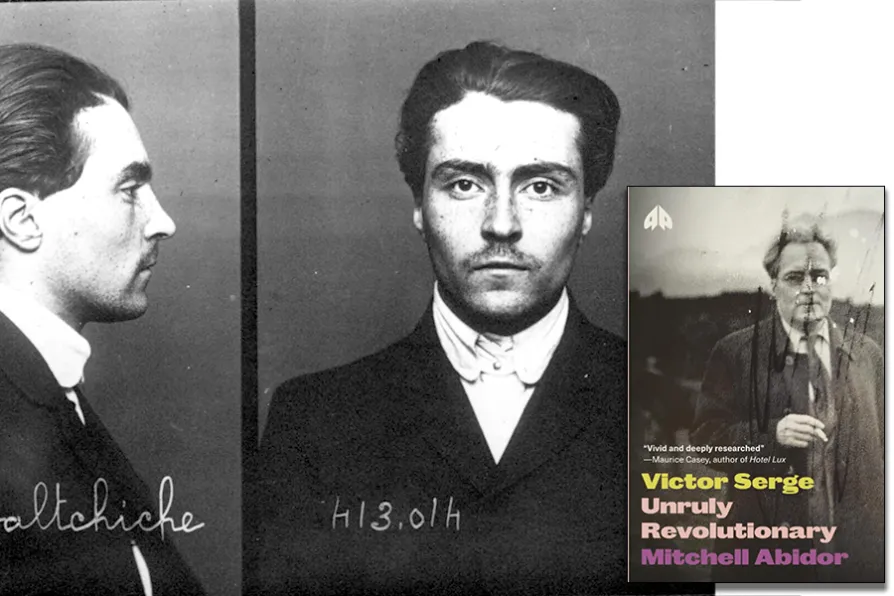
HENRY BELL salutes a fine portrait of a revolutionary who remains a deeply significant and provocative figure
It may have become a traditional month for holidays, but episodes from early British labour movement history show that class struggle never takes time off, argues KEITH FLETT

Keir Starmer's early political life suggests a very different future from the one he ultimately embraced, says KEITH FLETT

Labour movement history in Britain shows workers secured reforms through collective pressure and political representation, rather than being gifted from above, writes KEITH FLETT