The question is not simply how much we spend on defence, but what we understand defence and security to mean, says SIMON BRIGNELL



Workers strike back!
The most powerful tool of organised labour is the strike but there is no record kept of where these actions are taking place. Strike Map UK want to change that, write HENRY FOWLER and ROBERT POOLE


Given the recent rejection of peace proposals by Israel the world must provide an immediate and resolute response to force accountability on Gaza, argues RAMZY BAROUD
MARK SEDDON tries to cool off in the countryside to avoid the heatwaves but the greed and incompetence of the privatised water industry is now at boiling point
The disputed election of a far-right president, who is also a US citizen, signals further consolidation of Washington’s regional power and represents a threat to the country’s democracy and sovereignty, writes WT WHITNEY JNR
by Her Excellency Ismara Mercedes Vargas Walter, Ambassador of the Republic of Cuba to the United Kingdom
DR STEPHEN WILKINSON assesses the life and legacy of a revolutionary giant





TWENTY twenty has shown us, if nothing else, the value of belonging to a union. When our bosses and our government let us down it’s to our unions we turned.
The most powerful tool at the disposal of organised labour is the strike. The strike serves many purposes including: demanding concessions of capital, and perhaps more importantly, realising worker power through disrupting capital through what Tronti referred to as a “refusal to work.”
Strikes develop class consciousness and by emphasising the collective power of workers they build solidarity.

Similar stories
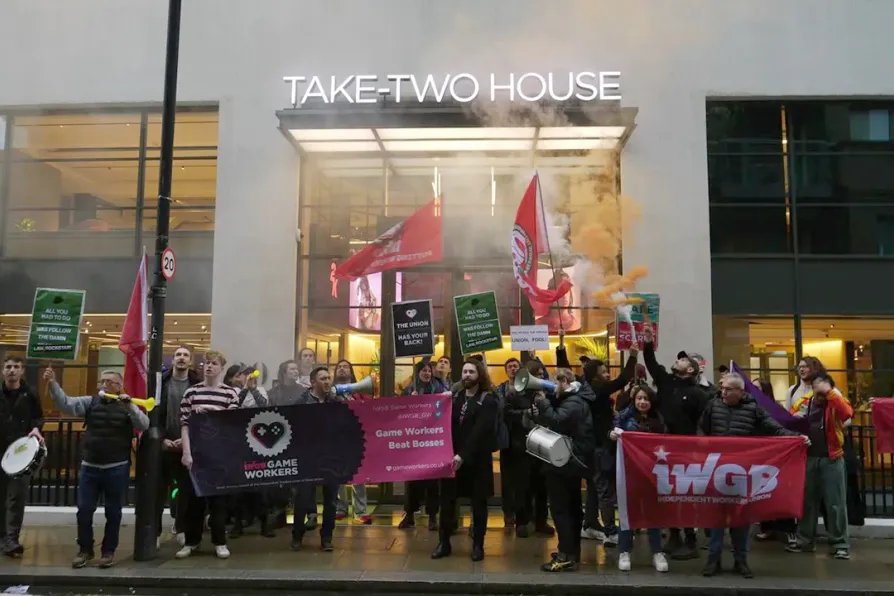
Strike Map co-founder HENRY FOWLER discusses the significance of today’s joint union letter to video game giant Rockstar, demanding trade union recognition for its workers. Their conversation highlights how our movement can harness its collective power to rebuild union power across the private sector
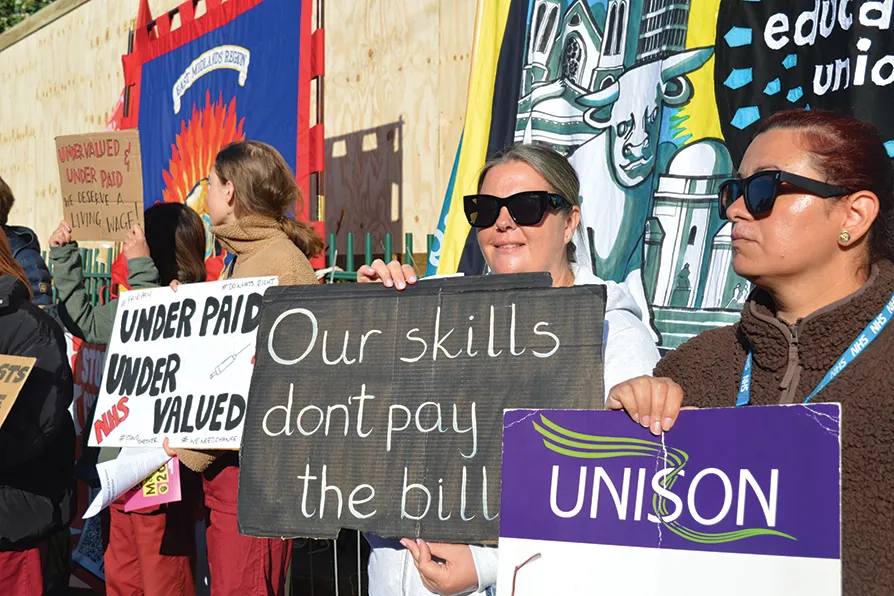
Solidarity is needed for the longest strike in NHS history, argues HENRY FOWLER of Strike Map
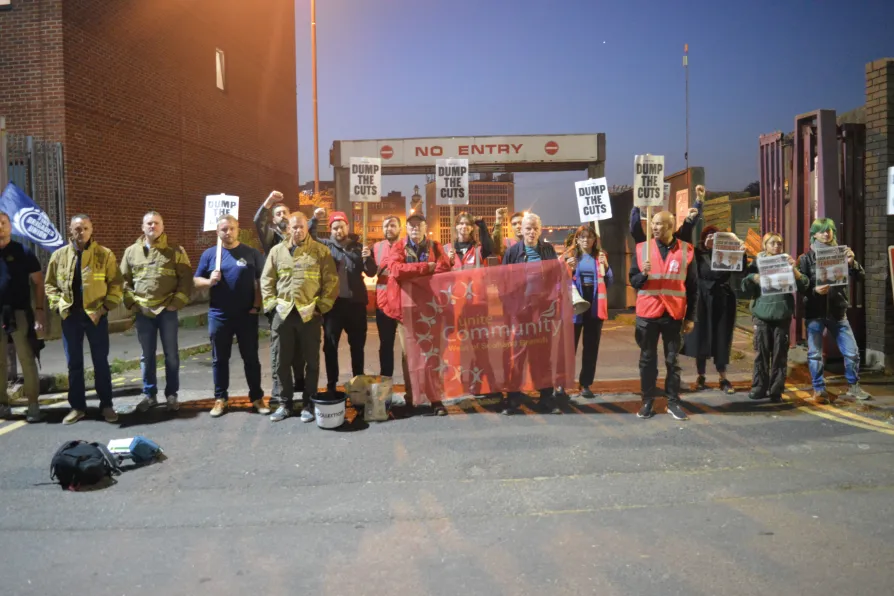
Since 2023, Strike Map has evolved from digital mapping at a national level to organising ‘mega pickets’ — we believe that mass solidarity with localised disputes prepares the ground for future national action, writes HENRY FOWLER