
Washington’s inability to subjugate Iran is an example of how it is trying to preserve a regional order that no longer exists, argues RAMZY BAROUD


Collective memory, fractured meanings
There has been a tendency to impose a singular interpretation of the Holocaust and the history of Jewish persecution – yet more dynamic interpretations can shine a valuable light on other traumas and oppressions, argues JULIA BARD
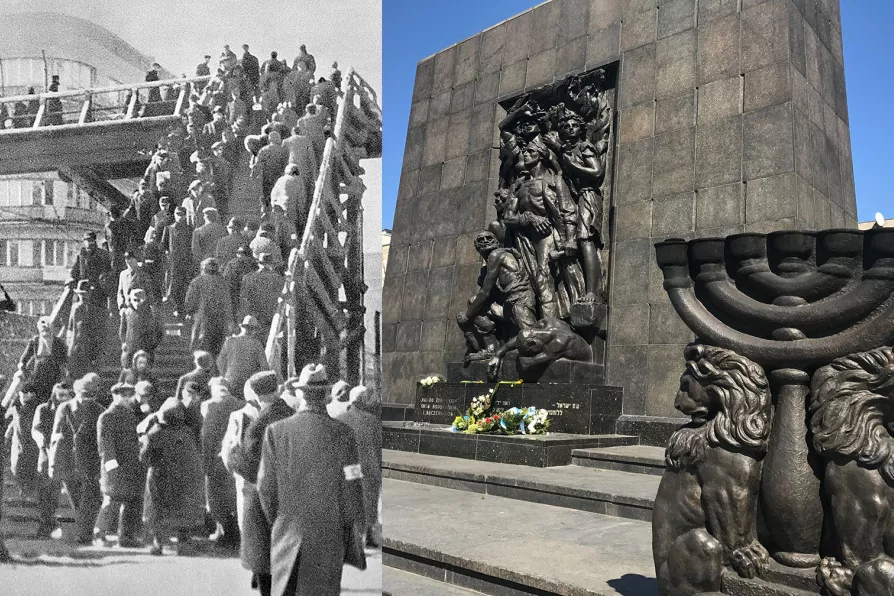
 A footbridge in the Warsaw Ghetto, pictured in 1942, and the ghetto memorial designed by Nathan Rapoport
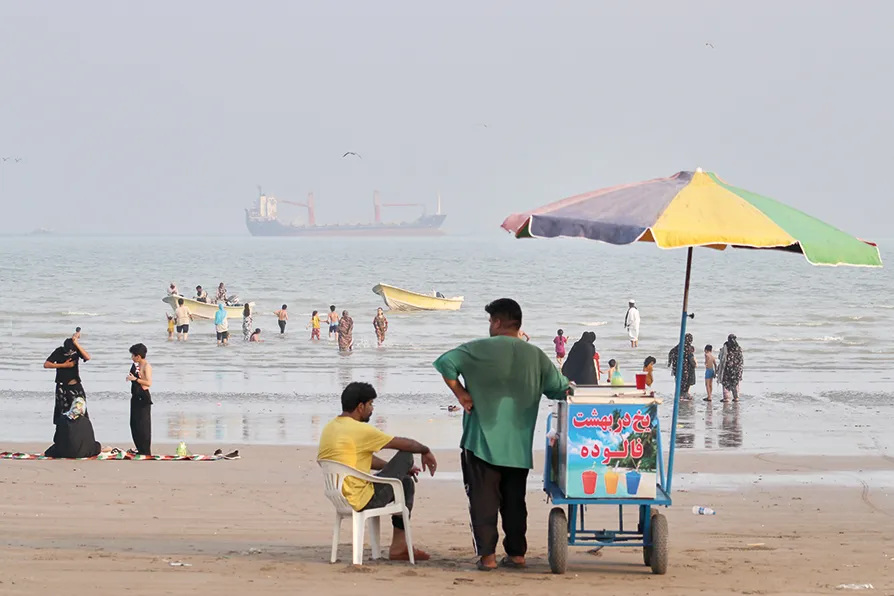
US financial instability is exposing the limits of a dollar-dominated global economy — and giving the Global South a historic chance to build an alternative, says MURAD QURESHI
DOUG NICHOLLS says the parasitic finance markets must be challenged or another British government could be toppled
The late country singer’s Imagination Library has put hundreds of millions of books into children’s hands. We should build on that legacy by defending the libraries at the heart of our communities, says BRENDA AITCHISON
Deprivation is a fundamental factor in criminal behaviour that must be addressed but, KENNY MacASKILL argues, there needs to a major rethink in sentencing to tackle overcrowding
MML director MEIRIAN JUMP outlines the recently refreshed library’s busy autumn schedule that ranges from book sales, archival exploration, community work with online education and the ever popular site tours
TONY BURKE surveys the shifting political landscape and the challenges Labour needs to address if it is to prevail in the 2028 federal elections





IN THE heart of the former Warsaw Ghetto an 11-metre-high black monument rises out of a wide, empty square.
One side of the monument is a dramatic sculpture of muscular fighters, young men and women in ragged clothes and with basic weapons, around the central figure of Mordechai Anielewicz, commander of the Warsaw Ghetto Uprising when, in 1943, a remnant of the Jewish population for three weeks held off a Nazi army determined to obliterate Jewish life in Europe.
At the base of the sculpture are inscriptions in Polish, Yiddish and Hebrew honouring “The Jewish people — its fighters and martyrs.”

Similar stories
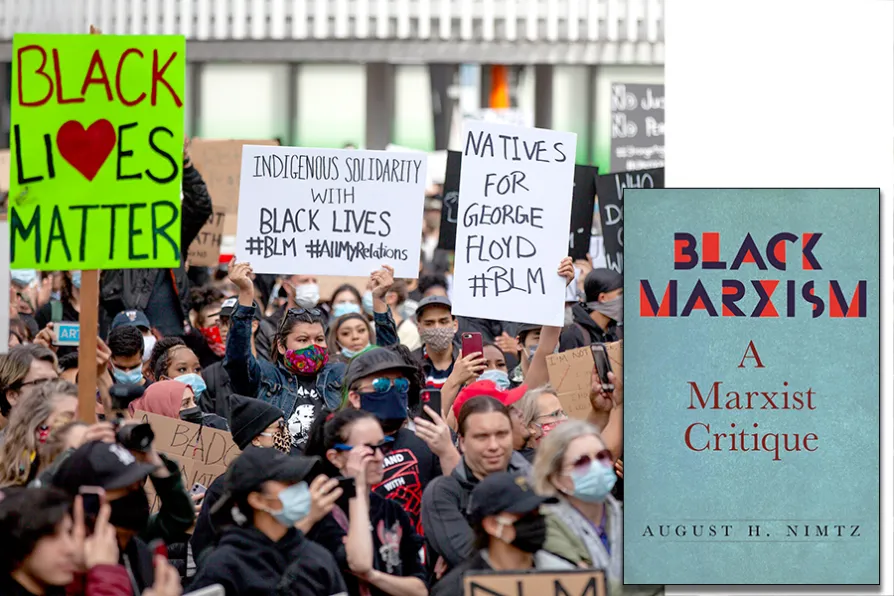
SETH SANDRONSKY recommends a Marxist critique of the ‘race-first’ views of the influential black US theorist Cedric Robinson
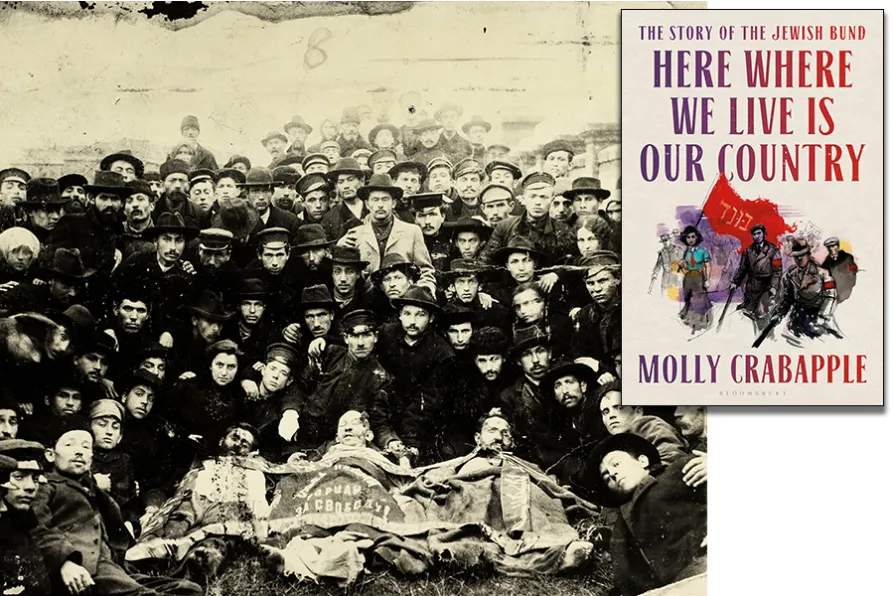
ALEX HALL welcomes a history of the Bund, and its emphatic demand for working-class solidarity across racial and ethnic difference
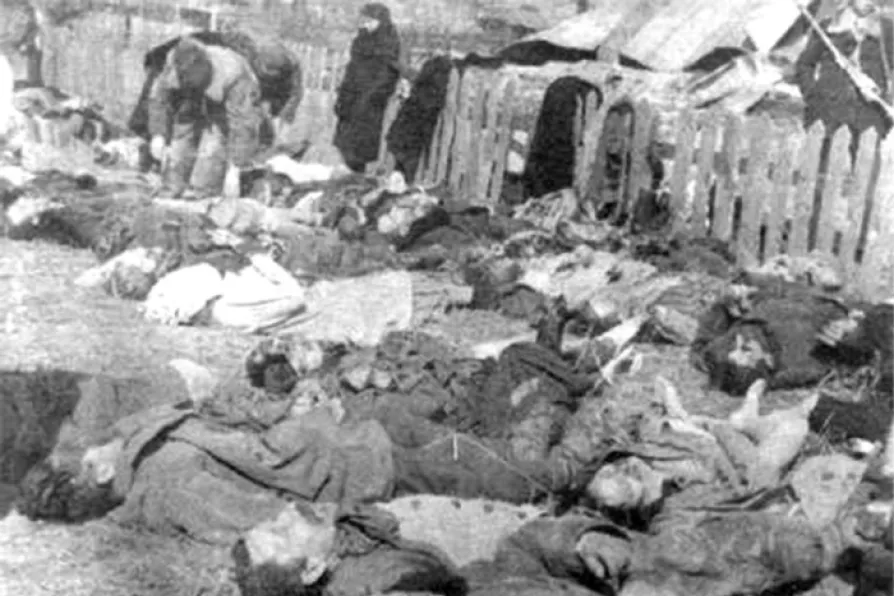
Poland’s anger over Ukraine’s celebration of the Nazi collaborationist UPA reflects more than historical grievance, says KENNY COYLE
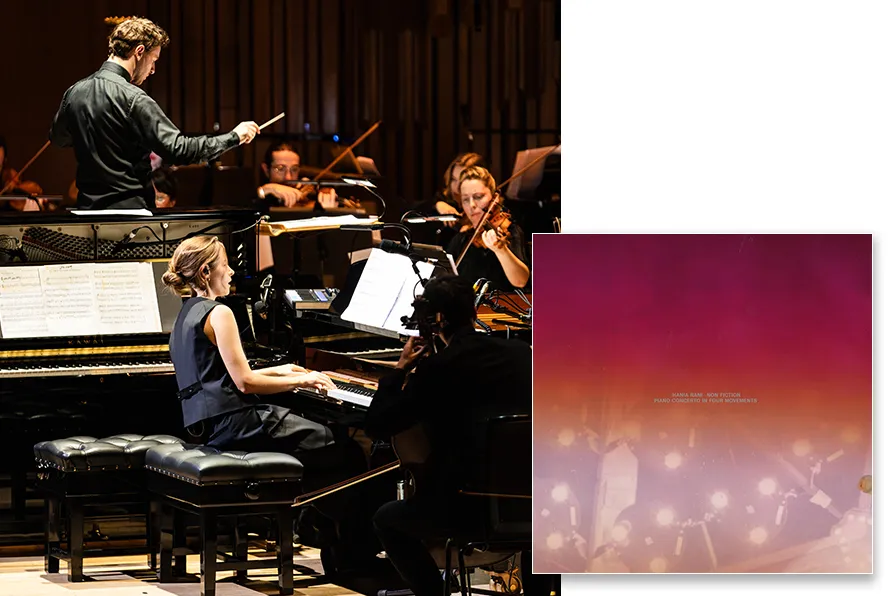
WILL STONE witnesses an experimental piano concerto inspired by the work of a young Jewish victim of the Nazis