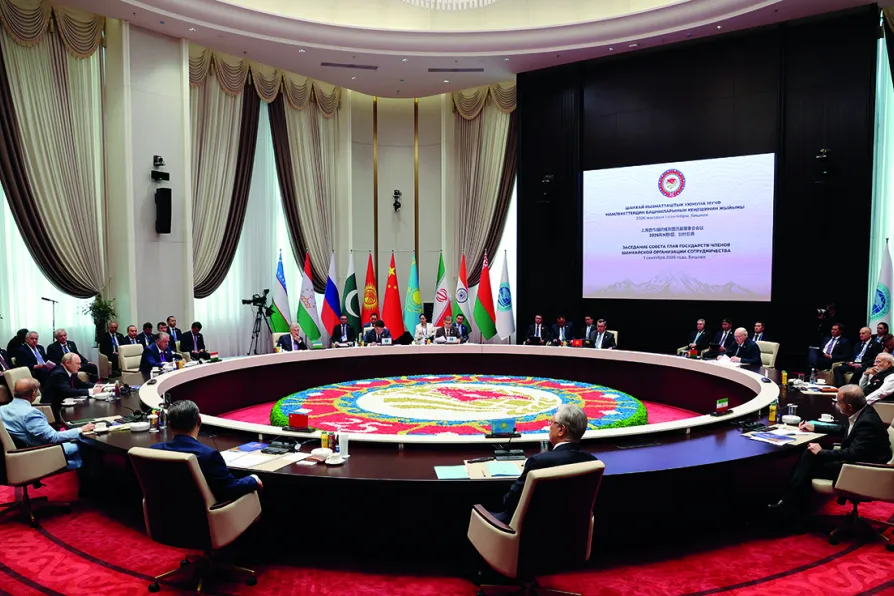
The 25th anniversary meeting of the Shanghai Co-operation Organisation in the Kyrgyz capital may offer a glimmer of hope that international relations do not need to be defined by endless confrontation, writes KENNY COYLE


 Latest editorial

The science, sex and gender debate
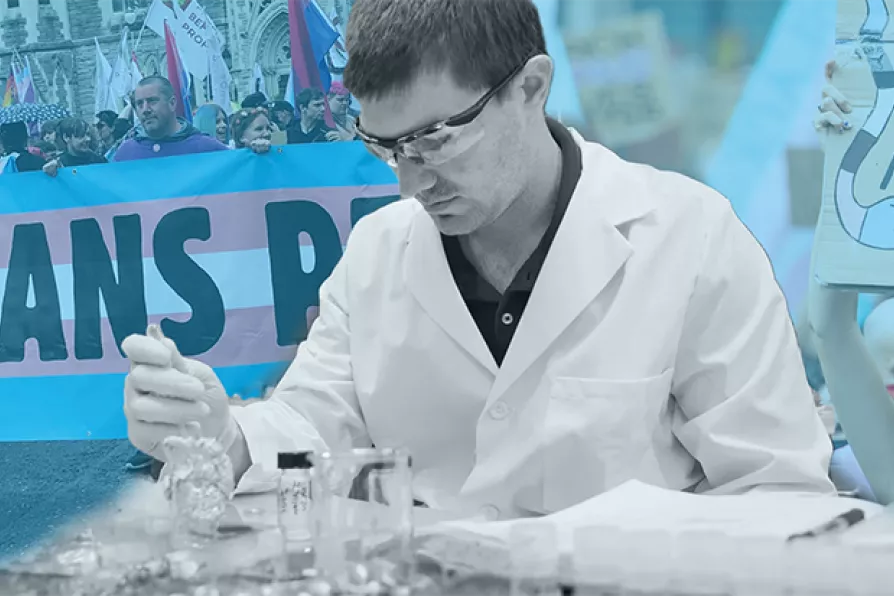
Does science 'disprove' transgender identity? No, argue ROX MIDDLETON, LIAM SHAW and JOEL HELLEWELL
The artist, who has just died, is embedded in the subconscious of the Palestinian people
The five young men killed in the A66 crash were responsible for a devastating tragedy — but the crash should force us to ask difficult questions about wider society, argues RENATA MEDEIROS MIRRA
Britain funds the policing of black culture 16 times better than the culture itself. The Diamond Jubilee is the moment to end that, argues CLAUDIA WEBBE
Despite Andy Burnham’s declaration defending the continued partition of the island, all major international and internal trends are converging to make Irish reunification inevitable
Humans are part of the ‘animal kingdom’ – and of nature in general – but also distinct from it and labour (work) is part of what makes us unique, declared Engels. His insights 150 years ago into how our species came to be and how we differ from the rest of nature, are as important today as they were then, says the MARX MEMORIAL LIBRARY
Committee for the Defence of the Iranian People’s Rights general secretary GAWAIN LITTLE discusses the impact of the US-Israeli war on the Iranian people and economy





BIOLOGICAL SEX is an important adaptive function for a vast number of plant and animal species. The recombination of genes during sexual reproduction allows fast adaptation by producing a kaleidoscope of new possibilities. Species that use sexual reproduction have sex gametes which divide up and recombine genes from each parent to produce a new organism.
Many species of plants and animals are also hermaphroditic. This means a single organism has both male and female sex cells, allowing for self-fertilisation where sexual reproduction does not require another organism. Other species convert between different sexes depending on their age, the sex of their peers, or their environment. Other species do not have different sexes at all.
The observation of nature is a fascinating resource to draw on when understanding ourselves as animals. We can observe both similarity and difference between ourselves and other organisms, whatever they are, as a function of our imagination and capacity to think through analogy.

Similar stories
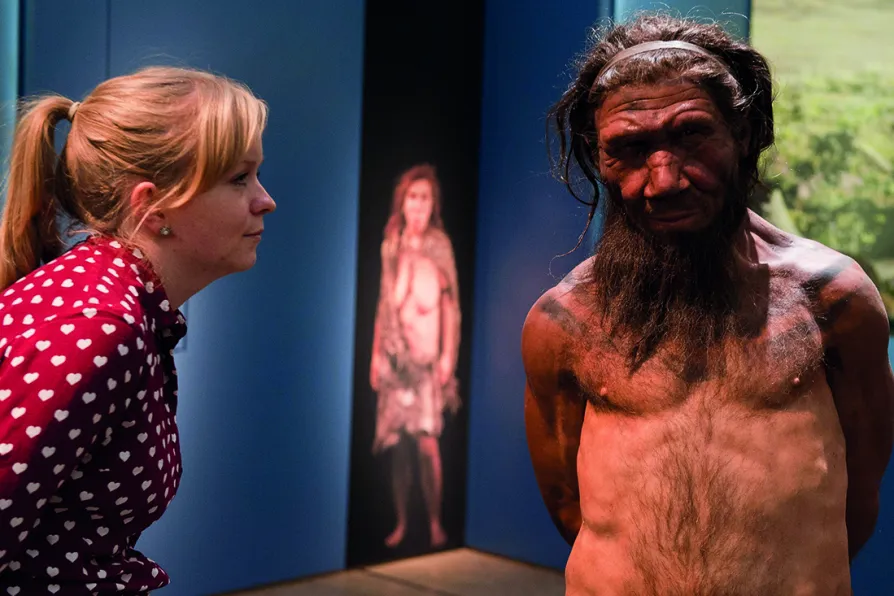
Humans are part of the ‘animal kingdom’ – and of nature in general – but also distinct from it and labour (work) is part of what makes us unique, declared Engels. His insights 150 years ago into how our species came to be and how we differ from the rest of nature, are as important today as they were then, says the MARX MEMORIAL LIBRARY
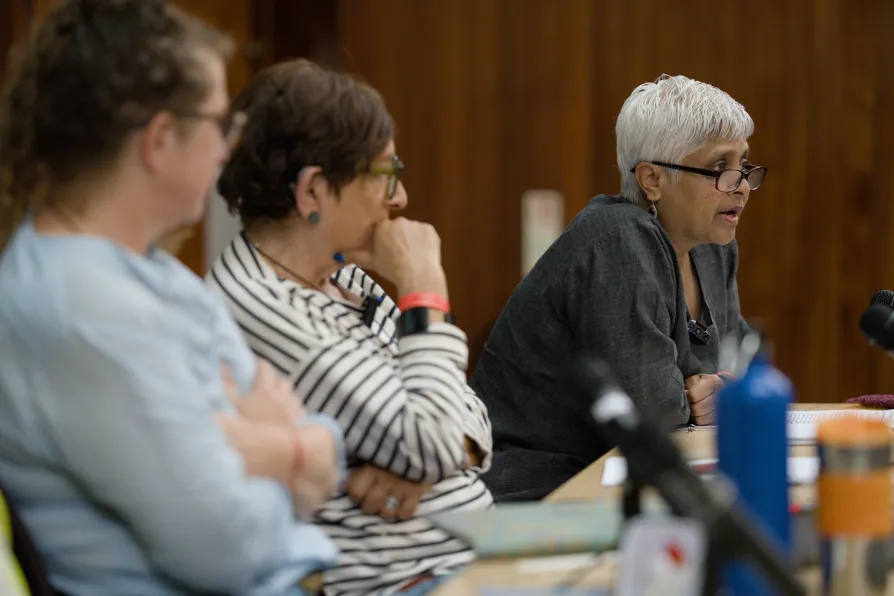
Socialists, feminists and trade unionists gathered in Manchester to launch a network committed to evidence-based activism with a renewed emphasis on class and collective struggle. ANNA BARRETT reports

Professor MARY DAVIS argues that feminism has been hollowed out by liberal co-option – and only a revival of socialist, class-based politics can restore International Working Women’s Day’s original, radical purpose
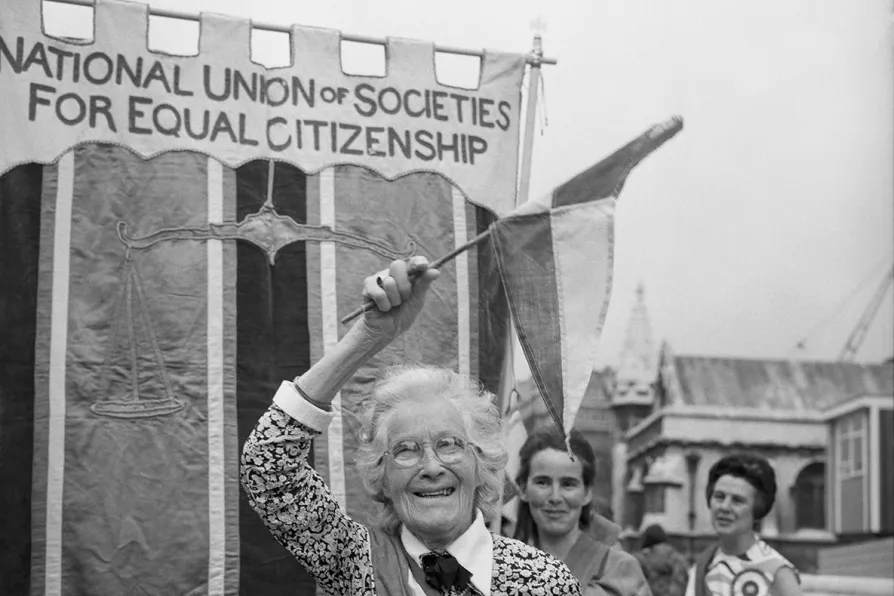
Half a century after transformative laws reshaped Britain, women’s rights are again contested. This International Women’s Day is a call to remember how change was won, and to organise to defend it, says KATE RAMSDEN