Unity supplement
EU chief takes U-turn over Russian oil ban
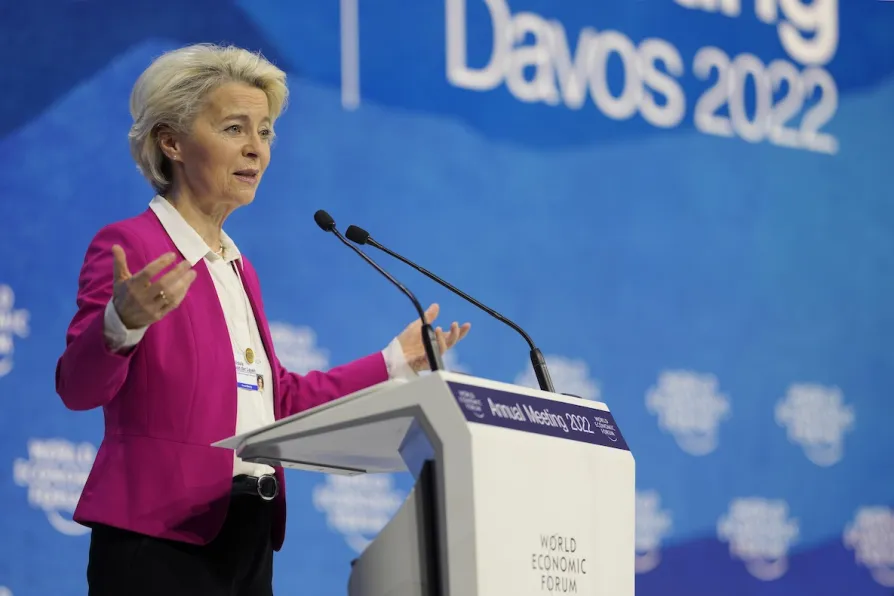
Ursula von der Leyen, President of the European Commission speaking at the World Economic Forum in Davos, Switzerland, Tuesday, May 24, 2022.


EUROPEAN UNION chief Ursula von der Leyen has performed a U-turn over a ban on Russian oil, saying that it would be wiser to continue imports.

In an interview broadcast on United States news channel MSNBC on Saturday, she said the EU would do more damage to Russia by continuing to buy Russian oil than via an embargo. 

“What we also always have to do is find the right balance between not hurting our economy too much, because this is the strongest leverage we have against this Russian aggression, [President Vladimir] Putin’s aggression,” she said. 

The 95th Anniversary Appeal
Support the Morning Star
You have reached the free limit.
Subscribe to continue reading.
Similar stories
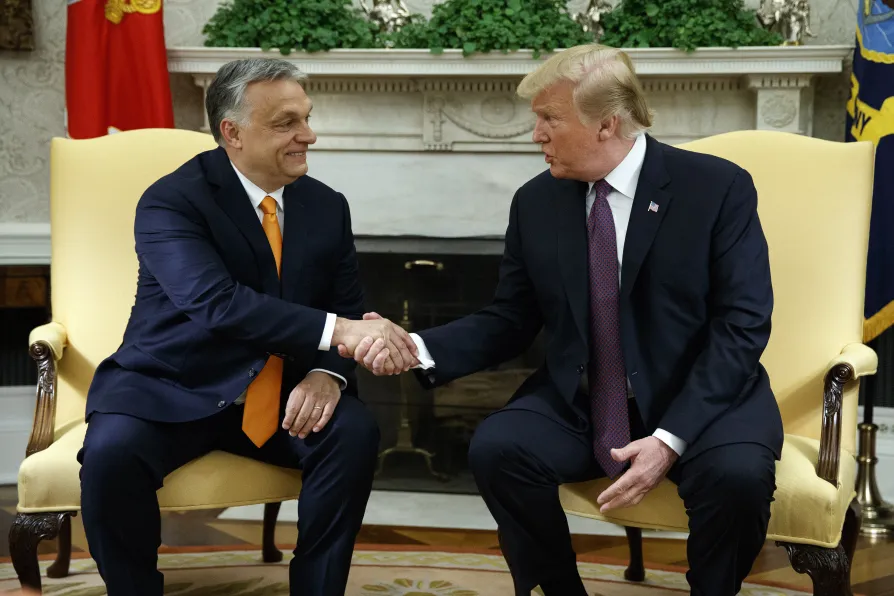
US President Donald Trump meets with Hungarian Prime Minister Viktor Orban in the Oval Office of the White House in Washington, May 13, 2019
Central Europe / 26 September 2025
26 September 2025
Monica Crowley, White House chief of protocol (obstructed at left) greets European Commission President Ursula von der Leyen, right, upon arriving to meet with President Donald Trump and Ukraine's President Volodymyr Zelenskyy, August 18, 2025
Features / 28 August 2025
28 August 2025

US tariffs have had Von der Leyen bowing in submission, while comments from the former European Central Bank leader call for more European political integration and less individual state sovereignty. All this adds up to more pain and austerity ahead, argues NICK WRIGHT

Hungary's Prime Minister Viktor Orban arrives for an EU summit at the European Council building in Brussels, Thursday, June 26, 2025
LGBTQIA+ / 26 June 2025
26 June 2025
Features / 12 February 2025
12 February 2025
As a partial successor to the post-war Marshall Plan, USAid is not simply a humanitarian aid programme, but is involved in projecting US power as an instrument of foreign policy, argues NICK WRIGHT