Growing instability in the US economy and financial markets could have serious consequences worldwide because of the central role of the US dollar and financial system, argues MICHAEL BURKE


 Latest editorial

Britain should commit itself to non-interference and peaceful co-existence
LIBERATION is keen to see that any new prime minister commits to an agenda based upon respect for human rights, support for UN development goals, no arms sales to dictatorships and opposition to British intervention in foreign conflicts


Despite Andy Burnham’s declaration defending the continued partition of the island, all major international and internal trends are converging to make Irish reunification inevitable
The left needs a bold energy vision – because if it fails to provide one, others will shape the future in their own interests, argues ALAN SIMPSON
From Margate to Deal, mining memories are being kept alive. National co-ordinator for General Strike 100, HENRY FOWLER continued his nationwide tour of partner organisations in the Garden of England
Humans are part of the ‘animal kingdom’ – and of nature in general – but also distinct from it and labour (work) is part of what makes us unique, declared Engels. His insights 150 years ago into how our species came to be and how we differ from the rest of nature, are as important today as they were then, says the MARX MEMORIAL LIBRARY
Boxes of books, family photos and heirlooms, labour movement anniversaries, along with nostalgic memories of glorious childhood days on the Ayrshire coast still leave room for a wistful MATT KERR to hope for a better future





THE escalation in military expenditure over recent years to maintain a commitment to Nato of defence spending at 2 per cent of the GDP, has seen Britain engaged in a range of armed conflicts such as Afghanistan, Iraq, Libya, and Syria.
British weapons have been at the core of the bombardment of Yemen since 2015 by the Saudi-led coalition, creating one of the world’s worst ever humanitarian disasters.
The “global Britain” policy of outgoing PM Boris Johnson, has been central to the concept of British intervention beyond British borders. Deployment of aircraft carriers in the South China Sea, well outside any reasonable definition of Britain’s “sphere of interest,” potentially puts Britain in the front line in any conflict with China.

Similar stories
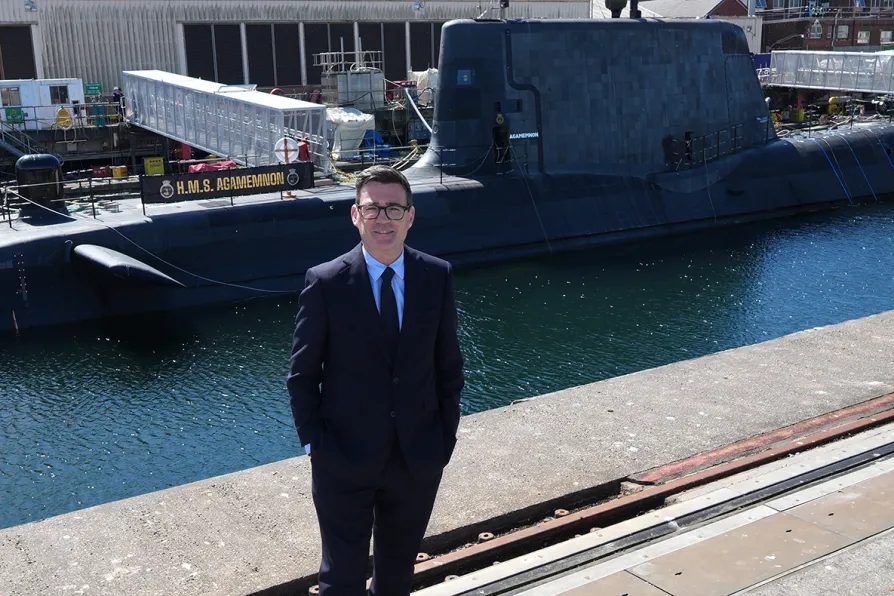
PM commits to blowing millions on nukes
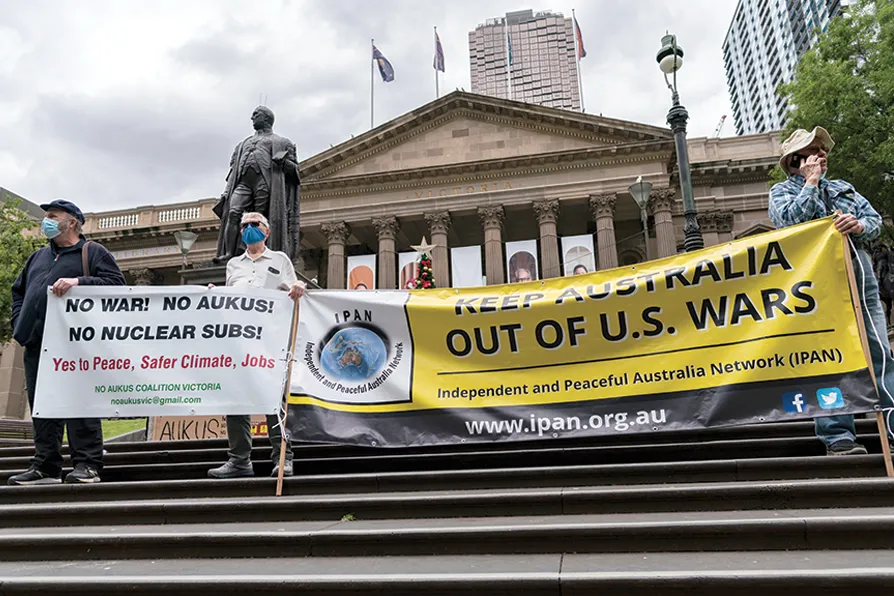
MIKE MARTIN surveys the regional opposition to US attempts to force the region into a military confrontation with China
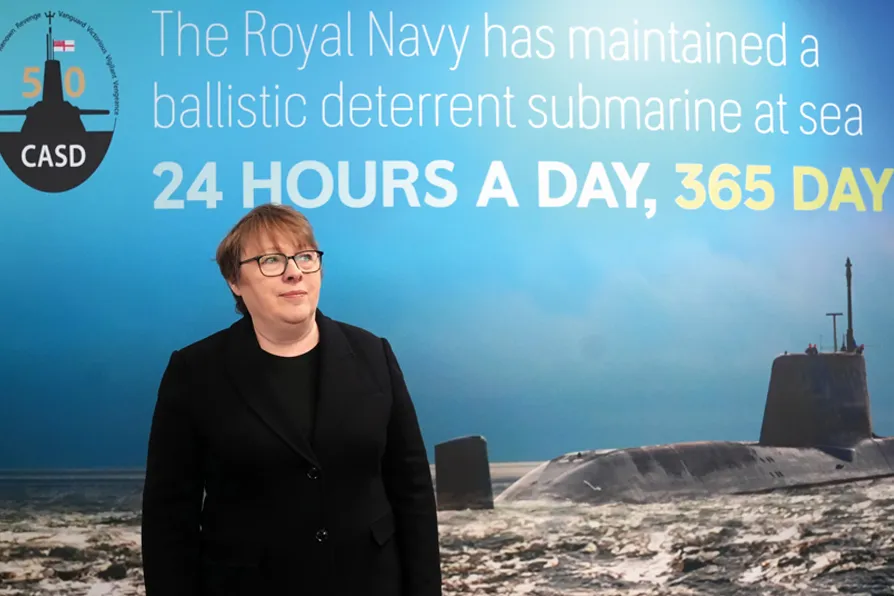
Expanding Britain’s nuclear capability increases the risk of nuclear confrontation. It does not keep us safe – it makes us a target, argues CAROL TURNER

The defence secretary’s resignation reveals not a split over principle but a dispute over pace of military spending, as Britain’s political Establishment unites behind deeper Nato commitments, argues NICK WRIGHT