The new Prime Minister must abandon decades of automatic support for US foreign policy, which makes us all less safe, argues DIANE ABBOTT MP


 Latest editorial

July 1943: the Sicily landings and the Kursk battle
JOHN ELLISON shows how the calculated moves of the West and East during their time as allies against fascism would prefigure the divided Europe of the cold war to come
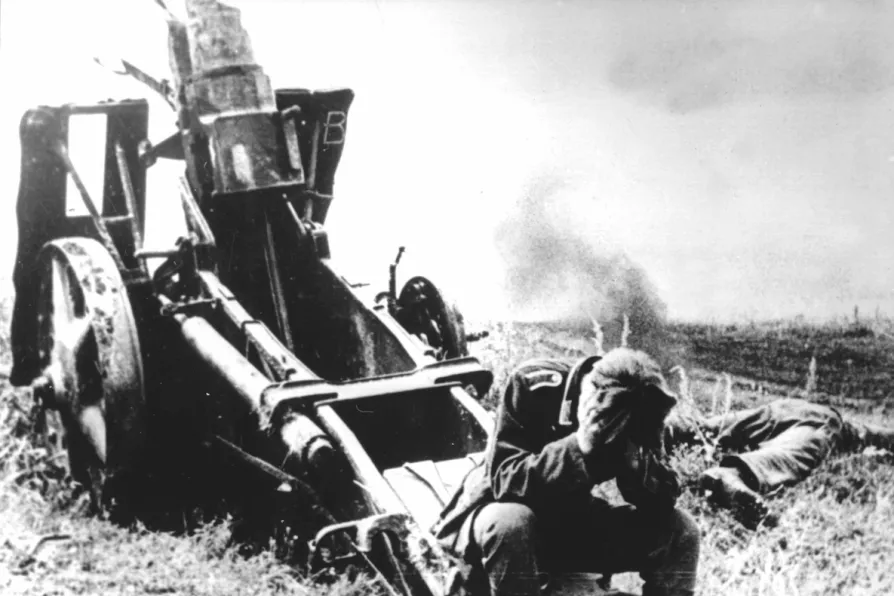 DISASTER FOR THE NAZIS: A German soldier in the Orel Salient sitting in despair on the remains of an artillery piece after the Battle of Kursk. A dead comrade lies nearby

Media Lens at 25: David Cromwell and David Edwards reflect on a quarter-century of media criticism, explaining why independent journalism is more important than ever
by Weyman Bennett and Maz’s family
The International Court of Justice has delivered its clearest ruling yet that the right to strike is protected under international law, write Professor TONIA NOVITZ, Professor KEITH EWING and Lord JOHN HENDY KC
Emergency phone alerts could help Britain respond to rising wildfire risk, but Australia’s experience suggests they work best as part of a broader strategy, write ELLIOT CONVERY-FISHER and KATE PARKINS
A champion motorcyclist, trade union organiser and communist, Clem Beckett went from Britain’s speedway tracks to the battlefields of Spain, where he gave his life resisting Franco’s forces at Jarama. GEOFF BOTTOMS pays tribute to this remarkable anti-fascist





IN July 1943, 80 years ago, WWII, inherently horrific, as is all war, became still more so. On July 5, south-west of Moscow, a massive tank-centred attack by Nazi Germany commenced against the westward-leaning Kursk “bulge,” located between Nazi-occupied Orel and Belgorod, more than 150 miles further south.
Five days later, substantial landings of Western Allied forces took place in Sicily.
Information received in Britain about progress in both places was inevitably limited. On July 13 the Daily Worker commented: “The two battles, in Sicily and at Kursk, grow in intensity. The next days and hours are an anxious period in which big issues will be decided.” Two days later the paper announced: “From both the news is good.”

Similar stories
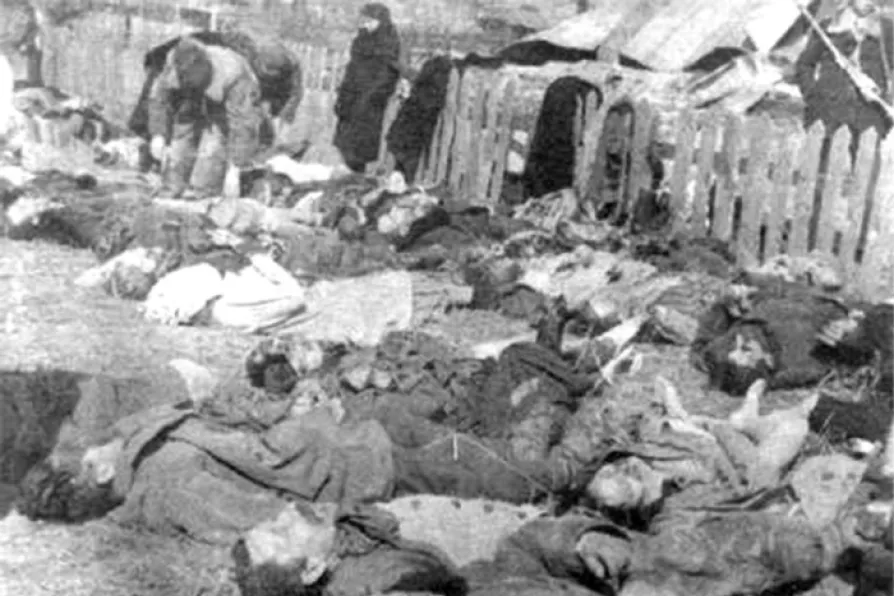
Poland’s anger over Ukraine’s celebration of the Nazi collaborationist UPA reflects more than historical grievance, says KENNY COYLE
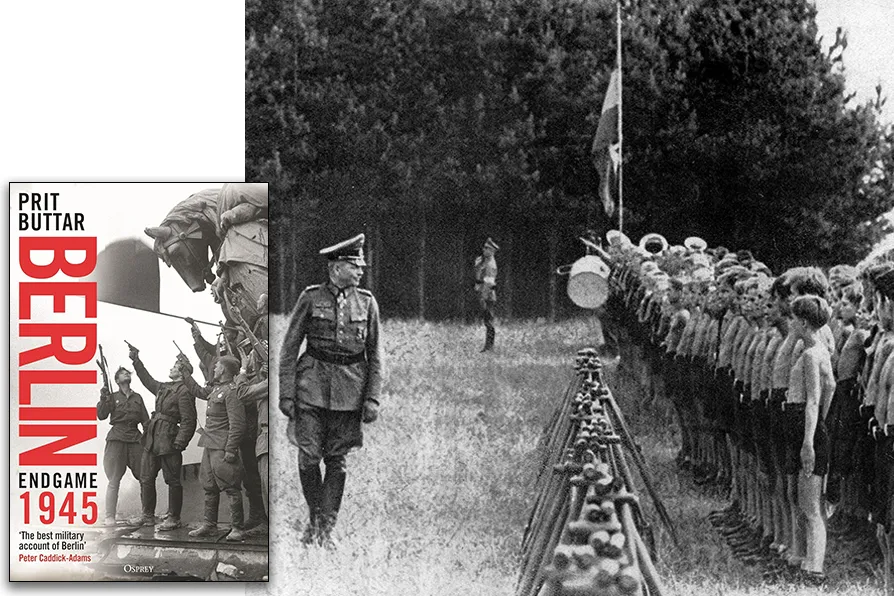
WILL PODMORE admires an account of the liberation of Berlin that overthrows the conventional US army-inspired account
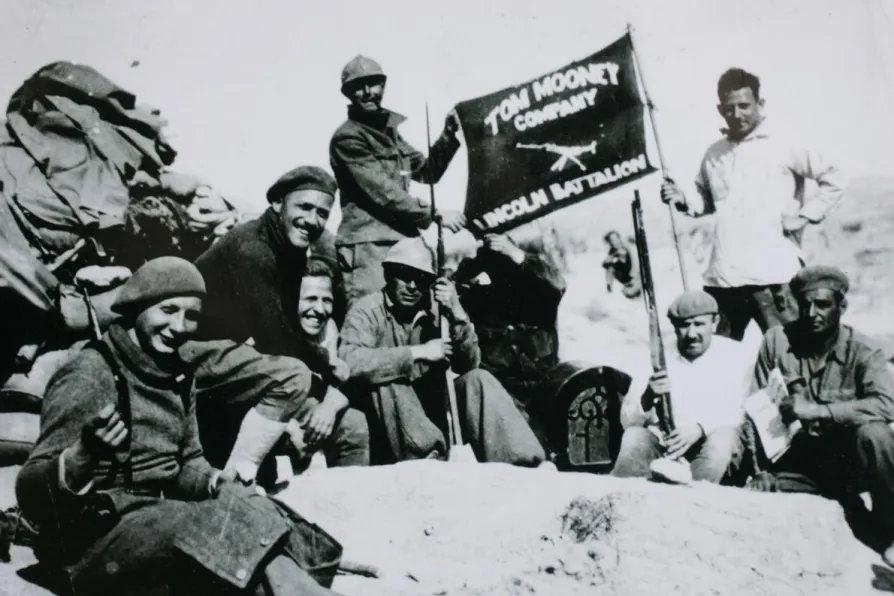
CJ ATKINS commemorates one of the most dramatic moments in working-class history

In a speech to the 12th Xiangshan Forum in Beijing, SEVIM DAGDELEN warns of a growing historical revisionism to whitewash Germany and Japan’s role in WWII as part of a return to a cold war strategy from the West — but multipolarity will win out