
The US administration is endangering lives by reversing environmental protection laws, CHAUNCEY K ROBINSON argues

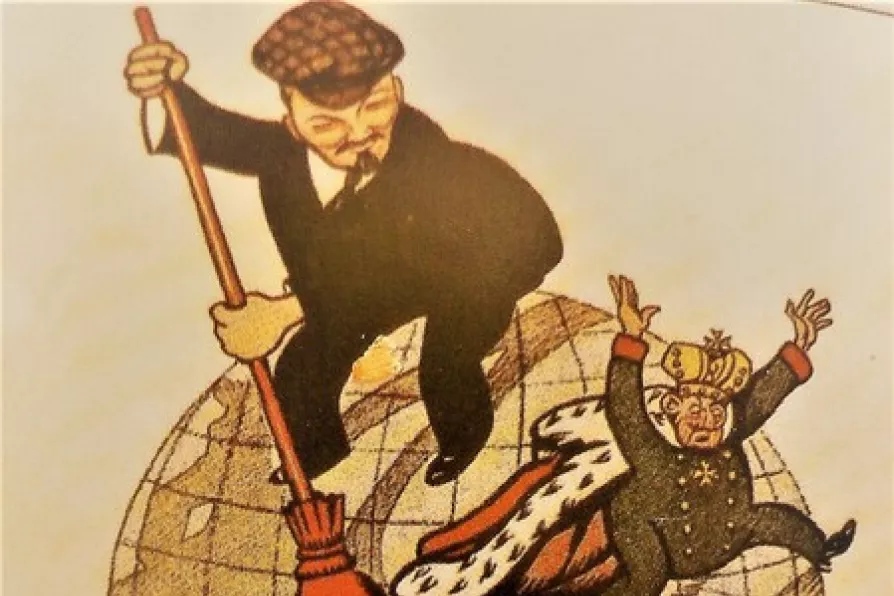
Lenin walks around the world
CARLOS MARTINEZ examines the thought of the great revolutionary leader and the globalisation of Marxism


It’s time to stop retreating and go on the offensive to promote working-class interests, argues DOUG NICHOLLS
Marco Rubio wants to defeat socialism in Nicaragua, not restore ‘democracy,’ writes JOHN PERRY
Believe it or not, there was a time when the US government built beautiful homes for working‑class Americans to deal with a housing shortage, writes ERAN BEN-JOSEPH
DIANE ABBOTT provides an analysis of the reasons for EU and British voters’ dramatic swing to the right
Train drivers’ union Aslef general secretary DAVE CALFE speaks to Ben Chacko about his hopes that Burnham’s devolution agenda will include the importance of the railway





THE original slogan of the communist movement, “Workers of the world unite” — the rallying cry and final phrase from the Communist Manifesto, written by Marx and Engels in 1848 — was put forward at a time when the nascent communist movement was geographically limited to Europe and North America, and focused almost exclusively on the industrial working class.
Lenin’s study of global political economy, and particularly of the dynamics of monopoly capitalism and the emergence of modern imperialism, led him to an acute understanding of the expanded — global — applicability of Marxist thought.
Study of imperialism
Marx had already outlined the economic dynamics of an emerging international capitalism in Volume I of Capital, first published in 1867: “A new and international division of labour springs up, one suited to the requirements of the main industrial countries, and it converts one part of the globe into a chiefly agricultural field of production for supplying the other part, which remains a pre-eminently industrial field.”

Similar stories

Internationalism is deeply embedded in socialist theory and practice. Examination illuminates its complexity asserts the Marx Memorial Library and Workers’ School
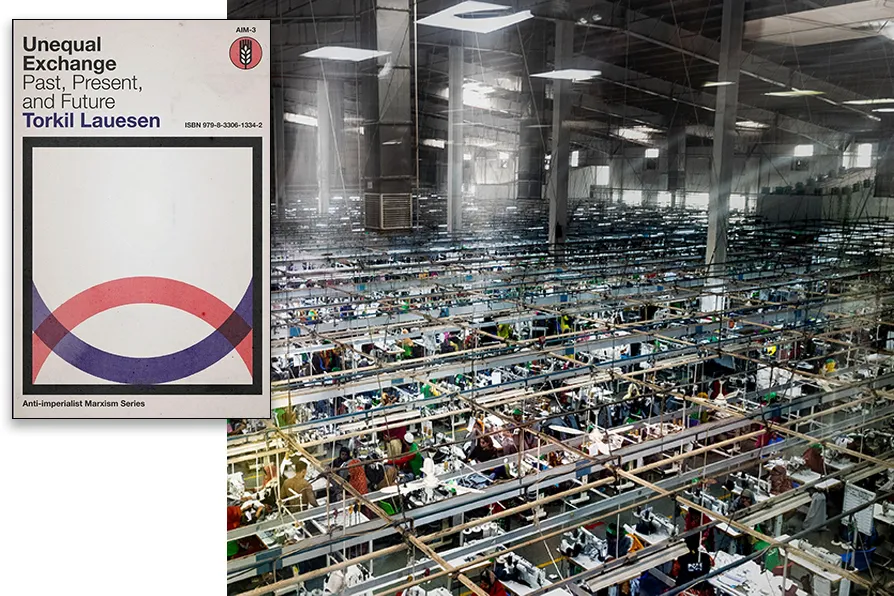
MARTIN GRAHAM welcomes, with reservations, a scholarly addition to the unfinished business of understanding how capital works on a world scale
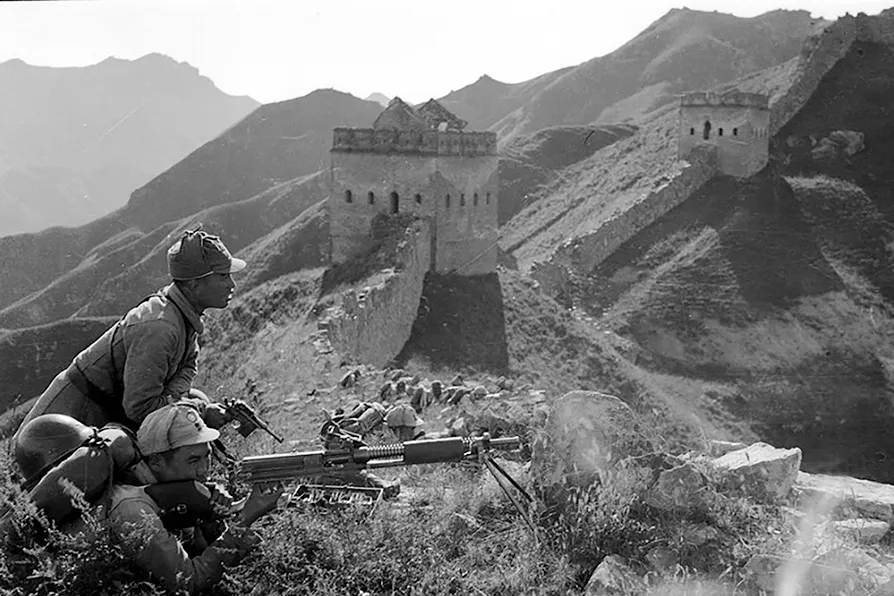
In Part 4 of her look at the Chinese revolution JENNY CLEGG addresses the relationship between the Peasant Movement and the National Movement

BEN CHACKO welcomes a masterful analysis that puts class struggle back at the heart of our understanding of China’s revolution