WILL STONE samples the 20th anniversary atmosphere of this eclectic end-of-season indie festival


 Latest editorial
Drop the Pilate
TOMASZ PIERSCIONEK admires a well-researched and erudite examination of Pilate's role in the condemnation of Jesus Christ
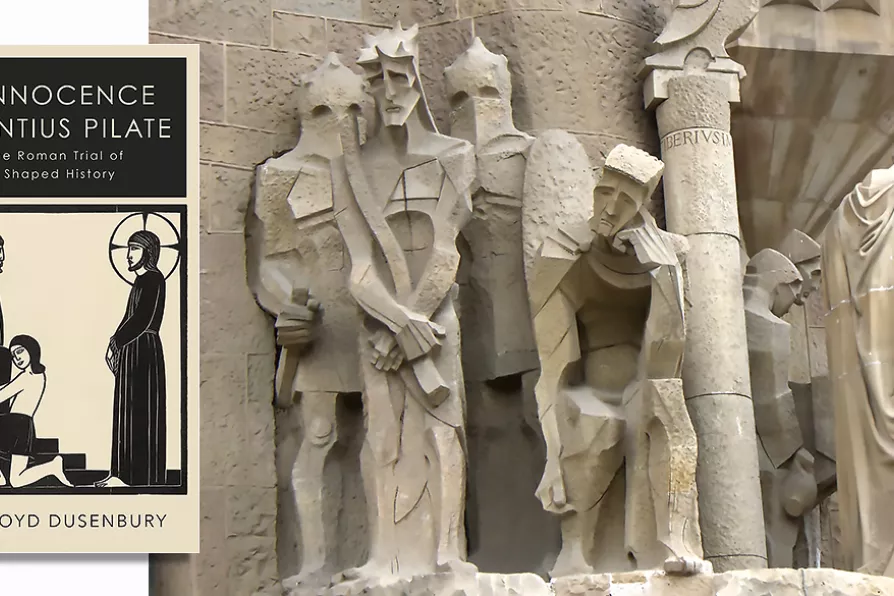 TRUE DILEMMA: Antoni Gaudi’s La Sagrada Familia, Barcelona, Passion facade (detail) with Jesus and Pontius Pilate by catalan sculptor Josep Maria Subirachs
[Rp22/CC]
TRUE DILEMMA: Antoni Gaudi’s La Sagrada Familia, Barcelona, Passion facade (detail) with Jesus and Pontius Pilate by catalan sculptor Josep Maria Subirachs
[Rp22/CC]

Comics are not just superheroes and spandex – it can be public art, telling public stories, suggests HARRIET EARLE
The bard serenades the Diggers of Wigan and their festive followers
ALEXEI SAYLE speaks to Angus Reid about a lifetime of protest, how to hone political art – and what to do now
ANDY HEDGECOCK, JAMES WALSH, LEO BOIX and MARIA DUARTE review Just An Illusion, Everybody Digs Bill Evans, Blue Film, Oasis: Don’t Look Back in Anger, and Runner
MARIA DUARTE recommends a nerve-wracking reconstruction of the 72 hours before the Normandy landings





The Innocence of Pontius Pilate: How the Roman Trial of Jesus Shaped History
David Lloyd Dusenbury
Hurst, £25
DAVID LLOYD DUSENBURY, philosopher and senior fellow at Budapest’s Danube Institute, undertakes an in-depth analysis of a pivotal event in the history of Christianity that could be arguably deemed the most famous trial in human history.
In the Innocence of Pontius Pilate, Dusenbury methodically examines the judicial proceedings in which Roman governor Pontius Pilate questioned Jesus Christ in a trial that culminated in the latter’s crucifixion and (according to Christian belief) resurrection. Dusenbury looks at how the trial is described in the four canonical Gospels of the New Testament as well as how religious scholars and philosophers reported and interpreted the event during subsequent centuries.
Dusenbury’s scholarly work begins by seeking to determine whether or not Pilate, who governed the Roman province of Judaea in the early 1st century AD, can be considered guilty of Jesus’s death. Dusenbury reveals that this question, which some might consider straightforward, is, in fact, a matter of great complexity from both legal and religious standpoints.

Similar stories
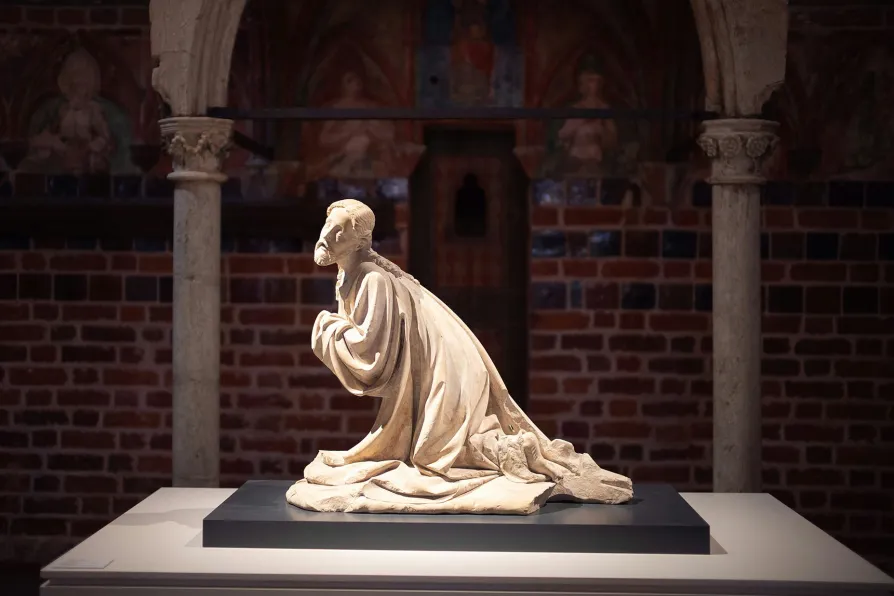
MAT COWARD explains how in the 17th century a row over whether to kneel at communion became a battle over religion, class and royal power
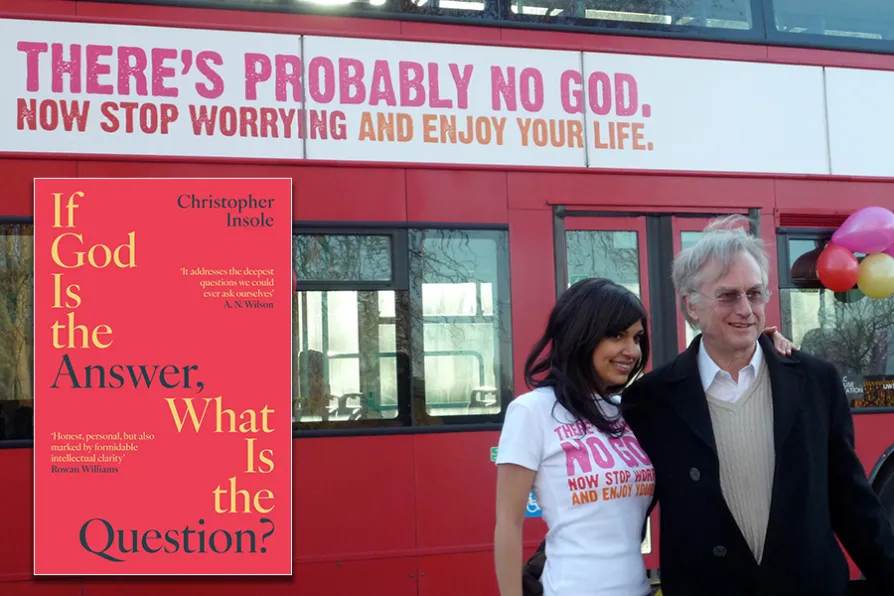
MARTIN HALL welcomes a plea for greater compassion between believer and non-believer via the framework of philosophical enquiry

BEN CHACKO unpicks the significance of the discovery, in 2015, of ancient texts about Confucius. Was he simply a teacher, or a philosopher, statesman and saint?

SYMON HILL looks at Tommy Robinson’s bid to use Christmas to spread division and hate — and reminds us that’s the opposite of Jesus’s message