
Andy Burnham’s leadership will be judged on whether he charts a genuinely different course, argues BECK ROBERTSON


From Gaza to the West Bank: Israel's unyielding war machine
Will 2025 be a year of combat for Israel, as promised by the new IDF chief of staff, wonders RAMZY BAROUD
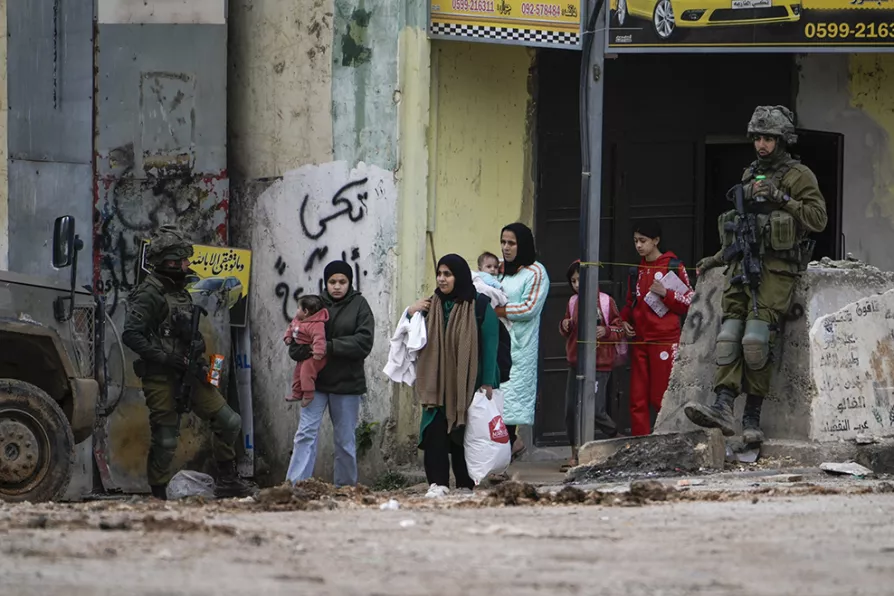
 Residents of the al-Far’a Camp, West Bank, evacuate their homes as the Israeli military continues its operation in the area, Saturday February 8 2025
While Italy’s communist tradition remains fragmented and politically marginal, France’s party is attempting to re-establish itself as an independent force rooted in working-class organisation, says NICK WRIGHT
Critics of UBI underestimate both its political significance and its economic potential, writes BERT SCHOUWENBURG
As Ontario burns, campaigners are demanding action – not more pipelines, says DAVE McKEE
Innovation in biotechnology is changing how we conceive of meat, say ROX MIDDLETON, LIAM SHAW and MIRIAM GAUNTLETT of SCIENCE AND SOCIETY





“A YEAR of combat” — this is how Israel’s new chief of staff, Eyal Zamir, described 2025 at a conference organised by the Israeli Ministry of Defence.
The exact sentence, translated from Hebrew, was: “The year 2025 will continue to be a year of combat.” The word “continue” is crucial, suggesting that Israel will resume its wars, despite ceasefire agreements signed with the Lebanese government in November and Palestinian groups in January. In other words, it seems that Zamir is signalling that Israel will reopen these two fronts, even in the face of ceasefire deals.
Despite Israel’s insatiable appetite for war, it is hard to imagine what the Israeli army could achieve through renewed violence when it has already failed to accomplish its objectives in nearly 14 months in Lebanon and over 15 months in Gaza.

Similar stories

RAMZY BAROUD and ROMANA RUBEO analyse how the US has consistently negotiated in bad faith to secure the element of surprise in military attack

Spain has joined South Africa’s ICJ genocide case against Israel while imposing weapons bans and port restrictions, moves partly driven by trade unions — proving just how effectively civil society can reshape government policy, writes RAMZY BAROUD
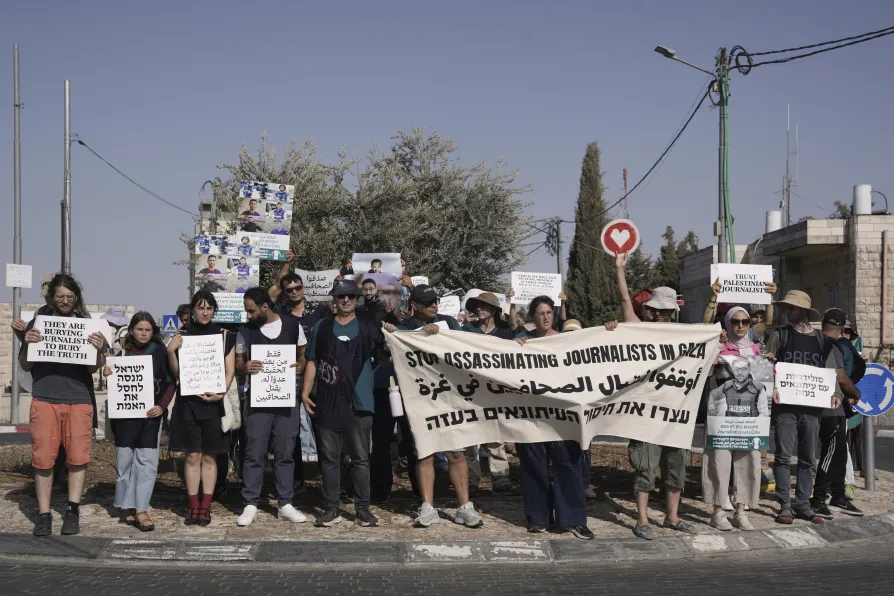
With foreign media banned from Gaza, Palestinians themselves have reversed most of zionism’s century-long propaganda gains in just two years — this is why Israel has killed 270 journalists since October 2023, explains RAMZY BAROUD
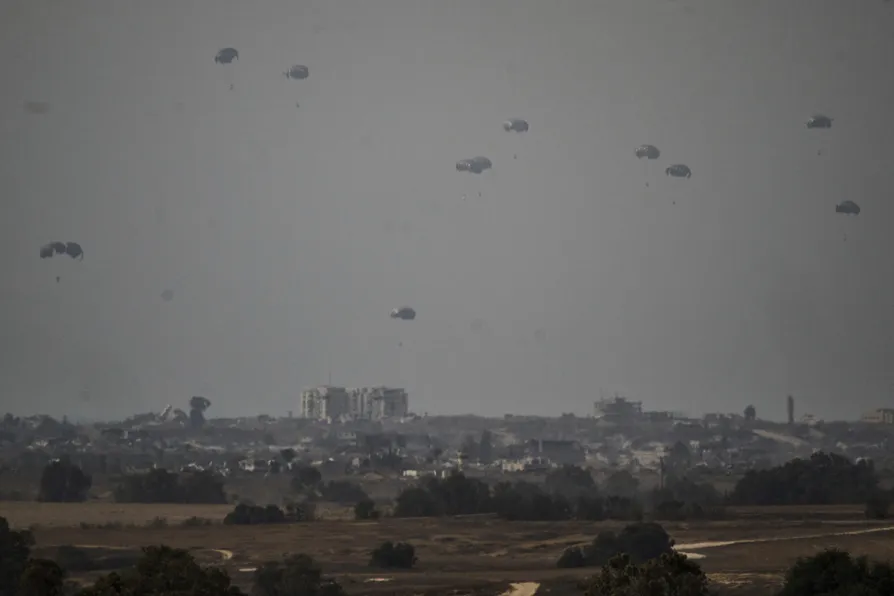
Gaza’s collective sumud has proven more powerful than one of the world’s best-equipped militaries, but the change in international attitudes isn’t happening fast enough to save a starving population from Western-backed genocide, argues RAMZY BAROUD