 Latest editorial
Councillor SAM WHEELER says there’s a tangible shift in mood on the left in the city whose mayor has recently become PM — but there’s no room for complacency



Foreign fields that are forever England
PETER FROST, in poetic mood, takes us back to the year the first world war started and how it bound the short lives of two great poets

Communist Party leaders Alex Gordon and Lorraine Douglas deliver vital medicines in trip to besieged socialist island
TUC Cymru is playing a leading role in tackling far-right ideas in the workplace, says LAURA DOEL
A New Delhi press conference in which Sheikh Hasina and her son implied the new order in Bangladesh is a security threat to India has sparked fears she is planning a comeback. SIAM SAROWER JAMIL reports on the fallout
Two months of student unrest have forced out India’s education minister and rattled the BJP regime. Could this be the beginning of the end for Modi, asks Communist Party of India (Marxist) general secretary MA BABY
MAT COWARD says the heatwave is a testing time for gardeners — but he has some tips





The long hot summer of 1914 has been described as a picnic perfect. It’s a poet’s description.
In the iconic windmill in the pretty little North Norfolk holiday village of Cley next the Sea, poet Rupert Brooke was staying with another poet, Frances Cornford and her classics professor husband, confusingly also Francis.
From the windmill the three of them would walk for miles along the dunes. They bought fish from local boats and picked wild marsh samphire. They argued about poetry and about their hopes for the future. They enjoyed frequent picnics.

Similar stories
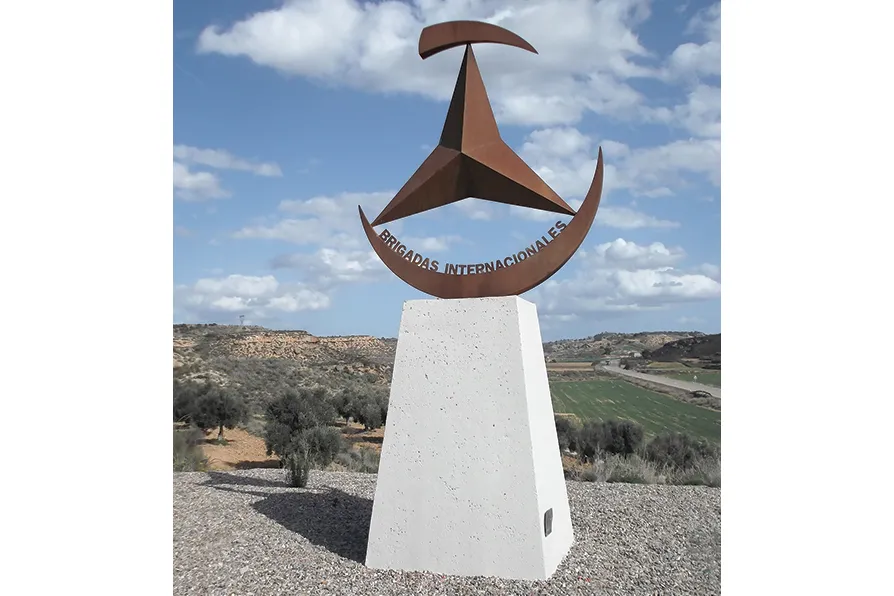
On the 90th anniversary of the outbreak of the Spanish civil war, ALAN MORRISON selects some poems from a new anthology
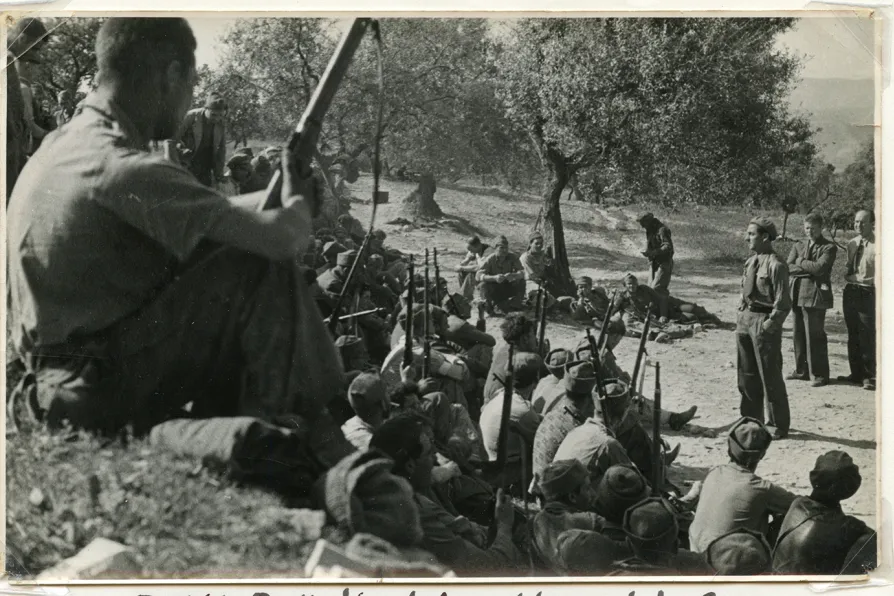
Thousands of remarkable Britons left ordinary lives behind to join the struggle against Franco. Here is a snapshot of those who answered the call
![Harry Pollitt (right) with International Brigade volunteer David Guest, who was killed at the Ebro in July 1938 [Pic: Marx Memorial Library]](https://msd11.gn.apc.org/sites/default/files/styles/desktop/public/2026-07/a-2_a_50b_Harry%20Pollitt_David_Guest.jpg.webp?itok=Ag0u-8n5)
ALEX GORDON applauds the leading role played by Harry Pollitt and the Communist Party in the fight against fascism in Spain and salutes the memory of the International Brigades
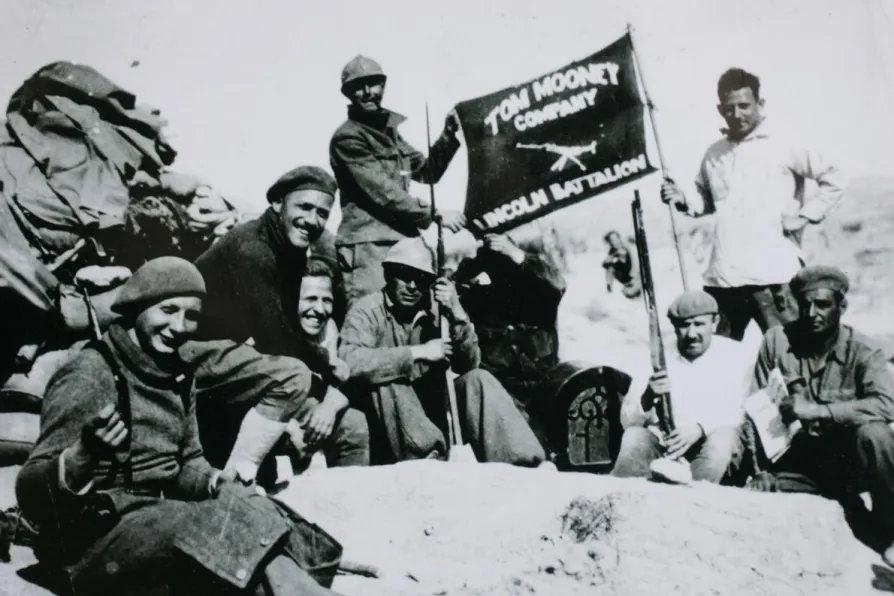
CJ ATKINS commemorates one of the most dramatic moments in working-class history