MARIA DUARTE recommends a remarkable study of the friendship between a Palestinian and a Pakistani, broken by a hostile state


 Latest editorial

A queer black life
Radical Jamaican-American novelist and poet Claude McKay (1889-1948) left the Caribbean in 1912 to study
in the US, where he developed as a radical with communist sympathies. His were the first poems to be published in
Jamaican patois and he later became a key figure in the Harlem literary renaissance.
The queer and black aspects of his London life from 1919 to 1921 are discussed by Gemma Romain and Caroline
Bressey in this extract from a new book on the queer histories of London
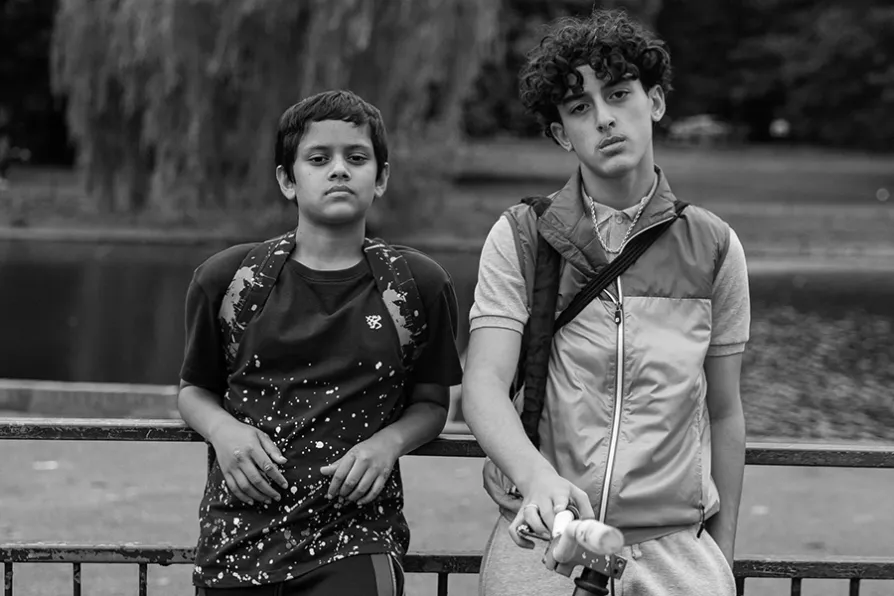
MATTHEW HAWKINS rakes through un-fancy words and flair-free summaries to find who and what might be flamboyant
PETER MASON is exhilarated by an exciting, well-considered and historically minded tribute to the great Trinidadian instrument
Reducing historical lives to ‘male’ and ‘female’ roles, we lose the nuance of those lives and a clearer understanding of past societies, suggests CLAIRE ISABELLA GILMOUR
CHRIS SEARLE relishes the genius of pianist Alexander Hawkins, his many ensembles, and his new album





TO UNDERSTAND queer identities such as McKay’s, we must not solely seek to look for “evidence” of queerness in relation to McKay’s sexual relationships; queer black histories cannot just be examined by declared mentions and moments of same-sex sexuality.
How McKay’s queer identity surfaced and was performed is more complex. McKay’s writing, which commented upon his identity or the “queer” way in which he viewed the world and lived his life, was often implicit and subtle.
Writing about “queer London” includes writing about, and researching beyond, the boundaries, lived and archival, of London; for London includes those whose lives were influenced by and lived within empires, diasporas, political communities — at city, transregional and transnational scales. Londoners were not bounded in their personal geographies.

Similar stories
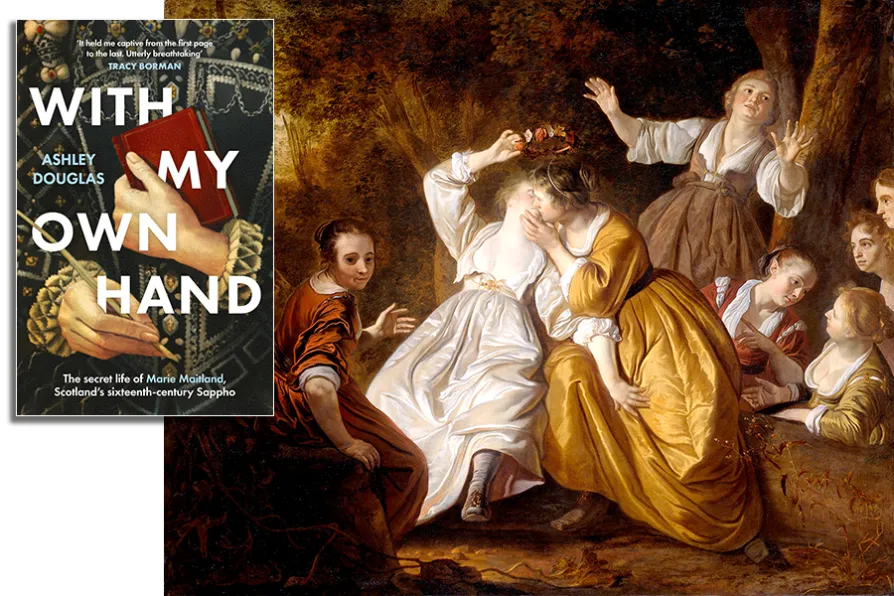
DIANE WATT argues that while evidence of sex is not there, a 16th‑century lesbian poet could be Scotland’s answer to Gentleman Jack
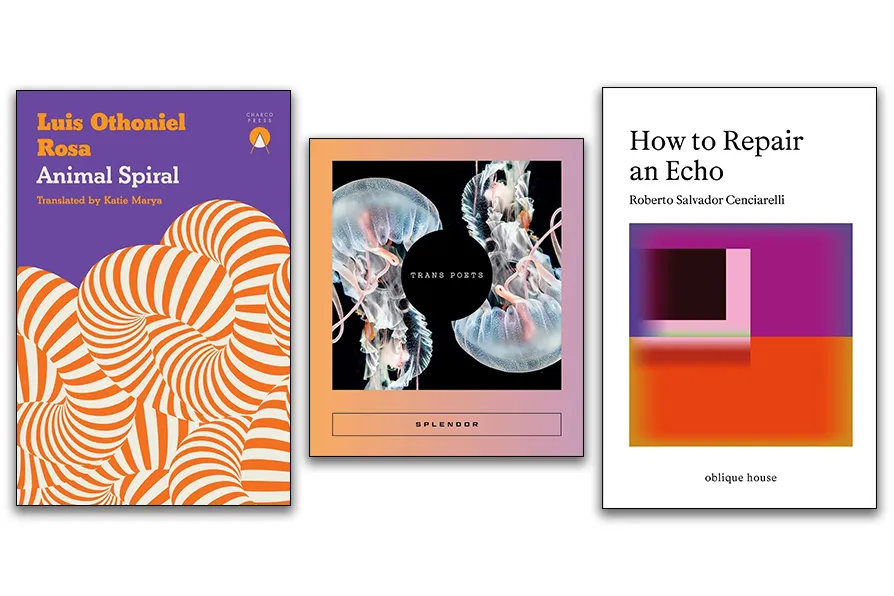
From post-human revolution in Puerto Rico to trans poetics and queer mythmaking, these three books that imagine new ways of being together
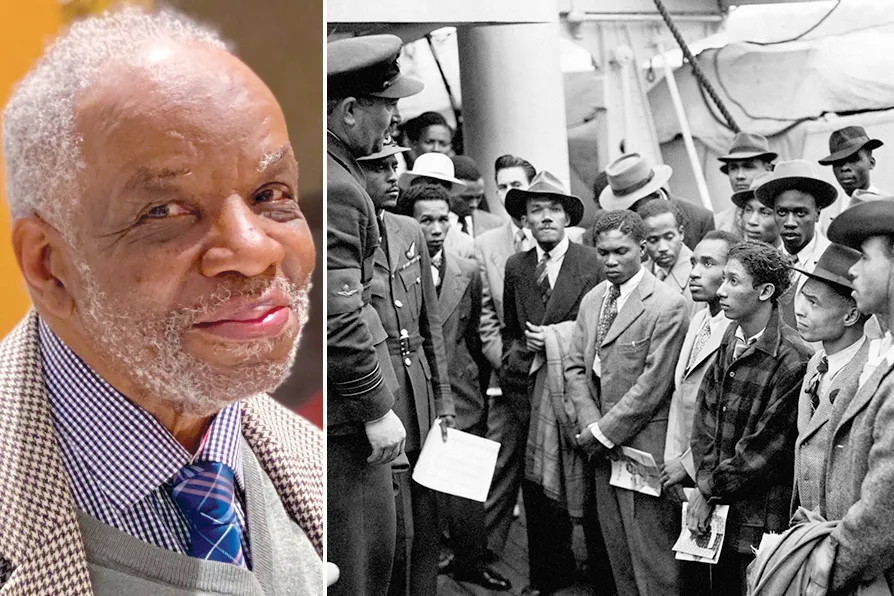
1943-2025: How one man’s unfinished work reveals the lethal lie of ‘colour-blind’ medicine
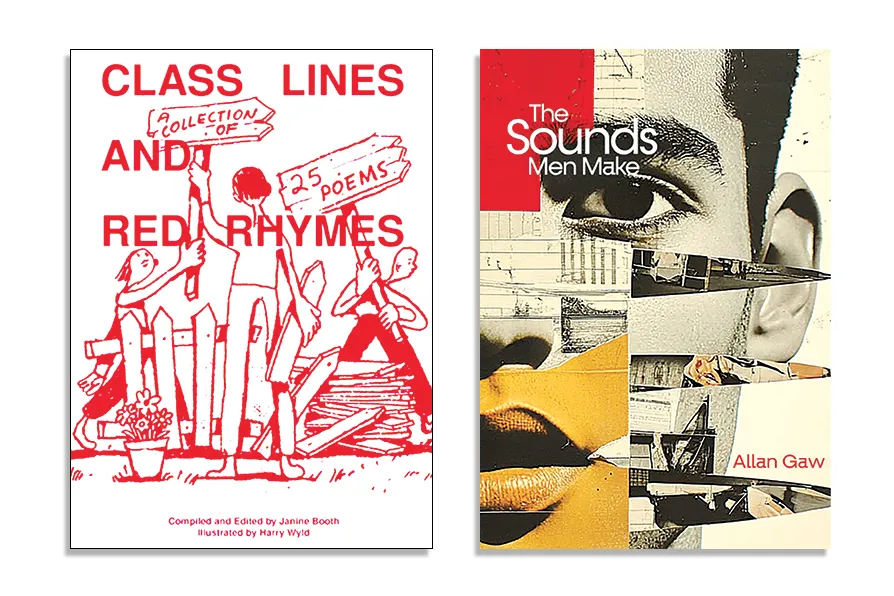
RUTH AYLETT reviews two collections of outright political poetry