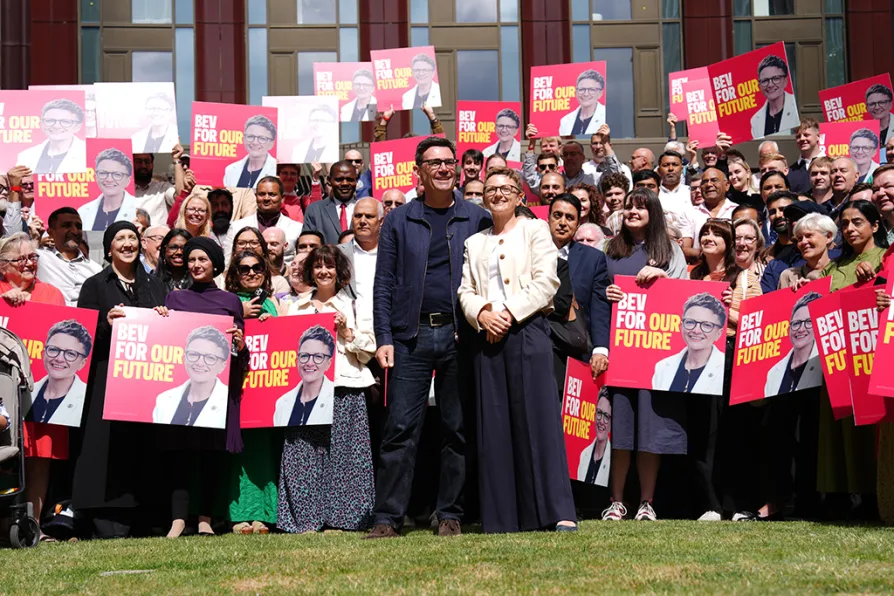
Councillor SAM WHEELER says there’s a tangible shift in mood on the left in the city whose mayor has recently become PM — but there’s no room for complacency



From self to non-self
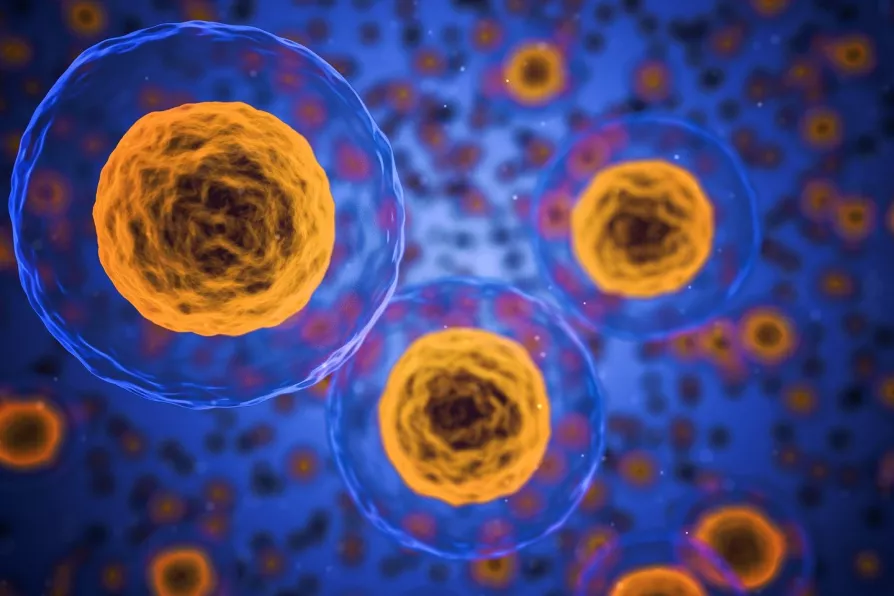
ROX MIDDLETON, LIAM SHAW and JOEL HELLEWELL explain how stem-cell transplants provide new immune systems for those who need them

Communist Party leaders Alex Gordon and Lorraine Douglas deliver vital medicines in trip to besieged socialist island
TUC Cymru is playing a leading role in tackling far-right ideas in the workplace, says LAURA DOEL
A New Delhi press conference in which Sheikh Hasina and her son implied the new order in Bangladesh is a security threat to India has sparked fears she is planning a comeback. SIAM SAROWER JAMIL reports on the fallout
Two months of student unrest have forced out India’s education minister and rattled the BJP regime. Could this be the beginning of the end for Modi, asks Communist Party of India (Marxist) general secretary MA BABY
MAT COWARD says the heatwave is a testing time for gardeners — but he has some tips





IN THE coming weeks and months, the National Health Service will be tested to its limits, striving to save as many patients as possible who are seriously ill due to the coronavirus.
The surges in intensive-care patient numbers will cause major disruption to the routine work of the NHS, which includes crucial life-saving procedures.
One such procedure that has been particularly affected by international travel disruption has been stem-cell donation, for the treatment of conditions such as blood cancer.
Once the donation has been made, the stem cells need to be transplanted into the recipient within 72 hours.
Our immune system uses special structures on the surfaces of cells called antigens to recognise cells that belong to our own body (“self”).

Similar stories
![Meat [Pic: Cindie Hansen / Creative Commons]](https://msd11.gn.apc.org/sites/default/files/styles/desktop/public/2026-07/cindie-hansen-8IQlsHB2OS8-unsplash.jpg.webp?itok=AgeMqKnO)
Innovation in biotechnology is changing how we conceive of meat, say ROX MIDDLETON, LIAM SHAW and MIRIAM GAUNTLETT of SCIENCE AND SOCIETY
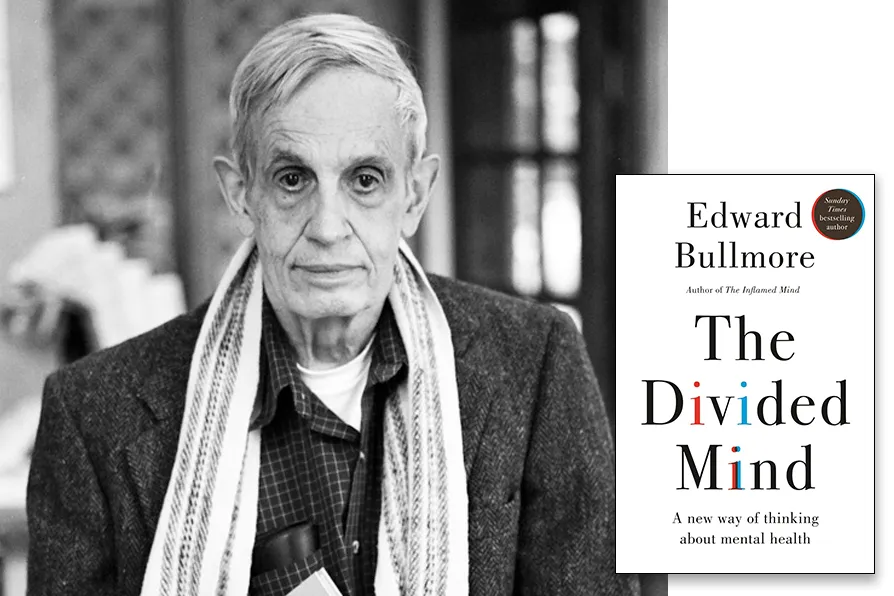
RICHARD SHILLCOCK examines an enjoyable, but philosophically conventional book, and urges Marxists to employ their capacity to embrace the totality in any explanation
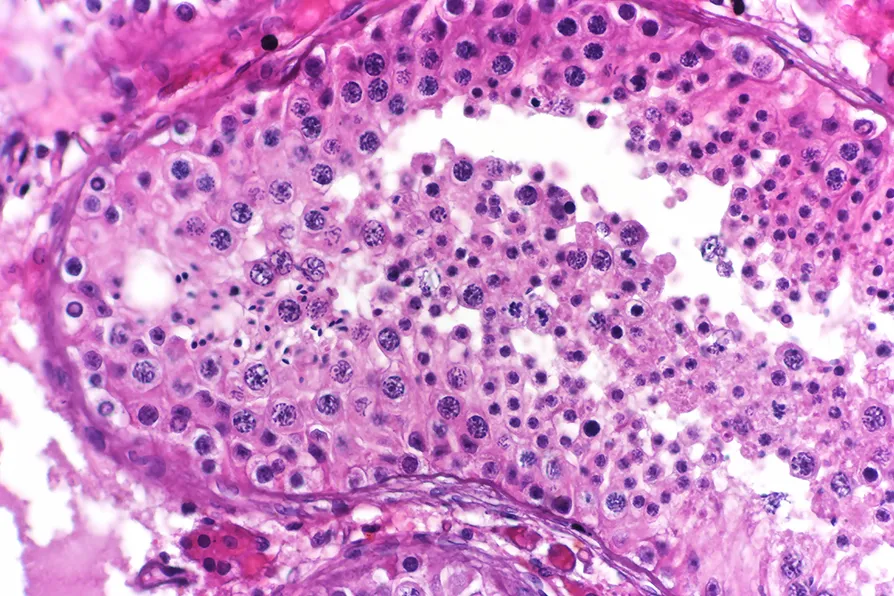
New research into mutations in sperm helps us better understand why they occur, while debunking a few myths in the process, write ROX MIDDLETON, LIAM SHAW and MIRIAM GAUNTLETT