

 Latest editorial

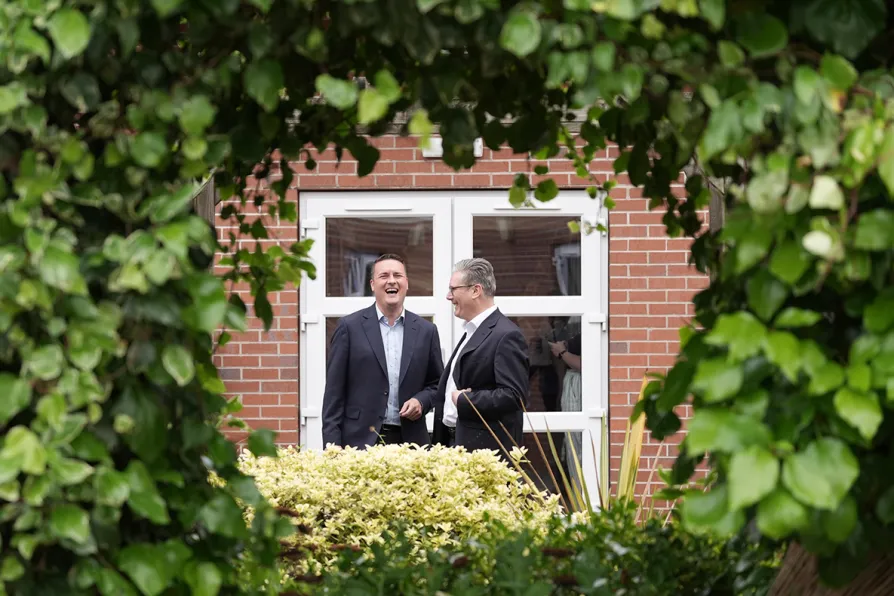 Labour leader Sir Keir Starmer and shadow health secretary Wes Streeting talk together during a visit to Long Lane Surgery in, Coalville, a GP practice in the East Midlands, June 26, 2024





IT IS unsurprising that the collective share of the vote for the two parties which between them have governed Britain for a century is likely to fall to a record low next week.
For the first time since the second world war, the aggregated share of the Tories and Labour may fall to below 60 per cent. Certainly it will be at a level that constitutes a standing rebuke to the two parties, and to their general unity of policy, a fact which has drained the general election of much of its consequence.
In the 1950s the two parties between them were normally good for 95 per cent or more of the vote. The Liberal revival from 1974 onwards ate into that, as did the rise of Ukip and nationalist parties in Scotland and Wales more recently.


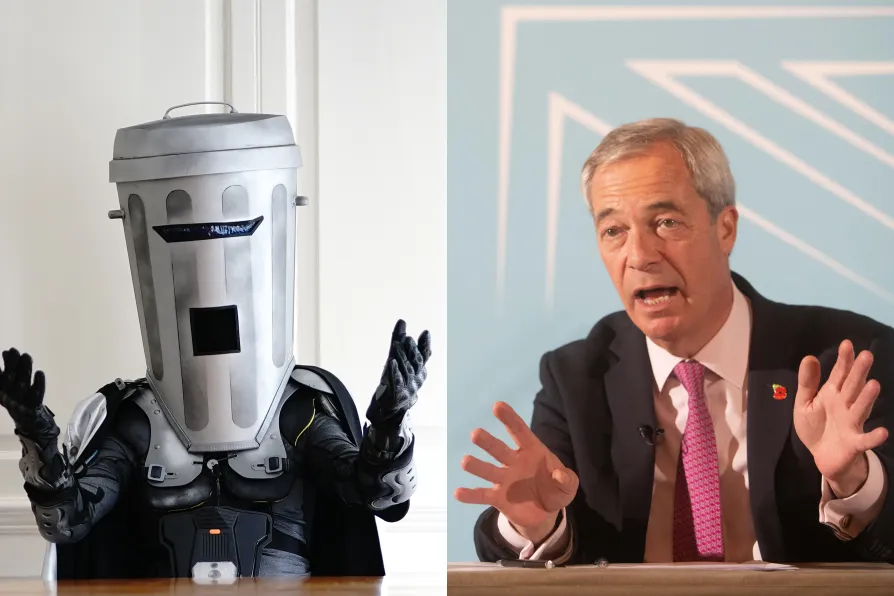
Treating the Clacton by-election as a joke risks reinforcing the Reform leader’s claim to be the victim of an out-of-touch Establishment, argues JOHN McINALLY
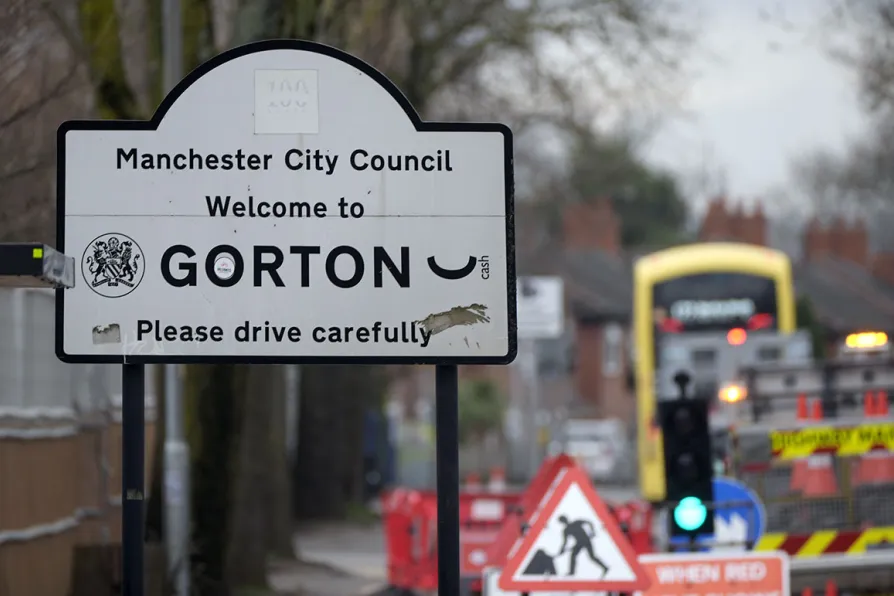
By-election poll puts Starmer's future on a knife-edge
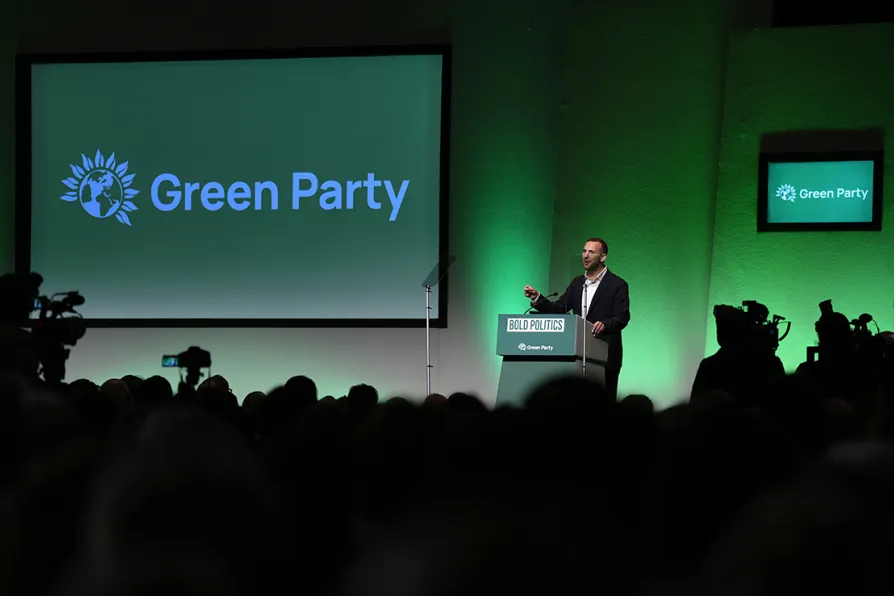
Now at 115,000 members and in some polls level with Labour in terms of public support, CHRIS JARVIS looks at the factors behind the rapid rise of the Greens, internal and external