MARIA DUARTE recommends a remarkable study of the friendship between a Palestinian and a Pakistani, broken by a hostile state


 Latest editorial

The weakness of the radical right
GAVIN O’TOOLE welcomes an analysis of the radical right in Latin America as polarising ‘influencers’ who ignore material values
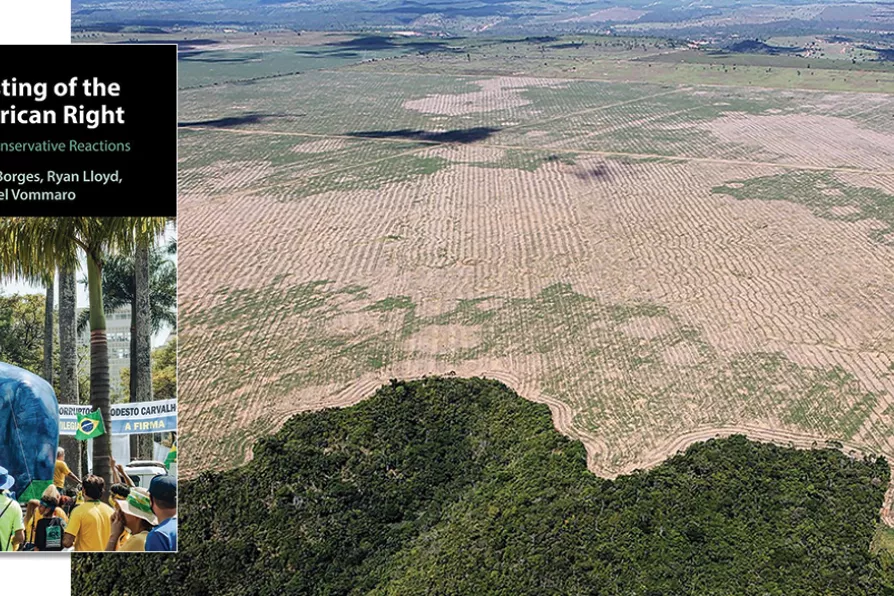 THE BOLSONARO EFFECT: Illegal logging at the Gurupi Biological Reserve and the Caru and Alto Turiacu indigenous lands in Maranhao province in northeastern Brazil
[Ibama/CC]
THE BOLSONARO EFFECT: Illegal logging at the Gurupi Biological Reserve and the Caru and Alto Turiacu indigenous lands in Maranhao province in northeastern Brazil
[Ibama/CC]
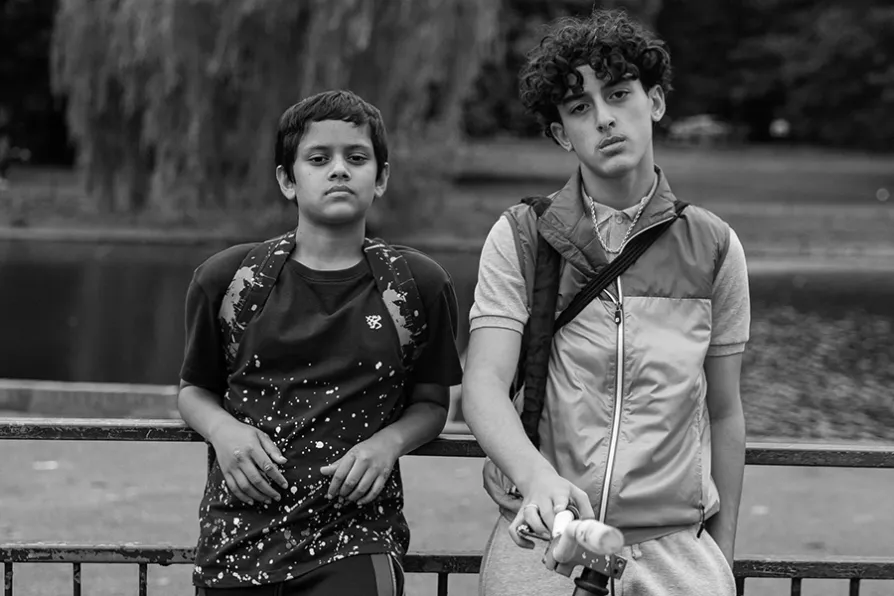
MATTHEW HAWKINS rakes through un-fancy words and flair-free summaries to find who and what might be flamboyant
PETER MASON is exhilarated by an exciting, well-considered and historically minded tribute to the great Trinidadian instrument
Reducing historical lives to ‘male’ and ‘female’ roles, we lose the nuance of those lives and a clearer understanding of past societies, suggests CLAIRE ISABELLA GILMOUR
CHRIS SEARLE relishes the genius of pianist Alexander Hawkins, his many ensembles, and his new album





The Recasting of the Latin American Right: Polarisation and Conservative Reactions
Edited by Andre Borges, Ryan Lloyd, and Gabriel Vommaro, Cambridge University Press, £29.99
THE hidden backdrop to the rise of the far right in Europe has been the “silent revolution” of post-materialism identified in the late 1970s by Ronald Inglehart.
The embrace by a materially comfortable new generation of values reflecting non-material goals — from gender diversity to radical decolonial and racial theories — goes a long way towards explaining the positions staked out by the left in today’s culture wars.
The long-term secular trend suggests that those positions, however, are destined to fail, because not only has the mainstream left largely abandoned class as the organising principle of mobilisation, it is also losing the ephemeral cultural battles it has chosen to fight in its stead.
Latin America may still have a chance to avoid this historic error, even if all the signs suggest that the radical right in the region, witnessing their own left-wing adversaries repeat the mistakes of their European counterparts, has smelled blood.

Similar stories
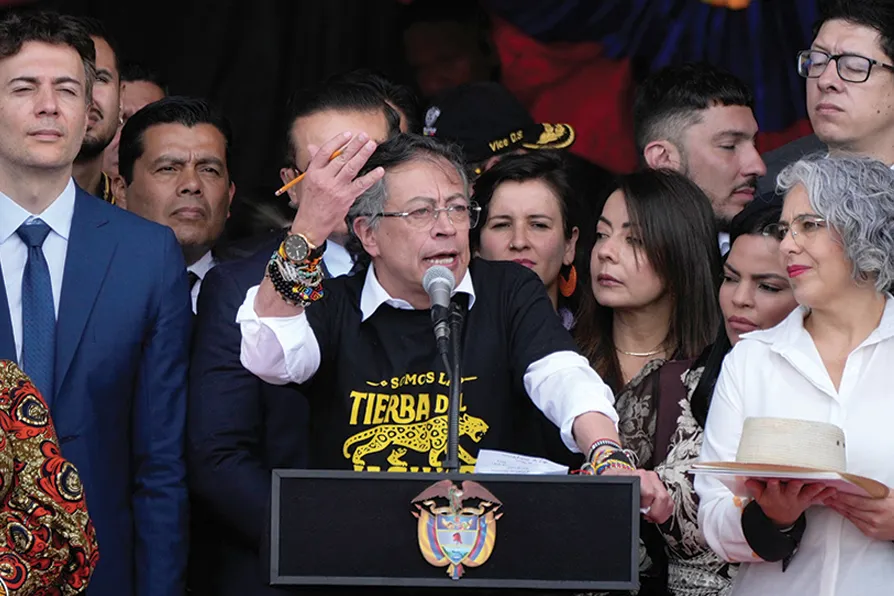
Latin America is being swept by a series of right-wing electoral victories. But behind that shift to the right lies less of an ideological conversion than anger, fear, insecurity, and a deep crisis of democracy, asserts MARC VANDEPITTE

Socialists, feminists and trade unionists gathered in Manchester to launch a network committed to evidence-based activism with a renewed emphasis on class and collective struggle. ANNA BARRETT reports
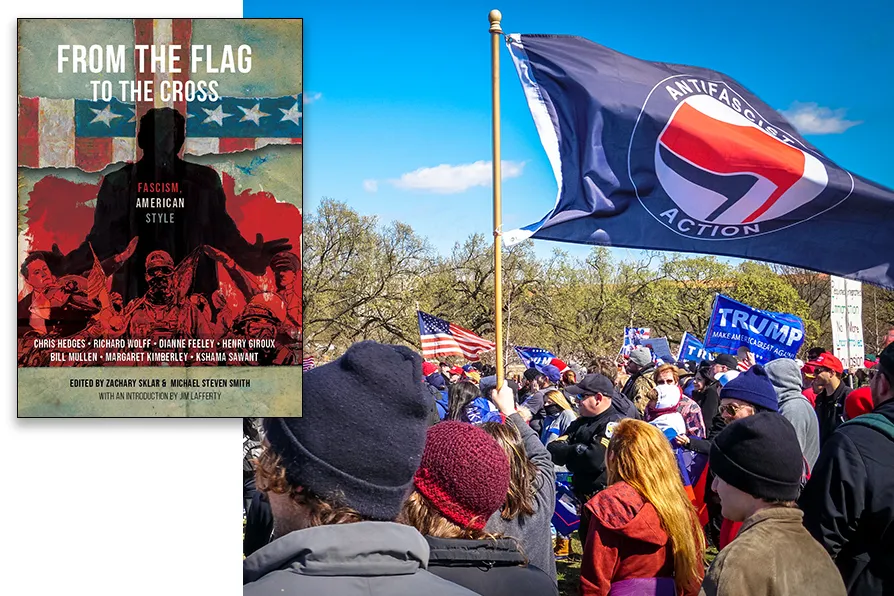
PAUL BUHLE recommends an eminently useful book that examines the political opportunities for popular anti-fascist intervention
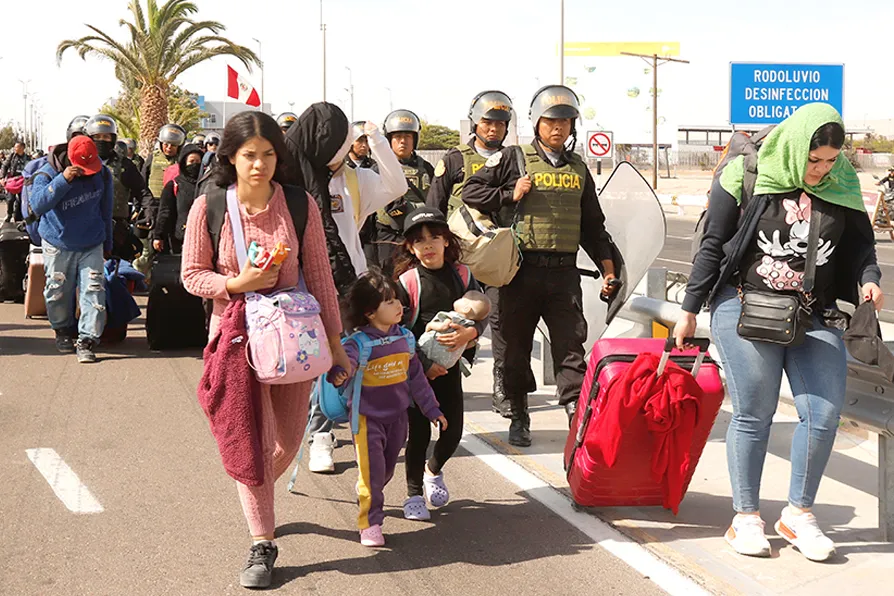
Far-right forces are rising across Latin America and the Caribbean, armed with a common agenda of anti-communism, the culture war, and neoliberal economics, writes VIJAY PRASHAD