Latest editorial






ALMOST nine in 10 adults in Britain believe health misinformation is putting lives at risk, though many underestimate their own vulnerability to it, new research has found.
A poll of 2,401 people by Ipsos for the Academy of Medical Sciences found 69 per cent find it hard to spot misleading health information generally.
But only 28 per cent say they personally struggle with it. Almost one in five had been personally affected by misinformation, rising to 27 per cent among people from ethnic minorities and 22 per cent in the most deprived areas.
Just 66 per cent of people in deprived areas said they know where to find trustworthy health information compared with 78 per cent in wealthier areas.
Vaccines, diet and nutrition, cancer treatment and supplements were identified as the areas most affected by misinformation.
Health charities coalition National Voices chief Jacob Lant said: “While most people recognise health misinformation as a serious issue, many don’t believe they are personally at risk.
“Yet the research shows those most likely to be affected are often people already facing health inequalities. Everyone deserves access to trusted, evidence-based health information.”
Academy president Professor Sir Andrew Morris said: “A message is far more likely to land when it comes from a source and a community people already trust, regardless of how strong the underlying evidence is.”

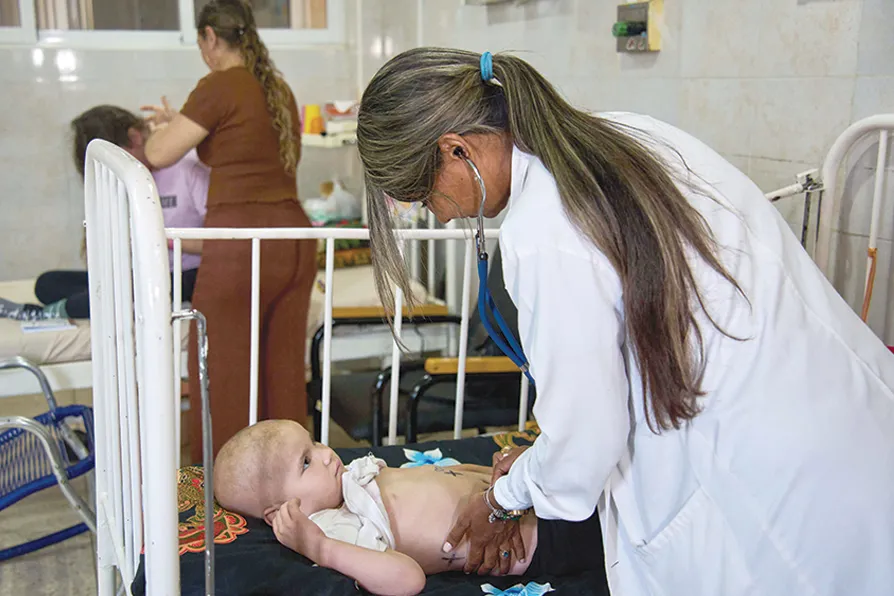
Once a source of national pride, Cuba’s healthcare system declines as energy shortages deepen crisis, writes ANDREA RODRIGUEZ
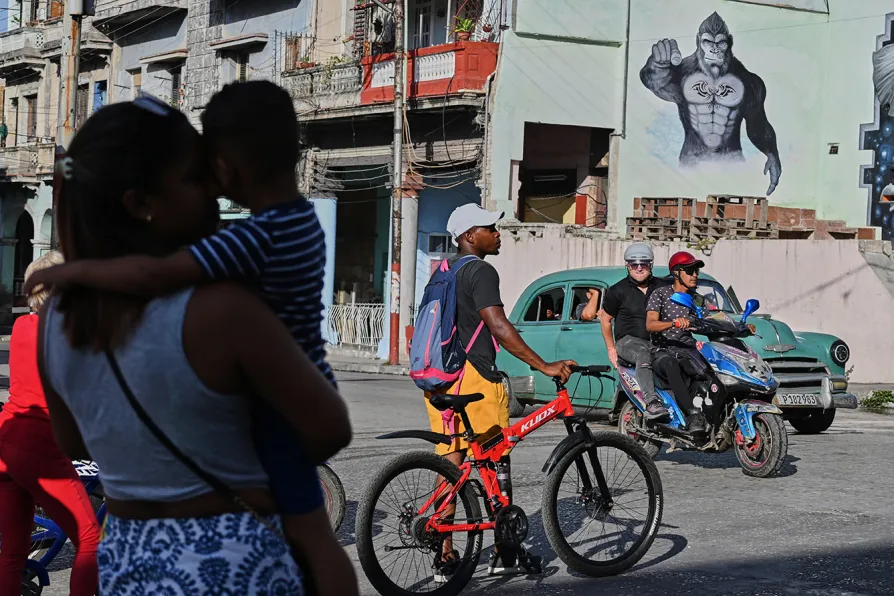
The real ‘humanitarian threat’ isn’t Cuba but the United States, where poverty, lack of healthcare and illiteracy abound, writes LINDA PENTZ GUNTER