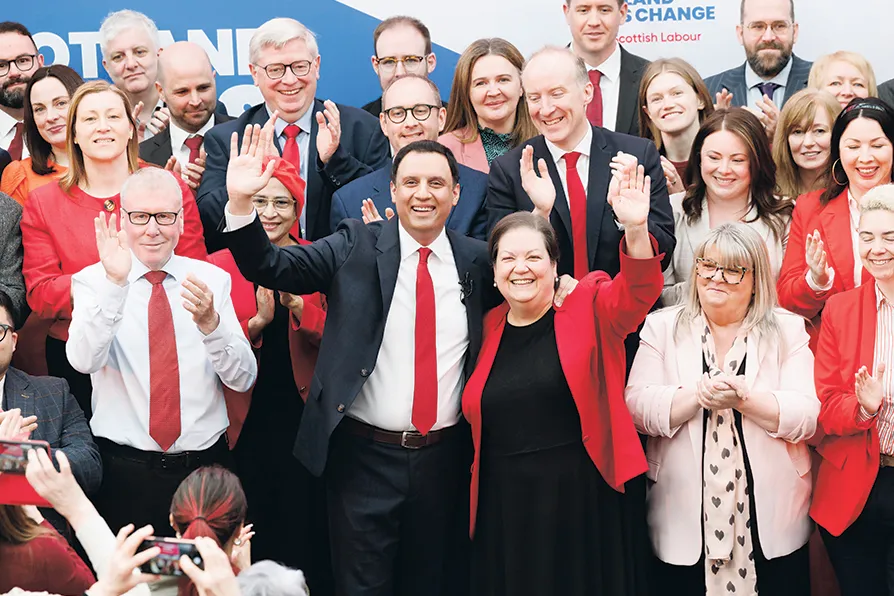
While riding the No 3 bus in Glasgow MATT KERR has ample time to dissect the moribund Scottish Labour decline into near oblivion and watch intriguing bus passenger dynamics


Worsening chaos: Israel’s political instability is now the norm
It is no surprise that as Israeli politics is increasingly dominated by right-wing bigotry that governments are holding together for less and less time — and this turmoil is a fitting reflection of widely-held extremist beliefs, writes RAMZY BAROUD

 Israeli caretaker Prime Minister Yair Lapid, right, sits next to former Prime MInister Naftali Bennett as he chairs the first cabinet meeting days after lawmakers dissolved parliament, in Jerusalem, Sunday, July 3, 2022.
The best wildfire service may begin with the community, argues KOMAL RAJ ARYAL
Dignity is important to all humans, argues the Marx Memorial Library and Workers’ School, but it does not come about automatically. In a less than perfect world, dignity can accompany suffering, but the collective dignity of working people is achieved through acting together to change the world.
The US aim to reshape the existing order in the Middle East needs to be resolutely resisted, argues PAYAM SOLHTALAB
Concessions to Washington by the post-Maduro leadership in Caracas are designed to preserve the core of the Bolivarian Revolution not betray it, argue Roger D Harris, Francisco Dominguez and Mara Paez Victor. How the solidarity movement responds is critical
ALMA EGAN suggests four days out that bring the region’s history of protest to life





THE collapse of the short-lived Israeli government of Naftali Bennett and Yair Lapid validates the argument that the political crisis in Israel was not entirely instigated and sustained by former Israeli prime minister Benjamin Netanyahu.
Bennett’s coalition government consisted of eight parties, welding together arguably one of the oddest coalitions in the tumultuous history of Israeli politics. The mishmash cabinet included far-right and right groups like Yamina, Yisrael Beiteinu and New Hope, along with centrist Yesh Atid and Blue and White, leftist Meretz and even an Arab party, the United Arab List (Ra’am). The coalition also had representatives from the Labour Party, once the dominant Israeli political camp, now almost completely irrelevant.
When the coalition was formed in June 2021, Bennett was celebrated as some kind of a political messiah, who was ready to deliver Israel from the grip of the obstinate, self-serving and corrupt Netanyahu.

Similar stories
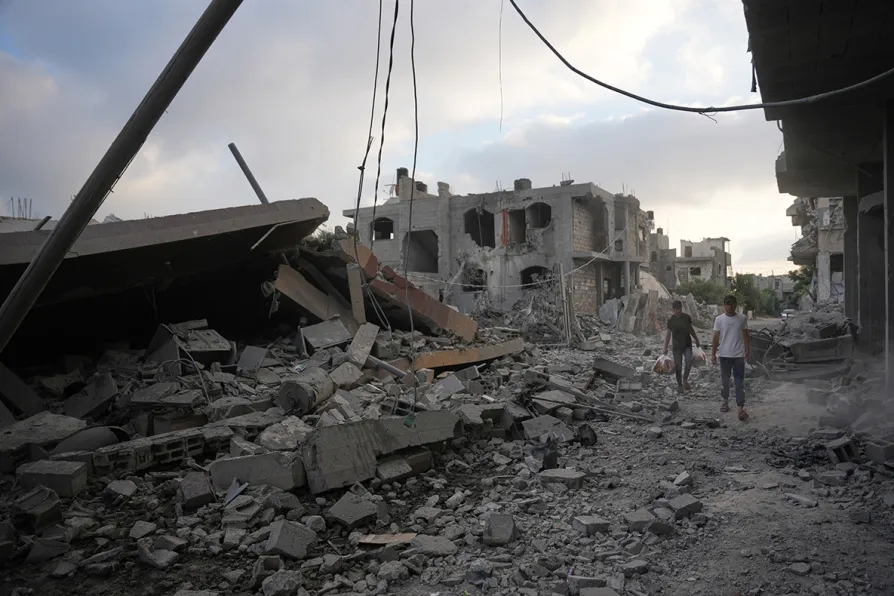
While international actors discuss governance and reconstruction, Netanyahu has made it clear that Israel has no intention of ending its military occupation, says RAMZY BAROUD

While international attention focuses on ceasefire frameworks, Israel is openly advancing plans for a permanent expansion of its control over Gaza, writes RAMZY BAROUD