

 Latest editorial

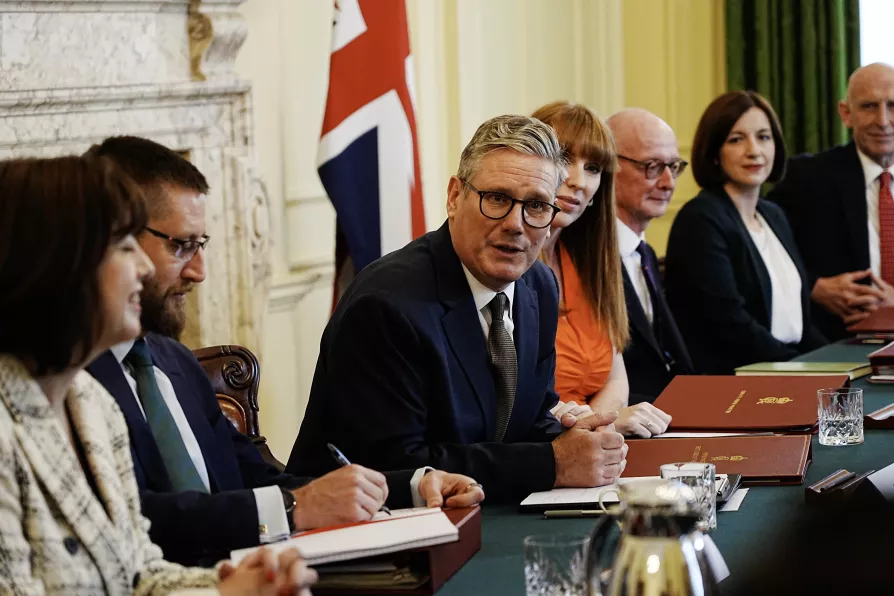 (left-right) Leader of the House of Commons, Lucy Powell, Cabinet Secretary Simon Case, Prime Minister Keir Starmer, Deputy Prime Minister Angela Rayner, Chancellor of the Duchy of Lancaster Pat McFadden, Education Secretary Bridget Phillipson and Defence Secretary John Healey during the first Cabinet meeting at 10 Downing Street, London, following the landslide General Election victory for the Labour Party, July 6, 2024

Waiting for the grander vision to emerge





WE ARE a week away from the recall of Parliament. Labour in government is in the odd position of facing an official opposition that is more concerned with its internal opposition than it is capable of mounting a credible critique of a government that, so far, is mainly criticised from the left.
Keir Starmer and Rachel Reeves courted this criticism not without a significant element of calculation.
Hyping up the so-called “black hole” in the nation’s finances was a pre-emptive strike against the expectations raised throughout the working class and wider — and distilled in the labour movement itself — that a new approach to pay, the cost of living and public services, was possible.
The decisions to ramp up war spending and not to lift the cap on child benefits were calibrated to reinforce Starmer’s message that things will not get better any time soon and that working people need to understand this and moderate their expectations accordingly.
Those in Labour and the trade union movement who think this was an error and simply overdid the messaging should think again. Starmer and his consiglieri are not in a popularity contest but are quite focused on stabilising Britain’s peculiar economy without disturbing the balance of power and wealth.
In fact wealth and power are decidedly unbalanced. In most of Britain real-terms wages remain below the 2008 level.
The average worker would be £200 a week better off if real wages had maintained the pre-2008 crisis growth level.
It is worth recalling that the 2008 financial collapse was the working out of capitalism’s tendency towards crisis that arises precisely in the drive to profit, interest and rents at the expense of wages.
The trigger was the instability of the US subprime mortgage market but the problems arising from a financialised capitalist economy were general while Britain, with the interpenetration of US and British capital, was particularly vulnerable.
Britain’s “special relationship with the United States” carries a high price but much of this crisis was made in Britain.
When the TUC says that that the longest pay squeeze in the modern era is a “damning indictment” of the Tories’ economic record it is spot on.
But one concept must be made clear when Starmer addresses the TUC next month.
If wages do not rise significantly as a proportion of the national income — and it can only do this at the expense of profits — then Labour will swiftly become as unpopular as the Tories.
There is little point in a Labour Party that doesn’t change the balance of power and wealth.
It is not as if Labour is very popular anyway. Labour’s performance in the 2024 general election when it gained just a quarter of the available votes and scored three million less that were attracted by Corbyn Labour’s manifesto is a measure of just how much the electorate senses this.
The measure of capitalism’s systemic and permanent crisis — and the measure of Britain’s particular crisis within a global capitalist conundrum — is that the average worker in Britain would be £10,400 a year better off if real wages had grown at their pre-crisis rate.
Starmer says he wants to “get a grip” on our country’s problems and “reverse a decade of decline.”
Unless this entails a quick and enduring reversal of the collapse in working-class purchasing power, a dramatic improvement in public services, the NHS and other elements in the “social wage,” including pensions and benefits, then Labour’s chances of a second term will decline.
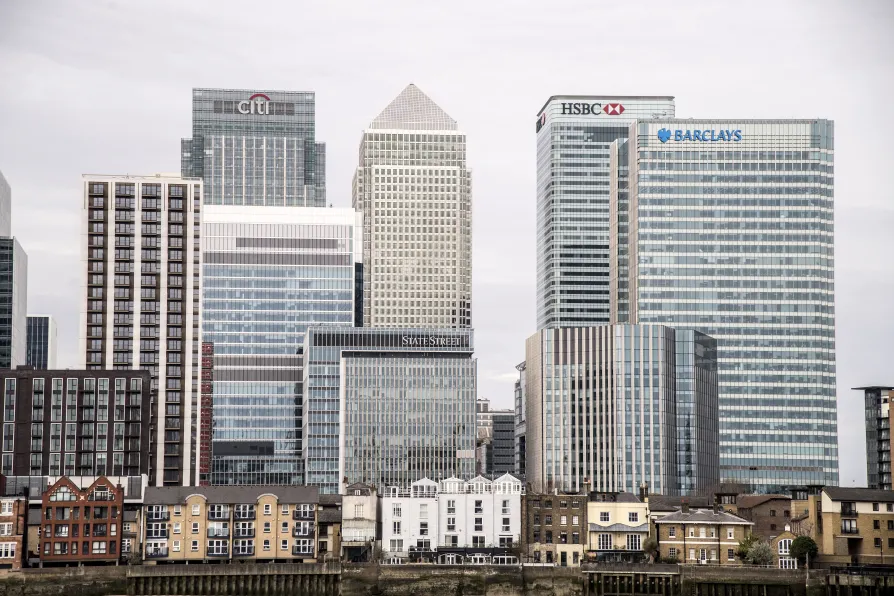
Labour needs to get a grip on bank and corporate profits and put a stop to ruinous and risky arms spending work for a productive and green economy.

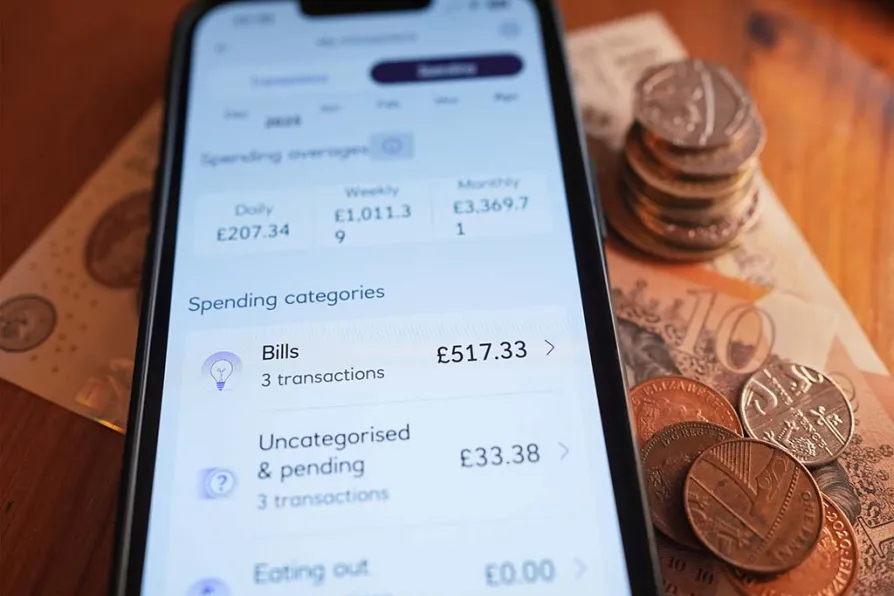
Trade unions call for windfall tax hike to fund social energy tariff to public’s energy bills
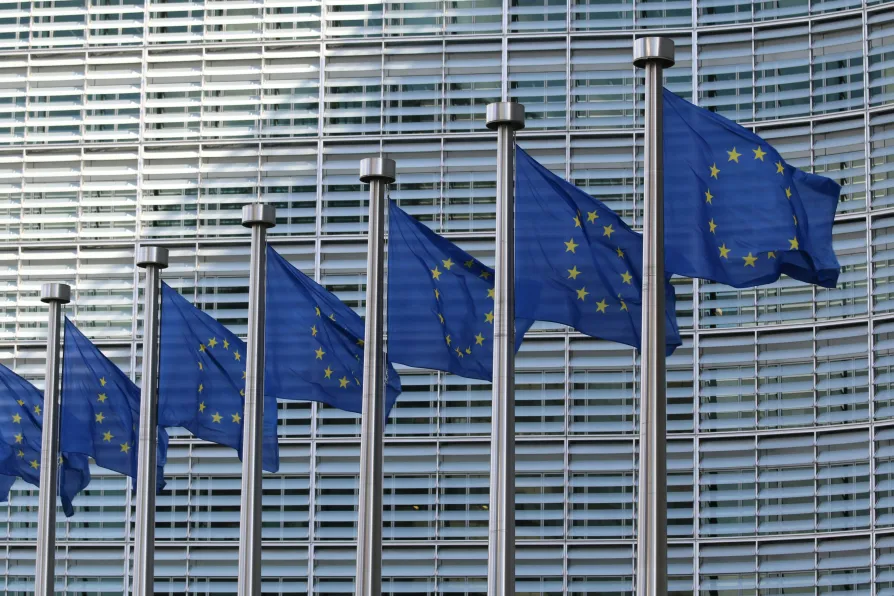
Starmer sabotaged Labour with his second referendum campaign, mobilising a liberal backlash that sincerely felt progressive ideals were at stake — but the EU was then and is now an entity Britain should have nothing to do with, explains NICK WRIGHT