
The UK Prime Minister may have the regal touch in northern England, but he’s been wrong-footed on the constitutional challenges posed by the Celtic Alliance of first ministers from Scotland, Wales and Northern Ireland, argues KENNY MacASKILL

What’s the future with AI?
The increased efficiency of any aspect of capitalism will not automatically lead to its collapse and transformation — avoiding the dangers and realising the potential of AI will involve struggle, argues the MARX MEMORIAL LIBRARY



NEIRLAY ANDRADE, a member of the Communist Party of Venezuela’s political committee, outlines her party’s position on the crisis facing the country
A look at Taylor Wimpey’s accounts shows why Labour’s market-led housing strategy won’t deliver more, cheaper homes, as promised, says SOLOMON HUGHES
DAVID HORSLEY remembers the remarkable life and death of US black revolutionary George Jackson, whose politically passionate prison letters were published as Soledad Brother
Cuban trade union federation CTC leader OSNAY MIGUEL COLINA speaks to Ben Chacko about life and work under a crippling US siege
A part of the British empire’s network of slavery, today the Caribbean island of Nevis faces a new form of exploitation in the form of crypto-colonialism, CLAUDIA WEBBE writes
Challenges from the unscrupulous misuse of AI to steal actors’ voice and physical likenesses is being met with a firm union response, writes LYNDA ROOKE





PART ONE of this answer emphasised that information technologies, from “good old-fashioned artificial intelligence” of the 1960s and ’70s to robotics and machine learning today, greatly magnify the contradictions of capitalism.
They raise a host of questions: whether development should focus on medical diagnostics or personal surveillance; whether “we” need driverless cars and “just walk out” shopping and if so, whether they should be limited to those who can afford them or “owned” collectively; — and in either case, under whose control and scrutiny.
At a deeper level, it raises fundamental issues about the structural changes within global capitalism, the use of technologies for social control, repression — and war — and the required left and labour movement response.

Similar stories
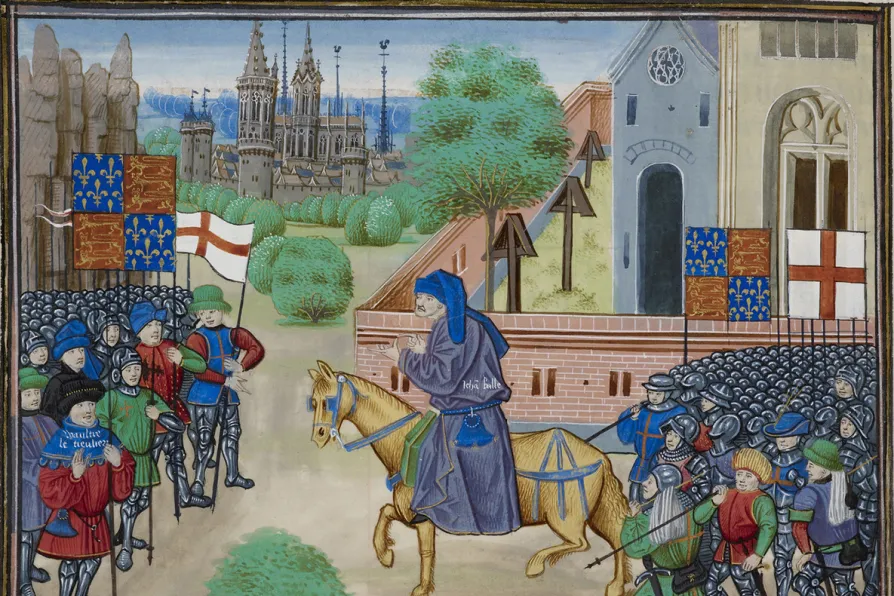
Class struggle is the motor of history but the direction and detail of change at any time and place is the outcome of many factors, suggests the Marx Memorial Library and Workers’ School
Dignity is important to all humans, argues the Marx Memorial Library and Workers’ School, but it does not come about automatically. In a less than perfect world, dignity can accompany suffering, but the collective dignity of working people is achieved through acting together to change the world.

Elon Musk says AI will make work optional. The world of abundance he predicts actually spells the end of the capitalist system, argues FAWZI IBRAHIM

Nature as well as society works dialectically, asserts the Marx Memorial Library and Workers’ School