Preferable to Starmer he may be, but there is scant sign of a sharp political break in Burnham’s policies so far — while left challenges aren’t making much of a running either, finds ANDREW MURRAY. How can socialism be put back on the map?


 Latest editorial

We've seen the government's post-Covid strategy. It's not good for the working class
Some may be impressed with the tax increases and large figures pledged in the Chancellor's budget — but even a cursory look shows that it does little to abolish poverty for our heroic front-line workers and lots to transfer the cost of the pandemic onto the working class, writes ROBERT GRIFFITHS

CHARLEY ALLAN reports from Clacton on Farage’s fears his by-election stunt has backfired
JEREMY CORBYN says we should never forget the horrific reality of nuclear weapons, or cease our efforts to rid the planet of them entirely
The new TUC Cymru general secretary speaks to Morning Star Wales reporter David Nicholson about her trade union background and ambitions for the movement
Internationalism is deeply embedded in socialist theory and practice. Examination illuminates its complexity asserts the Marx Memorial Library and Workers’ School
The Claudia Sheinbaum government is no pushover and is holding firm despite US abuses of the relationship, says DAVID RABY
As we approach the grim anniversaries of Hiroshima and Nagasaki, SIMON BARROW sounds the alarm over the dangerous and murderous direction our government is heading





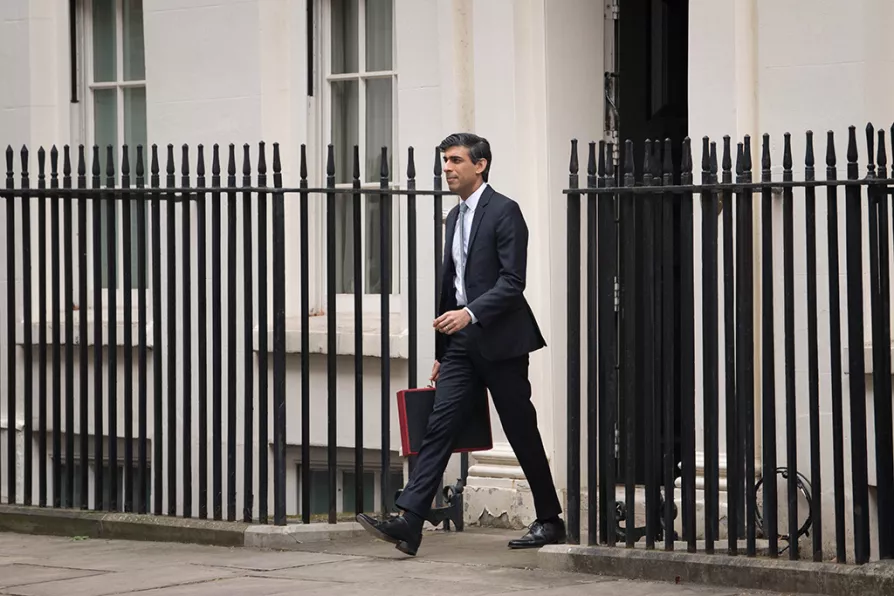
MATHEMATICALLY, it was impressive stuff. Chancellor Rishi Sunak stood at the House of Commons dispatch box and reeled off a series of bountiful spending statistics.
For this year and next, he pledged an extra £65bn support for the economy in the face of the coronavirus crisis. The furlough job subsidy scheme will be extended until the end of September (£7bn) along with aid for the self-employed (£11bn net); reducing VAT will save the hospitality and leisure sectors almost £5bn; and businesses will benefit from higher capital investment allowances (£25bn), a rates freeze (£7bn) and many other grants and tax breaks.
Extending the £20 a week uplift in universal credit to the end of September will cost the Treasury just over £2bn and paying £500 to some working tax credit recipients about £765m.

Similar stories
A sharp rise in public-sector investment is required to kick-start the economy, argues MICHAEL BURKE
Trade unions call for windfall tax hike to fund social energy tariff to public’s energy bills

Only an ambitious programme of state-led investment can restore growth and improve living standards, argues MICHAEL BURKE

Starmer sabotaged Labour with his second referendum campaign, mobilising a liberal backlash that sincerely felt progressive ideals were at stake — but the EU was then and is now an entity Britain should have nothing to do with, explains NICK WRIGHT